Theopolis Logo

Writing

Explore our collection of theological essays, biblical studies, and reflections on faith and culture.

See all
baptism
Baptism

Water, Spirit, and Fire, (Part 1)

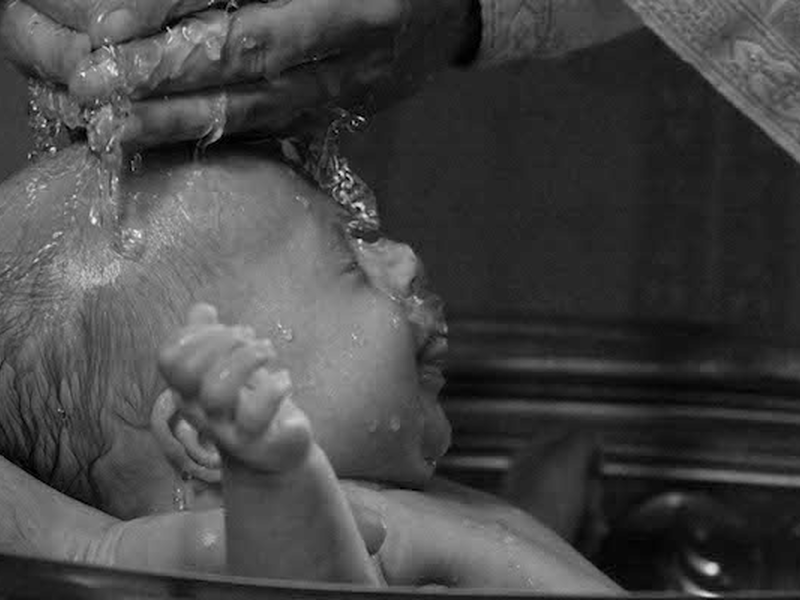
John the Baptist says, “I baptize you with water for repentance, but he who is coming after me . . . will baptize you with the Holy Spirit and fire (Mt. 3:11).” Much debate surrounds the nature of this statement and what exactly it prophesies. Sacramental, baptistic, and charismatic Christians…

by Adam McIntoshAugust 16, 2016
jesus-on-cross-rembrandt
Pastoral Ministry

Cruciform Pastoral Care

First Corinthians is not considered one of the Pastoral Epistles, but there is much to learn from Paul about pastoring a congregation by the way he writes to the Corinthians. Briefly, 1 Corinthians is an exposition of the cross and resurrection. In the first fourteen chapters, Paul gives an exposition…

by Bill SmithAugust 11, 2016
cross-2
Atonement

Bearing Sin

Fredrik Hagglund ( Isaiah 53 in the Light of Homecoming After Exile (Forschungen Zum Alten Testament) ) argues against the common notion that Isaiah 53 is about the atoning suffering of Yahweh’s Servant. The Servant’s suffering is vicarious (i.e., he suffers for the sins of others) but it is not…

by Peter LeithartAugust 9, 2016
screen-shot-2016-03-31-at-9-32-11-am
Biblical Theology

Brexit and the Binding of Satan: Part 2

With the inheritance of Canaan and the dividing up of this priestly territory among the tribes, Israel became a microcosm of the nations of the world. This division between Israel and the nations as a substitutionary “land and sea” would prevent another global rebellion, and thus another global judgment. ((For…

by Mike BullAugust 4, 2016
paul
Romans

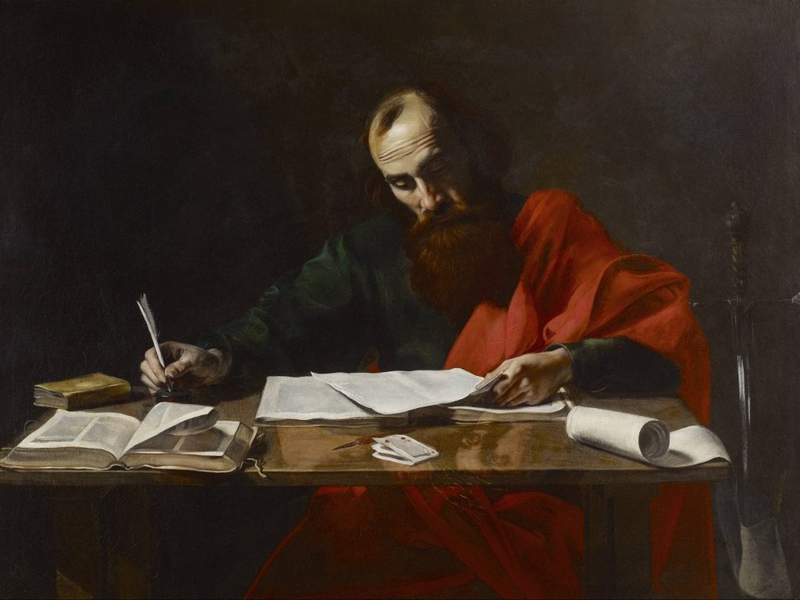
Paul and James on the Meaning of Genesis 15:6

One of the more revealing aspects of Paul and James’ soteriology is the different ways they both use Genesis 15:6 (“And Abraham believed God and it was counted for him as righteousness,”) as a proof text to defend their comments about the gospel. The key observation to make is that…

by Gerald HiestandAugust 2, 2016
img_1456
Biblical Theology

Brexit and the Binding of Satan: Part 1

The disintegration of the EU is not the end of the world. It is a sign that the end of the world is anything but nigh. Western culture as we know it is dying at the hands of usurpers, traitors and prodigals. Even the worst rulers throughout Christian history at…

by Mike BullJuly 28, 2016

Showing page 127 of 309

See all
See all
History

Smokin’ like a Christian

English fairs in earlier centuries displayed wares and displays from all over the world. At one there was an animal described as “a noble creature, which much resembled a Wild Hairy man” whose main skill was to doff his hat and show “his respects to the Company, and smoaks a…

October 14, 2006
Literature

The Moral of Henry V

Much of the moral and political import of Shakespeare’s Henry V is left to the audience’s or reader’s judgment. Is Henry a “pig” or is he the mirror of Christian kings? Is his invasion of France fair or foul? Shakespeare doesn’t show his hand, or not much; and one is…

October 14, 2006
Literature

The climax of Coriolanus

George Barnam notes the careful structure of Act 5 of Shakespeare’s Coriolanus: “Shakespeare had used this scene structurally to build the tension toward the climactic moment when Volumnia should appeal to her son and prevail. Three appeals are made to Marcius, and Shakespeare’s presentation of them matches in structure the…

October 14, 2006
History

Sports and the sacred

A reader wrote to respond to my suggestion that high culture is “sacred” and pop culture “profane,” citing the example of sports. Here’s my response: A football game often is a quasi-religious experience, but I’m not sure we use the same language to describe it. If someone slashed da Vinci’s…

October 14, 2006
Literature

Desacralized drama

In their “cultural history” of English drama, Simon Shepherd and Peter Womack summarize the argument of Glynne Wickham concerning the divorce of stage and sacred: “The English stage - so the argument runs - was predominantly a religious one until Elizabethan Protestantism forced a separation between theatre and the central…

October 14, 2006
History

Civil war and criticism

As Marsden describes it, the growth of neoclassical literary sensibilities developed in part in reaction to the chaos and disorder of the English civil war - following in this regard the development of late 17th century political theory. Orderliness, definiteness, clarity became virtues, while ambiguity, double entendres, and inconclusiveness became…

October 13, 2006

Showing page 1777 of 2212

Browse by Category

In Medias Res

Your weekly digest for all things Theopolis.

Donate

Theopolis is nearly 100% donor-supported. Consider joining us on our mission.