Theopolis Logo

Writing

Explore our collection of theological essays, biblical studies, and reflections on faith and culture.

See all
paul-rembrandt
Apostle Paul

Paul Among the People

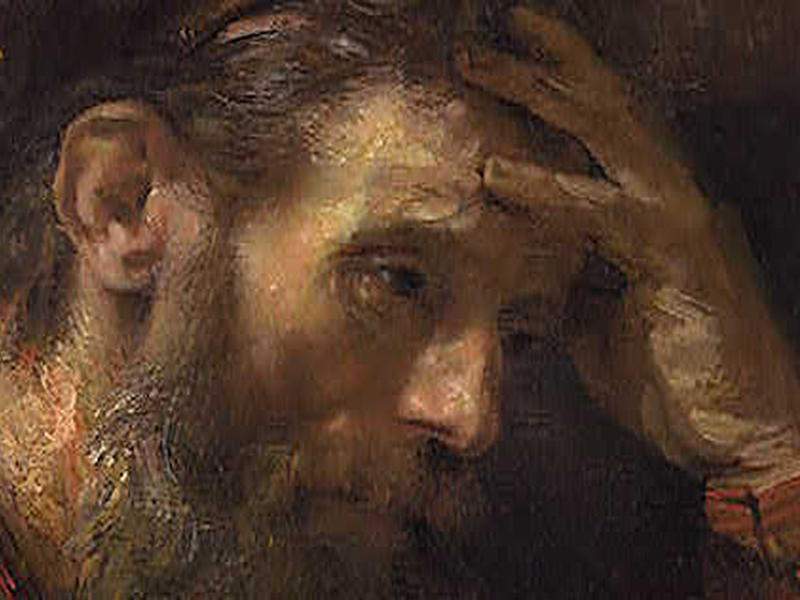
We've all heard it, too often to count. The Apostle Paul was a misgynistic homophobic pro-slavery authoritarian, probably a repressed homosexual himself, the first Puritan - Puritan here defined as "someone who cannot sleep if someone in the world is having fun." To call this a caricature is too generous.…

by Peter LeithartAugust 28, 2018
img_1043
How to Worship

Psalms for Exile: The Narrative Progression in the Fifth Book of the Psalter

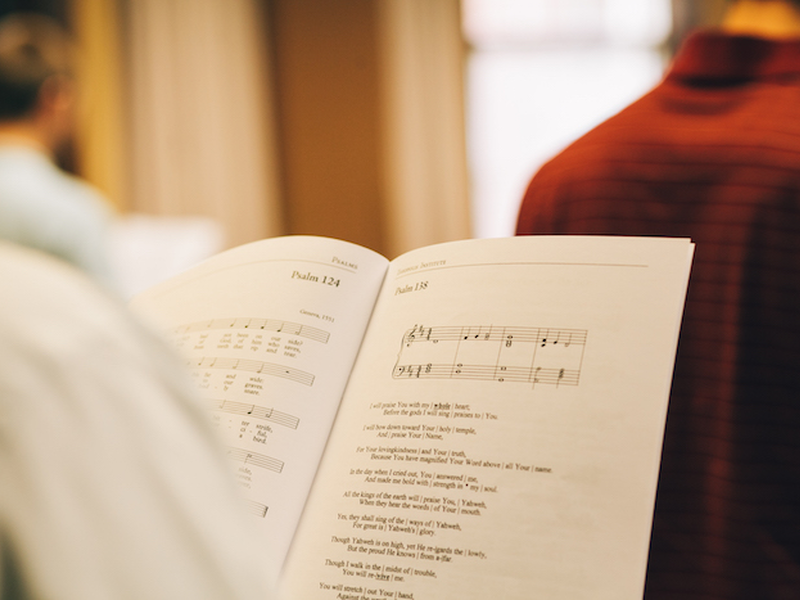
Some of our forefathers believed in reading/singing the psalms in order. Today, when the psalms are even used at all, they tend to be used randomly, though sometimes tied to a church calendar or to the pastor’s sermon. The Bible does not bind us to any particular practice, but there…

by James B. JordanAugust 23, 2018
screen-shot-2018-08-21-at-7-30-52-am
1 Corinthians

The Rock That Followed Them

". . . and all drank the same spiritual drink, for they were drinking from a spiritual rock that followed them; and the rock was Christ" (1 Corinthians 10:4). Paul’s passing comment about the rock that followed the Israelites in the wilderness has often been treated as a bit of…

by Peter LeithartAugust 21, 2018
sixteen-miles-out-al48tflf4e8-unsplash
Biblical Theology

Hezekiah’s Sign

The story of Hezekiah’s illness and recovery is familiar to every child who has attended Sunday School. Informed that he would die, faithful King Hezekiah pleaded in tears for a longer life. God heard his prayers and saw his tears, and promised fifteen more years. As a sign that He…

by Peter LeithartAugust 16, 2018
sunshine
Movies

The Last Man: Herod and Jesus in “Sunshine”

When viewed as an allegory of biblical history, the controversial third act of Danny Boyle’s gripping sci-fi adventure is transformed from an illogical divergence into a blinding revelation. The following analysis contains spoilers for the movie “Sunshine.” The Creation Week is the elementary type that orders everything God has said…

by Mike BullAugust 14, 2018
resveralife-night-blooming-cereus-1014x487
Epistemology

Seeking Integration in a Fragmented World: Integration…and Things

In my last post , I told you the story of my current desire to understand philosopher D.C. Schindler’s metaphysical work. With this post, I start in to the venture. I begin by reflecting on what it is to be a thing. This matter always makes me laugh, and makes…

by Esther Lightcap MeekAugust 9, 2018

Showing page 89 of 309

See all
See all

Necessity of Incarnation

Would the Son have been incarnate if Adam had not sinned? 1 Corinthians 15:44-45 provides a prooftext for an affirmative answer. Verse 44 says that the “spiritual body” is implied by the existence of the “natural body.” Human beings were created in a natural state, but they were destined from…

August 12, 2006
Philosophy

Decentered Self of Modernity

Bishop Joseph Butler of Durham worried about the consequences of Locke’s empiricism: “That personality is not a permanent, but a transcient thing: that it lives and dies, begins and ends continually: that no one can any more remain one and the same person two moments together, than two successive moments…

August 12, 2006
History

Embedded mind

Modernity ignores the social, linguistic, and political context of thought, and the way interest shapes the mind; postmodernity foregrounds all this. Perhaps, but . . . . Descartes said that his travels demonstrates that “all those who hold notions strongly contrary to our own are not for that reason barbarians…

August 12, 2006
History

Self and World

For premoderns - ancients and medievals - there was a homology between the self and the world. Man was seen as microcosm, and, as Seigel puts it, they believed that “the world, like the self, is structured so as to fulfill intelligible moral ends.” The initial shift in early modernity,…

August 12, 2006
Philosophy

Birth of the Modern Self?

Seigel views with “considerable skepticism” the notion that Descartes constructed “a general theory of the human self and subject on the basis of the cogito .” In his treatise on the Passions of the Soul , Descartes claimed that the soul was linked with the body, which acts on the…

August 12, 2006
History

Purity

According to Seigel, “Descartes’s view of reason as most pure and solid when it was free of corruption by the world’s confusions implied nothing less than the attempt to break free of all social and cultural experience.” Not for the first time, I wish there were an anthropological history of…

August 12, 2006

Showing page 1812 of 2212

Browse by Category

In Medias Res

Your weekly digest for all things Theopolis.

Donate

Theopolis is nearly 100% donor-supported. Consider joining us on our mission.