Theopolis Logo

Writing

Explore our collection of theological essays, biblical studies, and reflections on faith and culture.

See all
actionvance-t7el2ig3jmc-unsplash
Esther

Genesis 1 and Genesis 8

I mentioned last month ( BH 82) in my essay "Like a Dove" that Genesis 8 is a recapitulation of Genesis 1. Let me explicate that assertion here. Of course, the world after the Flood is a new creation, so we may expect a recapitulation of the first creation. It…

by James B. JordanMarch 28, 1996

ben-white-w8qqn1pmqh0-unsplash
Daniel

Esther: Historical & Chronological Comments (I)

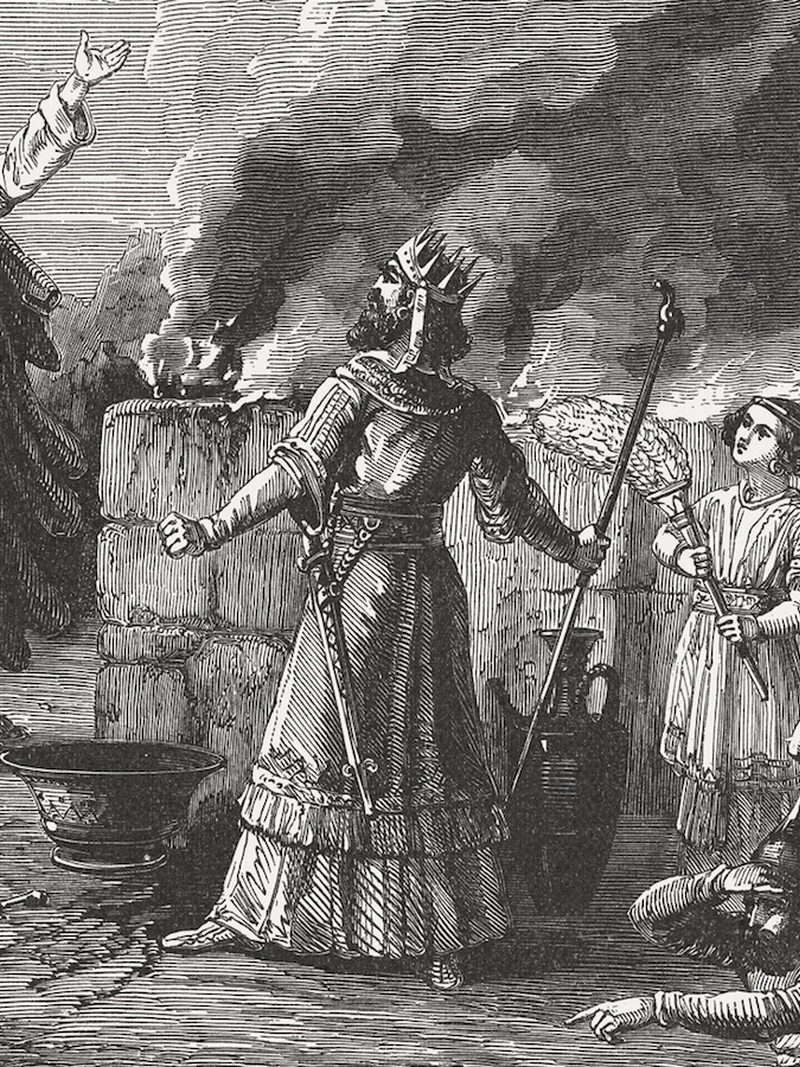
The book of Esther is one of the most neglected of the books of the Bible. To be sure, sermons are preached on it, and commentaries have occasionally been written on it, but almost without exception Esther has been interpreted in isolation from the rest of Biblical history, chronology, and…

by James B. JordanMarch 28, 1996

actionvance-t7el2ig3jmc-unsplash
Biblical Horizons

A Letter on Geocentricity

Dear Mr. ______, . . . Here is how I look at the geocentricity question. Since I don’t recall what I wrote you before, I may be repeating some things. 1. The Bible does not teach it. Biblical passages used to support the idea are being misinterpreted. My original paper…

by James B. JordanMarch 28, 1996
assertion_of_liberty_of_conscience_by_the_independents_of_the_westminster_assembly_of_divines_1644
Biblical Horizons

What is God?

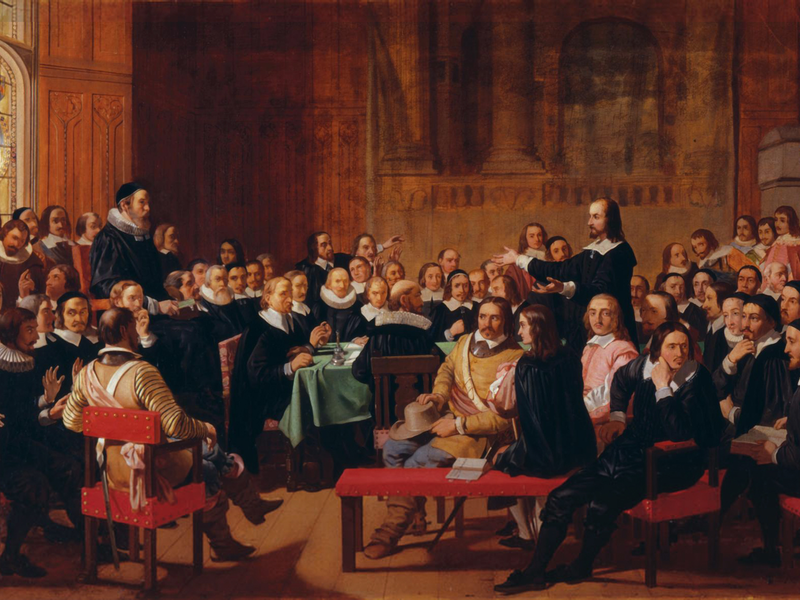
Answer 4 of the Westminster Shorter Catechism is often taken as a magnificent answer to the question, "What is God?" It reads: "God is a Spirit, infinite, eternal, and unchangeable in his being, wisdom, power, holiness, justice, goodness, and truth." Presbyterians are fond of praising this statement, preaching on it,…

by James B. JordanFebruary 28, 1996
screenshot-2023-08-28-at-4-42-36-pm
Baptism

Like a Dove

The gospels tell us that at Jesus’ baptism, the Holy Spirit descended upon Him "in bodily form like a dove" (Luke 3:22 & parallels). Biblically sensitive commentators have associated this event with three Old Testament parallels: (1) the hovering of the Spirit over the creation in Genesis 1:2; (2) the…

by James B. JordanFebruary 28, 1996
tim-wildsmith-gzggi42wggm-unsplash
John

Jesus at Belshazzar’s Feast: Being an Explanatory Disquisition on an Aspect of the Story of the Woman Taken in Adultery

This they said to test him, that they might have some charge to bring against him. Jesus bent down and wrote with his finger on the ground. (John 8:6) The story of the woman taken in adultery (John 7:53-8:11) has been part of the canonical Christian Bible from its earliest…

by James B. JordanFebruary 28, 1996

Showing page 267 of 309

See all
See all
History

Enlightenment

Two very different evaluations of the Enlightenment appear in recent books. First from Robert Darnton, historian of the French Enlightenment, who, according to the reviewer in the October 6 TNR , devotes the first and most substantative essay in his recent book George Washington’s False Teeth to defending the Enlightenment.…

October 20, 2003
Biblical Studies

Promised Land and Heaven

There’s a breakdown in the traditional typology that links “promised land” with “heaven.” Though the promised land is eschatologically a new heavens and new earth, the typology is more exactly fulfilled in the church’s fulfillment of the great commission on earth. After all, we don’t embark on a “conquest” of…

October 18, 2003
Biblical Studies

Moses the Matchmaker

Moses is the matchmaker who brings the bride to a trysting place with her lover, Yahweh. He is the “friend of the bridegroom” who, like John the Baptist, prepares the bride for her husband. As such, Moses and John are models for all Christian ministry, which is also all about…

October 18, 2003
Biblical Studies

Horned Man

Something to check: Is Moses the first “horned man” in the Bible? He comes down from the mountain, having seen the glory of God, with “horns” on his head, rays of glory radiating out. This may be the source of the horned man image used elsewhere, in the Psalms for…

October 18, 2003

“From Faith” (Rom. 1:17)

Douglas A. Campbell argues forcefully for interpreting the phrase ek pisteos (from faith) in Romans 1:17 as a reference to the faithfulness of Christ in his obedience to death. This, in turn, suggests strongly that Paul’s later use of pistis Christou (faith of Christ) as Christ’s own faithfulness rather than…

October 18, 2003

“From Faith” (Rom. 1:17)

Douglas A. Campbell argues forcefully for interpreting the phrase ek pisteos (from faith) in Romans 1:17 as a reference to the faithfulness of Christ in his obedience to death. This, in turn, suggests strongly that Paul’s later use of pistis Christou (faith of Christ) as Christ’s own faithfulness rather than…

October 18, 2003

Showing page 2181 of 2212

Browse by Category

In Medias Res

Your weekly digest for all things Theopolis.

Donate

Theopolis is nearly 100% donor-supported. Consider joining us on our mission.