Theopolis News
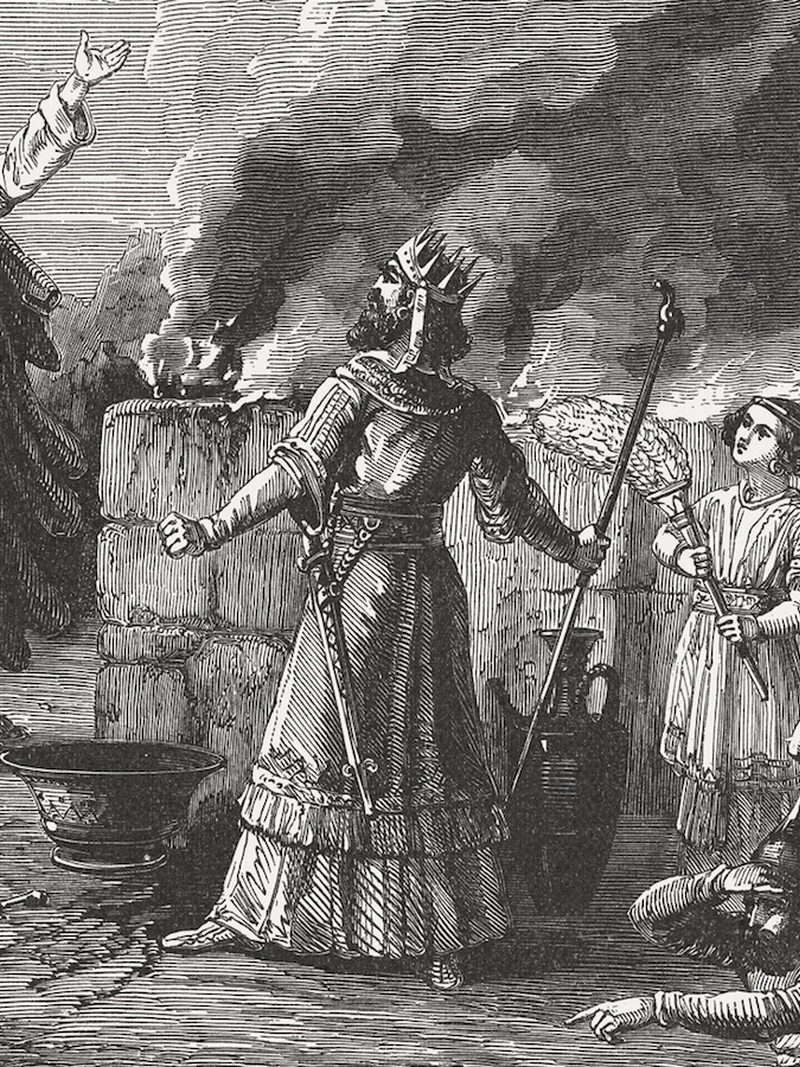
Constantine the Pious
Trinity House President Peter Leithart will deliver a lecture on "Constantine the Pious" at Oregon State University, Wednesday, October 30, at 7:00 PM.
by Peter LeithartOctober 29, 2013
Explore our collection of theological essays, biblical studies, and reflections on faith and culture.
Trinity House President Peter Leithart will deliver a lecture on "Constantine the Pious" at Oregon State University, Wednesday, October 30, at 7:00 PM.

In his rich study, We Have Never Been Modern (Harvard 1993), Bruno Latour describes modernity in terms of a dual process of “purification” and “hybridization.” Purification involves the clean construction of a nature (and science) separated off from society and the self, while hybridization involves mixtures of nature and culture.…

In James K.A. Smith’s excellent book, Introducing Radical Orthodoxy: Mapping a Post-secular Theology , he explains recent developments in theology and philosophy among mostly post-liberal (some Catholic) theologians. As with everything Dr. Smith writes, his prose is accessible, and written with clarity and precision as he describes the contribution made…

This is the last of a three-part series. 1:14-19 – The Lights in the Firmament The fourth day is the first day where God sets out His mediators and rulers. In the celestial bodies, God sets out His mediators and rulers in the same single class of created beings. We…
Trinity House President Peter Leithart will be in Chicago this weekend lecturing on Revelation. Sign up here .
Only two more weeks to register for the Trinity House Advent class on the book of Genesis. Register before the late fees kick in!
Showing page 185 of 309
Showing page 41 of 43
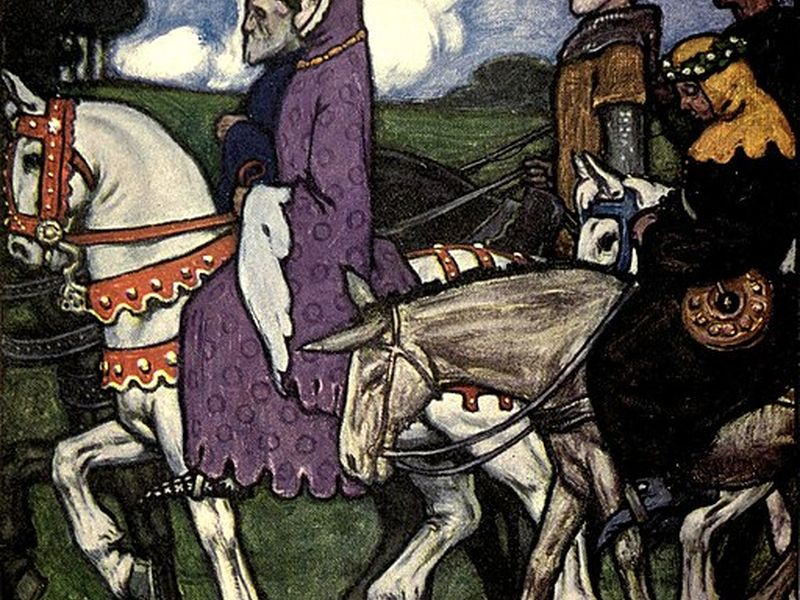
A few thoughts on the “General Prologue” to Chaucer’s Canterbury Tales . 1) The Prologue sets the stage for a multi-layered set of tales. The real-life Chaucer is, of course, the author, but in the Prologue, he introduces a fictional version of himself as narrator: It happened in that season…

In an essay on “Eschatology” in the Blackwell Companion to Political Theology , the late Robert Jenson argues that Christian eschatology is “directly and almost exclusively a discourse about politics.” The coming of the kingdom means that “the eschaton-polity” Israel hoped for, “the universal polity of peace, appeared as a…
The world’s most interesting man, Matthew B. Crawford, offers a brilliant and chilling diagnosis of “How Science Has Been Corrupted” at UnHerd . The hinge of his analysis is the “dissonance between our idealised image of science, on the one hand, and the work ‘science’ is called to do in…
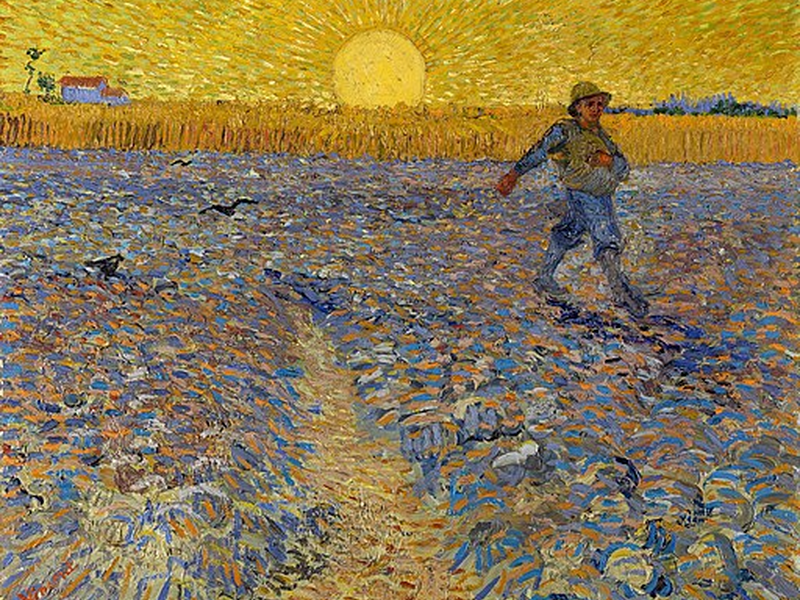
Caryll Houselander begins her Passion of the Infant Christ with a meditation on seeds and sowing. “The countryman is not impatient,” she writes, “when flowers and fruit disappear and winter lingers.” His seed is in the ground, and he is “as conscious of life in winter, when the crust of…
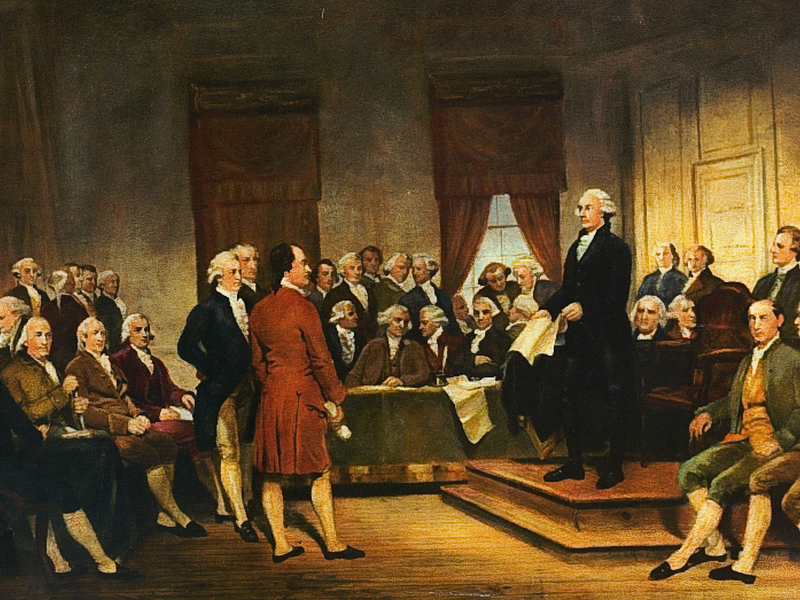
Law, writes Harvard law professor Adrian Vermeule ( Common Good Constitutionalism ), is “a reasoned ordering to the common good,” or, in the words of the Roman jurist Ulpian, “the art of goodness and fairness” (1). Public officials “have a duty, and corresponding authority, to promote the common good” (1).…
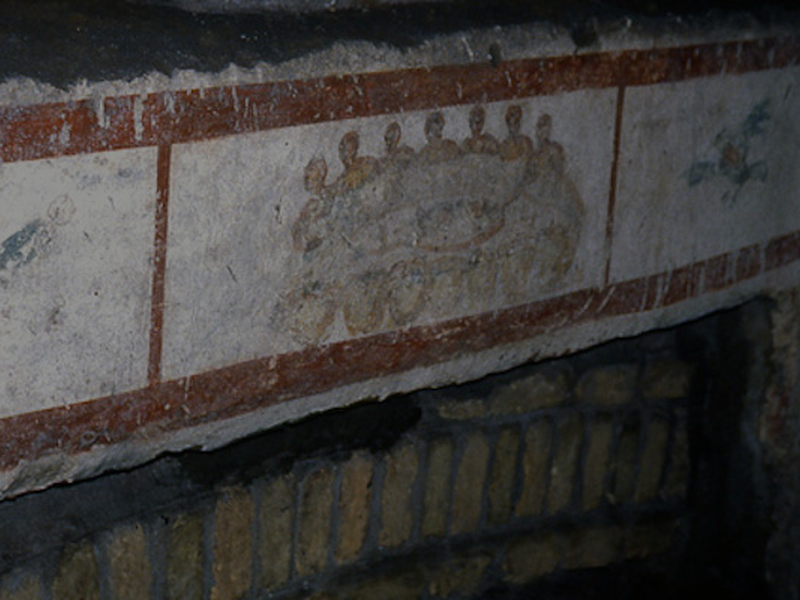
For centuries, Eucharistic piety has been distorted by ocular metaphors. We long to “see” Jesus at the table, but the bread and wine form a “veil.” Eucharistic desire is the desire to rend the veil of bread to enter into extra-festive spiritual communion. The ocular emphasis of Eucharistic piety pops…
Showing page 7 of 2212
Your weekly digest for all things Theopolis.