Theopolis Logo

Writing

Explore our collection of theological essays, biblical studies, and reflections on faith and culture.

See all
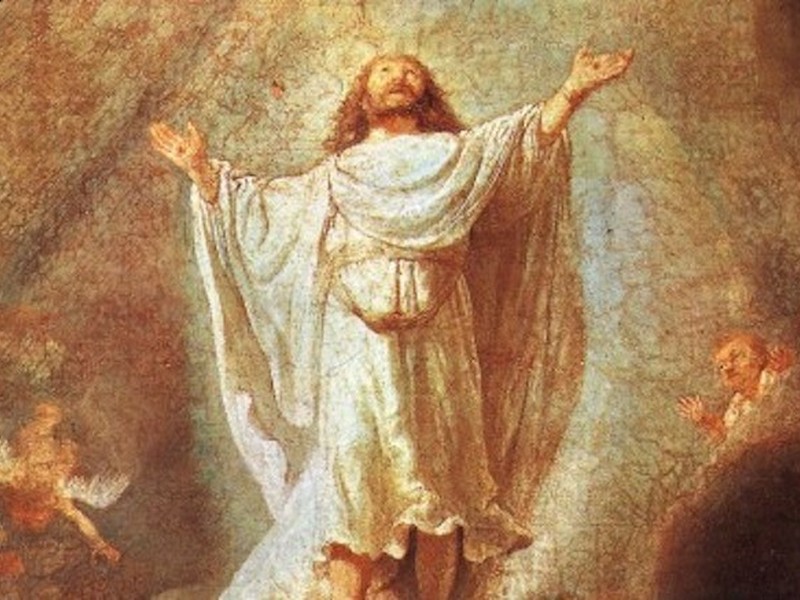
ascension-rembrandt
Ascension

On the Ascension of the Lord

Leo the Great's second sermon on the Ascension, Sermon 74 . I. The mystery of our salvation, dearly-beloved, which the Creator of the universe valued at the price of His blood, has now been carried out under conditions of humiliation from the day of His bodily birth to the end…

by TheopolisMay 25, 2017

cross-grunwald
Ecclesiology

Church on the Cross

Life, Eugen Rosenstock-Huessy says, is suffering, battle, pain, shock, failure, elation. Human beings are always torn, always riven. Much of human life, individually and col­lectively, is an effort to deal with suffering and death. By being the first Man, Jesus establishes the possibility of a different stance toward suffering and…

by Peter LeithartMay 23, 2017
e99a2313
Baptism

Baptism Impasse: Baptists vs. Presbyterians (Part 1)

Is Christian baptism given to believers only or to believers and their children? That’s the question that must be answered—but only if you’re Baptist or Presbyterian. That’s how the question is framed between these two denominations in this dispute, and it’s along these lines the debate unfolds as each side…

by Mani MarprelateMay 18, 2017
screen-shot-2017-05-01-at-1-09-10-pm
Political Theology

Philanthropic God

Again and again the liturgy of St Chrysostom calls God a lover of mankind. He is Philanthropolos Theos (man-loving God), Kurios Philanthropolos (man-loving Lord), Philopsychos (lover of the soul). Philanthropy wasn’t a Christian invention. Roman benefactors gave benefits to subordinates. What was new was the shape of philanthropy, for the…

by Peter LeithartMay 16, 2017
katharina_von_bora_900x600_213
Marriage

Marriage and Betrayal

Perhaps the most fearful of all possibilities in the world is the possibility of betrayal on the part of someone who is in a “position of trust.” This, unfortunately, is the first block in what ought to be the foundation of every marriage in the world. Every woman has a…

by Richard BledsoeMay 11, 2017
kevin-young-icmodywxuq-unsplash
City

Church in the Metropolis

It seems that denominationalism has had its day. A 2009 Barna survey found that denominational commitments have gone squishy in mainline Protestant churches, and Evangelicals don’t fare much better than the rest. After a similar survey, Ron Sellers of Ellison Research said that Protestants are as “loyal to their denominations…

by Peter LeithartMay 9, 2017

Showing page 112 of 309

See all
See all
History

Smokin’ like a Christian

English fairs in earlier centuries displayed wares and displays from all over the world. At one there was an animal described as “a noble creature, which much resembled a Wild Hairy man” whose main skill was to doff his hat and show “his respects to the Company, and smoaks a…

October 14, 2006
Literature

The Moral of Henry V

Much of the moral and political import of Shakespeare’s Henry V is left to the audience’s or reader’s judgment. Is Henry a “pig” or is he the mirror of Christian kings? Is his invasion of France fair or foul? Shakespeare doesn’t show his hand, or not much; and one is…

October 14, 2006
Literature

The climax of Coriolanus

George Barnam notes the careful structure of Act 5 of Shakespeare’s Coriolanus: “Shakespeare had used this scene structurally to build the tension toward the climactic moment when Volumnia should appeal to her son and prevail. Three appeals are made to Marcius, and Shakespeare’s presentation of them matches in structure the…

October 14, 2006
History

Sports and the sacred

A reader wrote to respond to my suggestion that high culture is “sacred” and pop culture “profane,” citing the example of sports. Here’s my response: A football game often is a quasi-religious experience, but I’m not sure we use the same language to describe it. If someone slashed da Vinci’s…

October 14, 2006
Literature

Desacralized drama

In their “cultural history” of English drama, Simon Shepherd and Peter Womack summarize the argument of Glynne Wickham concerning the divorce of stage and sacred: “The English stage - so the argument runs - was predominantly a religious one until Elizabethan Protestantism forced a separation between theatre and the central…

October 14, 2006
History

Civil war and criticism

As Marsden describes it, the growth of neoclassical literary sensibilities developed in part in reaction to the chaos and disorder of the English civil war - following in this regard the development of late 17th century political theory. Orderliness, definiteness, clarity became virtues, while ambiguity, double entendres, and inconclusiveness became…

October 13, 2006

Showing page 1777 of 2212

Browse by Category

In Medias Res

Your weekly digest for all things Theopolis.

Donate

Theopolis is nearly 100% donor-supported. Consider joining us on our mission.