Theopolis Logo

Writing

Explore our collection of theological essays, biblical studies, and reflections on faith and culture.

See all
screen-shot-2022-04-13-at-5-41-33-pm
Poetry

The Donkey

G.K. Chesterton assumes a surprising and memorable perspective from which to view the events of Palm Sunday (Matthew 21:1-11) The Donkey by: G.K. Chesterton When fishes flew and forests walked And figs grew upon thorn, Some moment when the moon was blood Then surely I was born. With monstrous head…

by Arthur KayApril 14, 2022
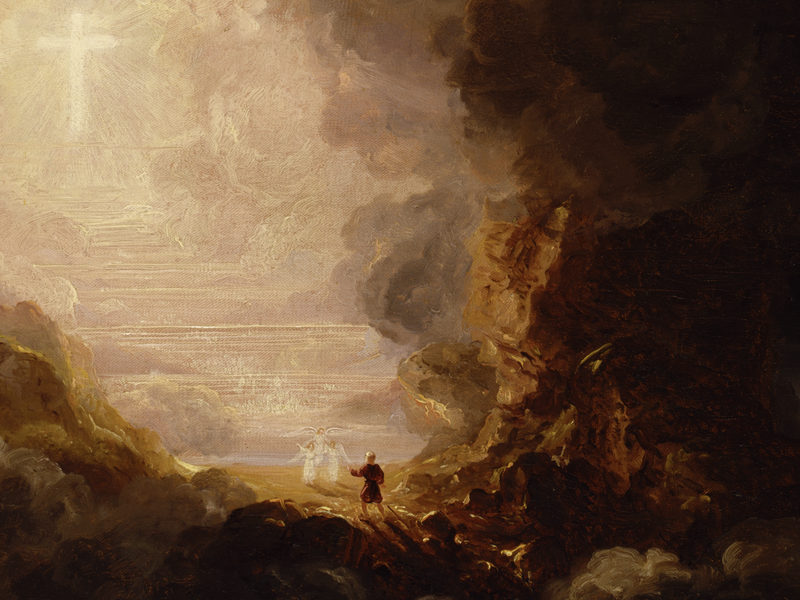
screen-shot-2022-04-12-at-7-14-44-am
Hermeneutics

The Tree, the Cross, and the Supper

There is a common biblical principle: you must give back what you steal. In the Bible, restitution is repayment with interest. If you rob someone of their money, you have to pay back double what you stole. A thief must pay back fourfold if he steals a sheep, and if…

by Kyle LammottApril 12, 2022
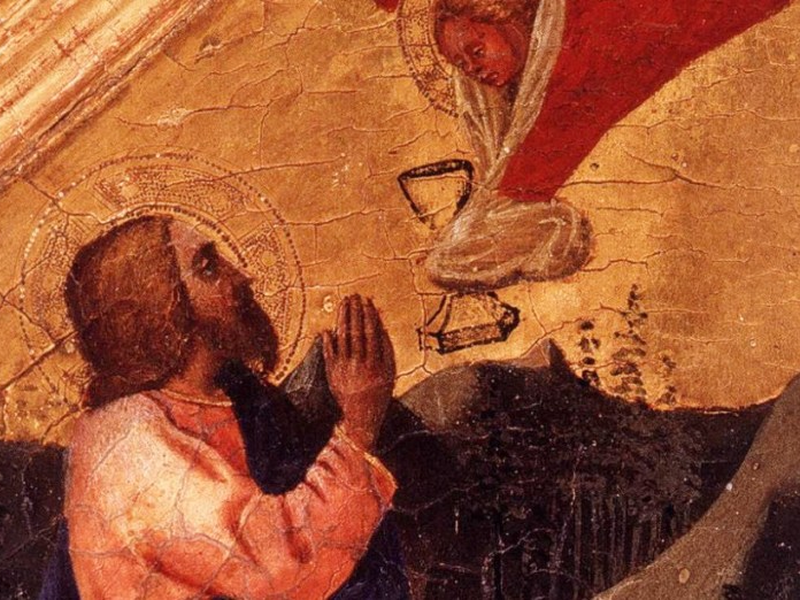
masaccio-christ-in-the-garden-of-gethsemane-detail
Isaiah

The King’s Cure

Identifying Isaiah’s suffering servant with the promised Messiah is unthinkable for a Jew because it combines the offices of humble priest and victorious king. While it is frustrating that Jews refuse to see the sufferings of Christ in Isaiah 53, the reluctance of Christians to interpret the passage in its…

by Mike BullApril 5, 2022
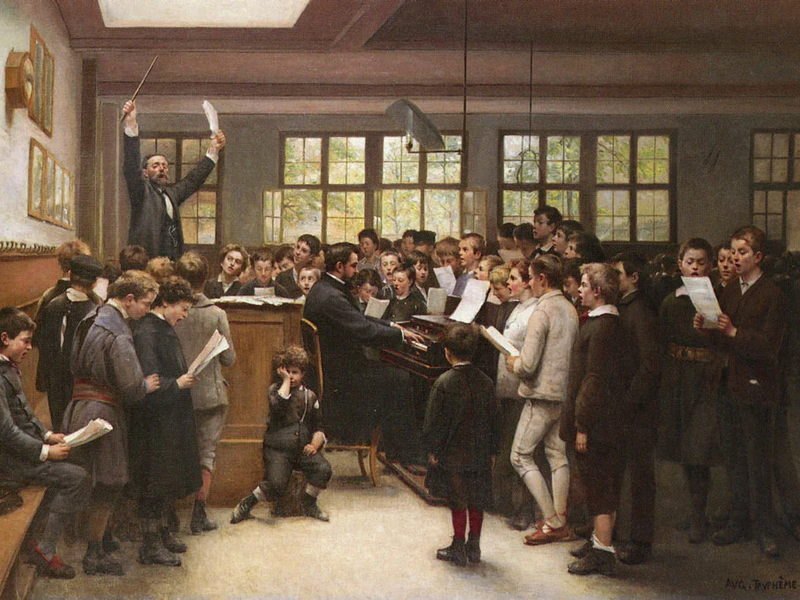
the-choir-lesson-auguste-joseph-trupheme-oil-painting
How to Worship

When Our Men Sing Again

Let everything that has breath praise the Lord! Praise the Lord! Psalm 150:6 (ESV) The command to praise God is pervasive throughout Scripture. In the verse above the Spirit calls all things with breath to praise the Lord. Song is also clearly featured all throughout Scripture and is a featured…

by Grant Van BrimmerMarch 29, 2022
kyle-a0kl1um0wba-unsplash
Culture

The Transgender Bait and Switch

“Gender is a social construct.” That’s shocking to people who have assumed that gender and sex were synonyms but at least since I was in college, in the ‘80s, we were taught that “gender” refers to the forms, the customs, the traditions that our culture teaches us to define what…

by John CarpenterMarch 22, 2022
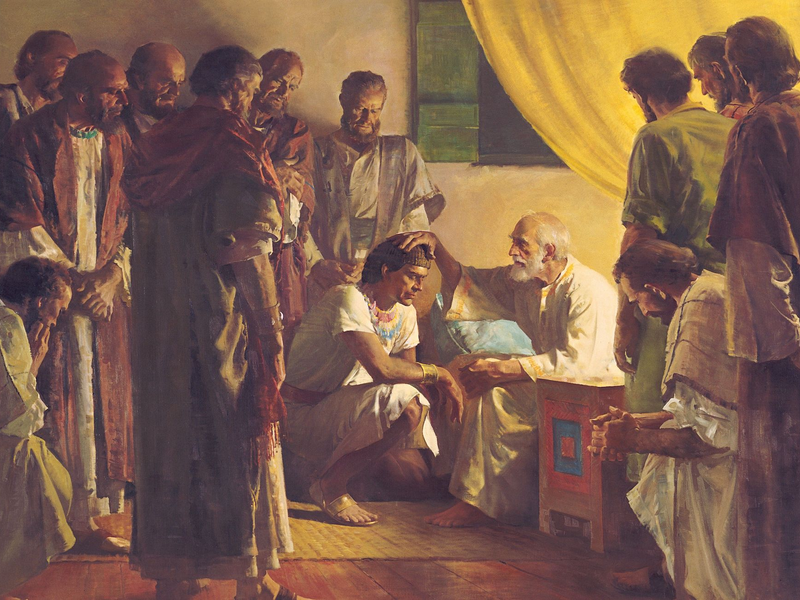
jacob_blessing_his_sons
Biblical Studies

Israel, Judah, and the Narrative Flow of the Bible

In Genesis 49, Jacob prophesies about (blesses and curses?) his twelve sons. The first three of them don’t fare well. Jacob recalls Reuben’s offense of taking his concubine (Genesis 35:22) and the murderous violence of Simeon’s and Levi against the Canaanite inhabitants of the city of Shechem (Genesis 34). He…

by Mark HorneMarch 17, 2022

Showing page 45 of 309

See all
See all
History

Smokin’ like a Christian

English fairs in earlier centuries displayed wares and displays from all over the world. At one there was an animal described as “a noble creature, which much resembled a Wild Hairy man” whose main skill was to doff his hat and show “his respects to the Company, and smoaks a…

October 14, 2006
Literature

The Moral of Henry V

Much of the moral and political import of Shakespeare’s Henry V is left to the audience’s or reader’s judgment. Is Henry a “pig” or is he the mirror of Christian kings? Is his invasion of France fair or foul? Shakespeare doesn’t show his hand, or not much; and one is…

October 14, 2006
Literature

The climax of Coriolanus

George Barnam notes the careful structure of Act 5 of Shakespeare’s Coriolanus: “Shakespeare had used this scene structurally to build the tension toward the climactic moment when Volumnia should appeal to her son and prevail. Three appeals are made to Marcius, and Shakespeare’s presentation of them matches in structure the…

October 14, 2006
History

Sports and the sacred

A reader wrote to respond to my suggestion that high culture is “sacred” and pop culture “profane,” citing the example of sports. Here’s my response: A football game often is a quasi-religious experience, but I’m not sure we use the same language to describe it. If someone slashed da Vinci’s…

October 14, 2006
Literature

Desacralized drama

In their “cultural history” of English drama, Simon Shepherd and Peter Womack summarize the argument of Glynne Wickham concerning the divorce of stage and sacred: “The English stage - so the argument runs - was predominantly a religious one until Elizabethan Protestantism forced a separation between theatre and the central…

October 14, 2006
History

Civil war and criticism

As Marsden describes it, the growth of neoclassical literary sensibilities developed in part in reaction to the chaos and disorder of the English civil war - following in this regard the development of late 17th century political theory. Orderliness, definiteness, clarity became virtues, while ambiguity, double entendres, and inconclusiveness became…

October 13, 2006

Showing page 1777 of 2212

Browse by Category

In Medias Res

Your weekly digest for all things Theopolis.

Donate

Theopolis is nearly 100% donor-supported. Consider joining us on our mission.