
Theopolis Logo

Writing

Explore our collection of theological essays, biblical studies, and reflections on faith and culture.

See all
dan-burton-nrw4i8kuyd8-unsplash-2

Tyranny of the Agreeable

Inspired by the “Moscow Mood” Debate In a shocking 1961 study, Yale psychologist Stanley Milgram would don an official-looking white lab coat and tell a volunteer to administer increasing shocks to another “volunteer” in an adjacent room strapped into an “electric chair” just out of sight. The shocks were incrementally…

by John CarpenterJuly 22, 2024
screen-shot-2023-03-21-at-10-37-03-am
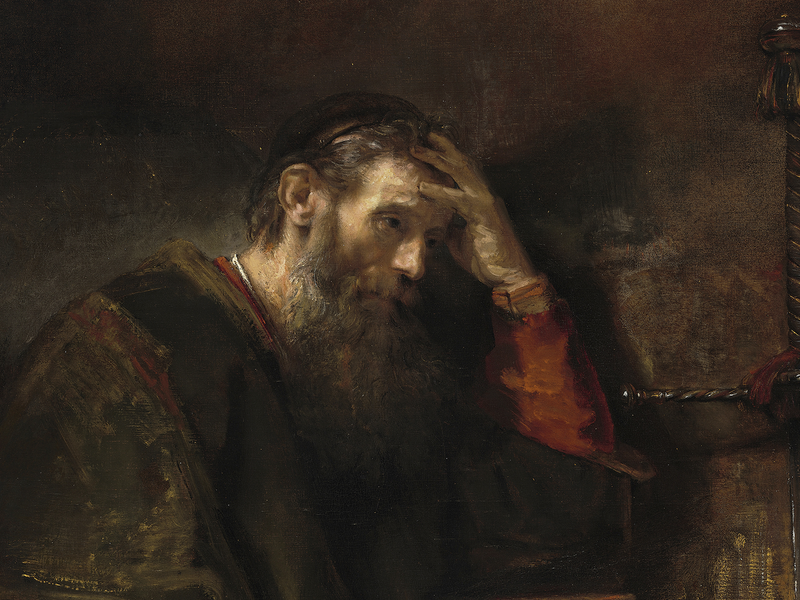
Apostle Paul

Why Doesn’t Paul Quote Jesus?

My title and the substance of the article are borrowed from a section of David Wenham’s excellent book, Paul: Follower of Jesus or Founder of Christianity? I am appropriating ideas from the pages in his book which address the question, “Why Does Paul refer to Jesus’ Life and Ministry so…

by Ralph Allan SmithJuly 9, 2024
screenshot-2024-07-04-at-8-35-35-am
James

The Epistle of James: Shotgun or Sniper

Some of us may be familiar with the notion that the epistle of James is like a New Testament version of Proverbs or other wisdom literature. According to this line of thinking, the epistle of James (together with the other wisdom literature) is basically a collection of timeless sayings without…

by Chris JohnsonJuly 4, 2024
metin-ozer-v4q9cqeashy-unsplash
Virtue

Doing What You Don’t Want to Do

This summer I started walking a long trail that ran north from our home. On my best days, I would walk a total of five miles at a brisk pace. This trail follows the power lines that serve a significant portion of North Dallas and stretches far past the two…

by Mandi GerthJune 25, 2024
screenshot-2024-06-18-at-12-49-58-pm
American Culture

Is Queer Theology Christian?

I am an Australian. I went to the American Academy of Religion mega-fest last year to meet up with some friends, to present a paper at a ‘science and religion’ panel, and to marvel at the sheer scale of how Americans do things. It was quite a ride. Looking at…

by Paul TysonJune 18, 2024
thomas-vitali-owhtrwwtpku-unsplash
Ecclesiology

Consumerism, Oikos, and the Role of Women in the Church (Part 4)

Part 1 Part 2 Part 3 We evangelicals do not often understand the roles of men and women in ministry. Because our consumerist culture has gutted the notion of family as it was historically understood, all Biblical passages about women in church ministry (a familial organism) are almost incomprehensible to…

by John CarpenterJune 11, 2024

Showing page 19 of 309

See all
See all
Philosophy

Autonomy and Tragedy

Early in his Tragic Sense of Life , Unamuno captures the profound connection between autonomy and tragic character in a passage of hyperventilating passion: “The visible universe, the universe that is created by the instinct of self-preservation, becomes all to narrow for me. It is like a cramped cell, against…

December 10, 2003

Chiasm in Romans 3:19-31

There’s something chiastic going on in 3:19-31 (or maybe 2:25-3:30). A. by works of law no flesh shall be justified, 19-20 B. Apart from law, righteousness of God is revealed, 21 C. righteousness through faith in Jesus—> for all have sinned, 22-23 D. being justified as a gift through Jesus…

December 10, 2003
Literature

Spenserian Humor

A touch of Spenserian humor: Spenser has a witch create a false Florimell (Book 3) for her slothful and unattractive son, who is smitten with the beauty of the real Florimell. The witch uses materials from Petrarchan love sonnets to construct the lady ?Eactual lamps for eyes, actual golden wire…

December 9, 2003
Literature

Spenser and Milbank

Spenser might provide a Milbankian response to Milbank’s endorsement of homosexual sex and “threesomes.” In Book 3 of The Faerie Queene , Spenser’s heroine is Britomart, the lady knight who represents a militant chastity directed toward marital and sexual consummation rather than a fearful virginity that simply avoids sex. Britomart…

December 9, 2003
Literature

Hero and Eros

William Allan Oram in a book on Spenser writes that “one of the fruitful false etymologies of the Renaissance was the derivation of HERO from EROS: by this understanding, love does not hinder noble deeds but spurs them on.”

December 9, 2003
Literature

Shakespeare for Readers

Also in the November 7 TLS (belatedly on my desk) is a review of Lukas Erne’s Shakespeare as Literary Dramatist , in which Erne challenges the popularly accepted notion that Shakespeare was writing for viewers rather than readers. He shows that plays were being written for publication in Shakespeare’s time,…

December 9, 2003

Showing page 2154 of 2212

Browse by Category

In Medias Res

Your weekly digest for all things Theopolis.

Donate

Theopolis is nearly 100% donor-supported. Consider joining us on our mission.