Theopolis Logo

Writing

Explore our collection of theological essays, biblical studies, and reflections on faith and culture.

See all
308750rgsdl
Biblical Theology

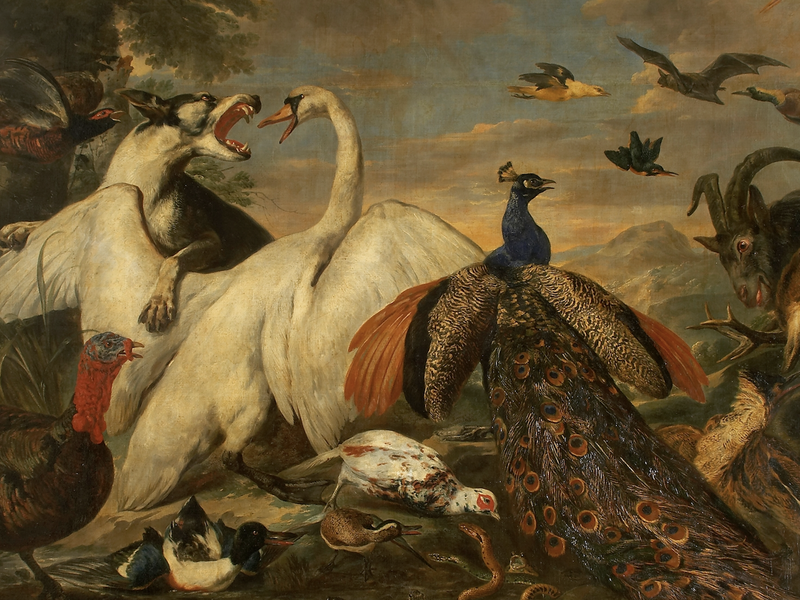
Biblical Bestiary and Covenant Creatures, Part 3: Reunion of Man and Beast in Christ

Abbreviated Introduction to the Series Scripture is absolutely dripping with animal metaphors. Animal traits, characteristics, and appearances are attributed to God, Man, Angels, Nations, Armies. Since animals are the lowest creature in the three-tiered hierarchy, they are useful to metaphorically focus on a single aspect of God (bold like a…

by Jonathan WhiteOctober 27, 2025
screenshot-2025-10-21-at-2-22-31-pm
Matthew

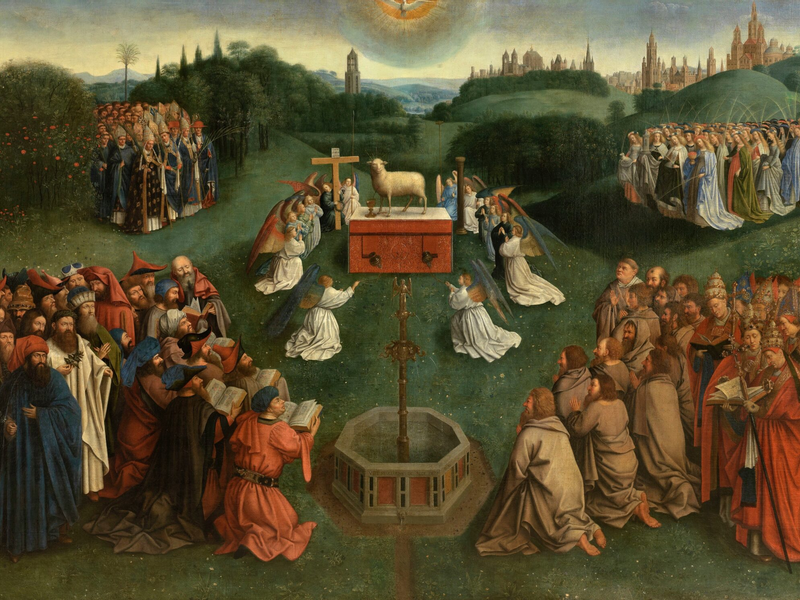
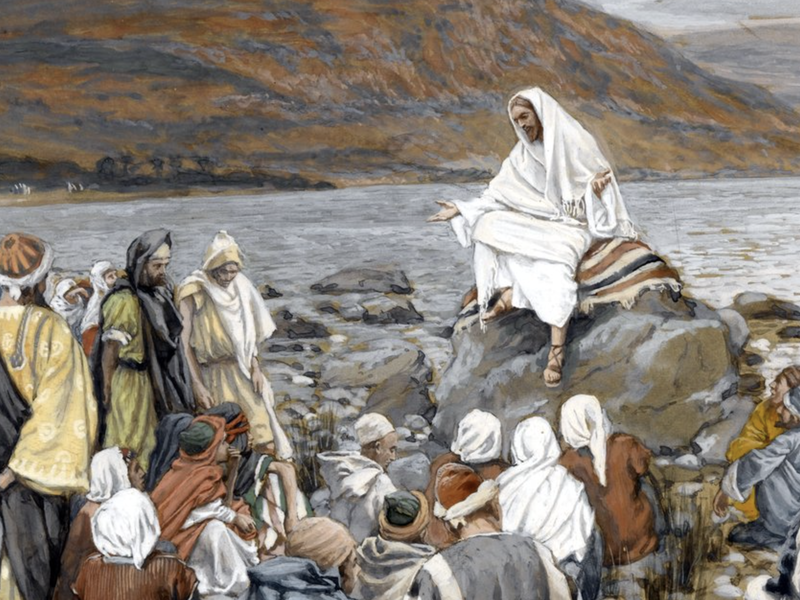
Authority that Heals: Unpacking Matthew 4:18 – 10:4

Many years ago, while perusing Janice Anderson’s revised doctoral dissertation, Matthew’s Narrative Web: Over, and Over, and Over again , I was impressed by her attention to literary structures of repetition within and across Matthew’s Gospel. 1 Her research, in part, nudged me closer toward my present conviction that Matthew…

by Jonathan SedlakOctober 21, 2025
screenshot-2025-10-20-at-4-47-19-pm
Biblical Theology

Biblical Bestiary and Covenant Creatures, Part 2: The Animalistic Dehumanization of Sin

Abbreviated Introduction to the Series Scripture is absolutely dripping with animal metaphors. Animal traits, characteristics, and appearances are attributed to God, Man, Angels, Nations, Armies. Since animals are the lowest creature in the three-tiered hierarchy, they are useful to metaphorically focus on a single aspect of God (bold like a…

by Jonathan WhiteOctober 20, 2025
screen-shot-2025-10-14-at-7-34-36-am
Song of Songs

Like a Lily Among Thorns: Hailing the Suffering Christ in Canticles

“Like a lily among the thorns, so is my love among the maidens… My beloved is mine and I am his; he pastures among the lilies.” Song 2:2, 16 In chapter two of the Song of Solomon, the Beloved compares his Love to a lily among thorns. The language of…

by Mark BriansOctober 14, 2025
eric-welch-xuch5jnrfig-unsplash
Biblical Theology

Biblical Bestiary and Covenant Creatures, Part 1: The Shared Spirit of Men and Beasts

Introduction From the very beginning, angels and animals have played mediating roles between God and Man. Just as the World was made three-tiered (Heaven, Earth, Deep), so the creatures were made (Angels, Men, Animals). Before Christ came to build the permanent bridge across the chasm between God and Man, various…

by Jonathan WhiteOctober 13, 2025
getty-images-nim1o1t51qq-unsplash
Matthew

Parables of Land and Sea in Matthew 13

Matthew 13, the third major discourse of the apostle’s gospel, is comprised almost entirely of parables. While it may seem that all the parables serve the same purpose in fulfilling the prophet Isaiah (Matthew 13:14), the parables found in verses 44–52, at the very least, function outside that purpose. This…

by David TownsendOctober 9, 2025
See all
See all

Consider the olive

Constantine says that some created things “possess wonderful properties, and the full apprehension of which is very difficult. Like hot springs. Or “the fruit of the olive-tree and the vine,” which “deserve especial notice; the one for its power of renovating and cheering the soul, the other because it ministers…

December 3, 2008
History

Empires of trust

Thomas Madden offers a contrarian analysis of American and Roman empire in his recent book, Empires of Trust . Most empires in history, he says, “have sought to build their power in whatever way they can, making war on their neighbors when it seems advantageous and continuing to do so…

December 3, 2008
History

Channeling Strauss

In another part of his oration, Constantine analyzes Virgil’s famed Fourth Eclogue, which Christians often took as a pagan prophecy of Christ. Constantine believes that it’s a deliberate prophecy, but one he deliberately obscured for fear of persecution: “these words are spoken plainly and at the same time darkly, by…

December 3, 2008

Ontology of violence

Constantine (of all people) provides a neat little analysis of the violent ontology of polytheism is his Good Friday oration, which Eusebius appended to the Life of Constantine : if the dominion of these [created] things, numberless as they are, were in the hands, not of one but of many,…

December 3, 2008
Biblical Studies

Mission and culture

The First Things web site today posted some of my biblical-theological reflections on missions and culture: http://www.firstthings.com.

December 2, 2008

Hebrews and Odyssey

Of course Hebrews is written to Hebrews, not to Greeks. But there are suggestive echoes of the proem of the Odyssey in the opening chapters of the letter. The first words of the letter, polymeros kai polytropos , remind me of Homer’s first description of his hero - polymetis ,…

December 2, 2008

Showing page 1440 of 2212

Browse by Category

In Medias Res

Your weekly digest for all things Theopolis.

Donate

Theopolis is nearly 100% donor-supported. Consider joining us on our mission.