Theopolis Logo

Writing

Explore our collection of theological essays, biblical studies, and reflections on faith and culture.

See all
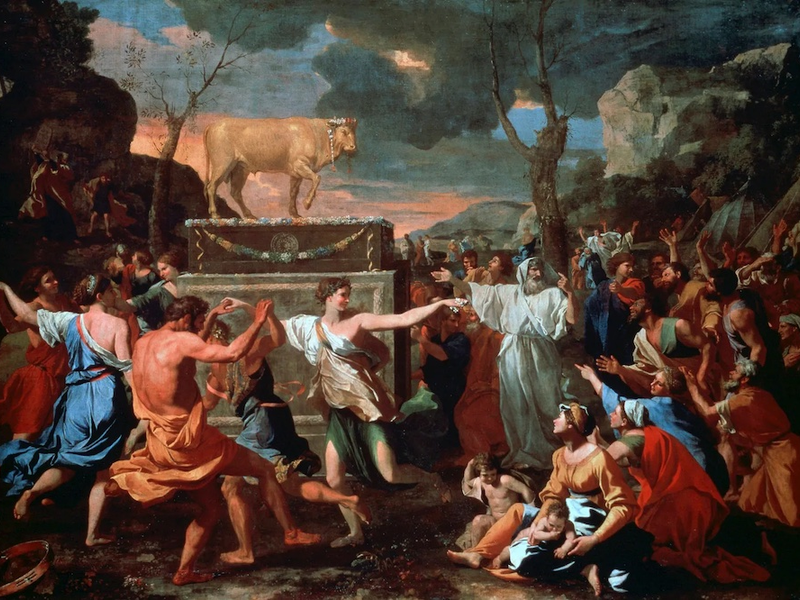
adoration-of-the-golden-calf-canvas-nicolas-1634-copy
Art

The Second Word IV: Implications

What About Catholics? (continued) Usually, such people are not seeking graven images, but rather their idolatry is of a broader character. They are seeking a home on earth. Scott Hahn’s book is called Rome Sweet Home . This is the essential sin, for there is no home on earth. The…

by James B. JordanDecember 7, 1994

screen-shot-2022-08-04-at-9-36-57-am
Biblical Studies

The Gospel and the Virtues

Reading the earliest Christian apologists is like watching a movie in which the hero has the means to demolish his opponents in his grasp but never realizes it. The apologists come across as men not altogether aware of the radical character of the gospel they defend. In response to charges…

by Peter LeithartNovember 23, 1994
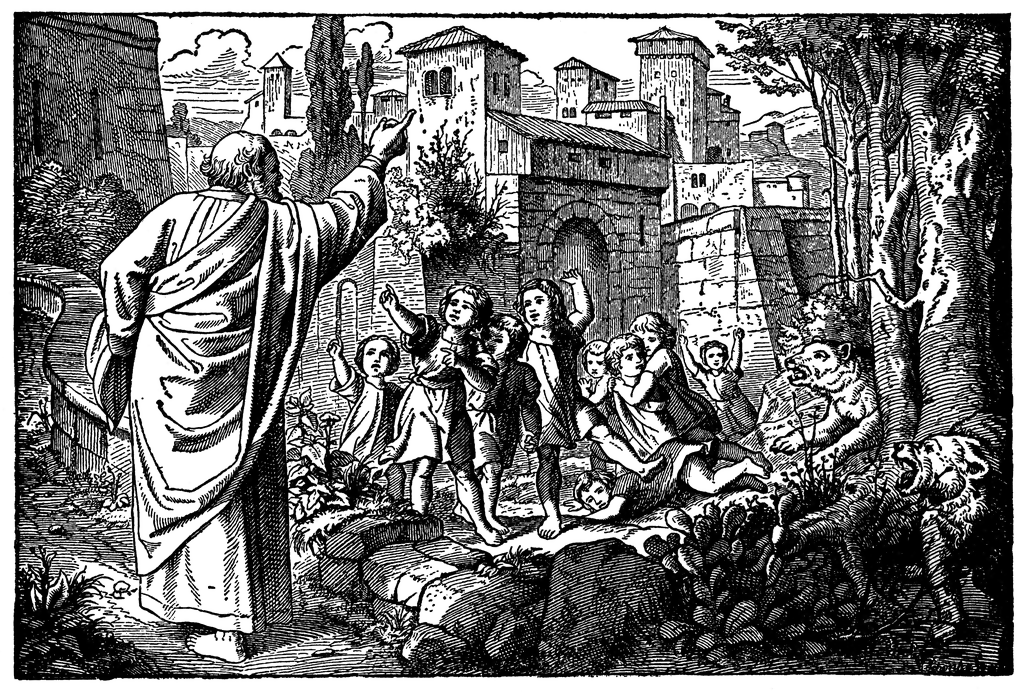
elisah-curses-boys
Biblical Studies

Suffer the Little Children

Then [Elisha] went up from there to Bethel; and as he was going up by the way, ne`arim came out from the city and mocked him and said to him, "Go up, you baldhead; go up, you baldhead!" When he looked behind him and saw them, he cursed them in…

by Peter LeithartNovember 23, 1994
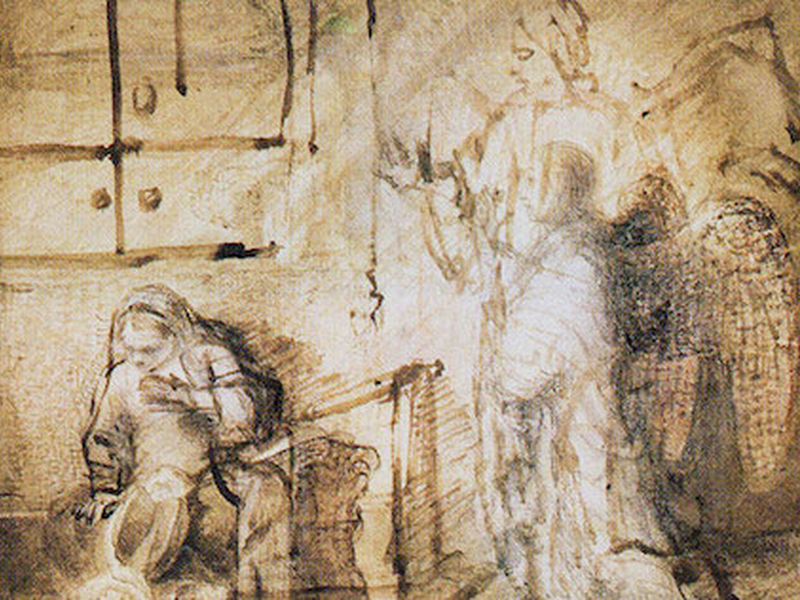
annunciation-2
Biblical Chronology

Genesis 5 & 11: Chronological-Theological Reflections (Part 2)

Further Numerical Items of Interest Umberto Cassuto points out some other numerical factors in Genesis 5. 1 For one thing, he observes that every number in Genesis 5 is a multiple of 5, sometimes with the addition of 7. We have, in essence, made this point already. He also points…

by James B. JordanNovember 7, 1994
Biblical Horizons

The Second Word III: Exposition; Implications

Prostration God has designed the human body in a marvelous way, and Biblical religion is very physical. We believe in the resurrection of the body, against all pagan ideas of the immortality of the soul. We bury our bodies, not burning them. Human beings in their totality, including our bodies,…

by James B. JordanOctober 7, 1994
kiwihug-l4gw27xzn1i-unsplash
Revelation

The Last Eight Visions of Revelation

Since Revelation is laid out in serieses of sevens, it is worth investigating to see if there is a series of seven after the seven libation-bowls of chapter 16. I believe there is, and it is the burden of this essay to expose it. The series of sevens, or heptamerous…

by James B. JordanOctober 7, 1994

Showing page 275 of 309

See all
See all
History

Smokin’ like a Christian

English fairs in earlier centuries displayed wares and displays from all over the world. At one there was an animal described as “a noble creature, which much resembled a Wild Hairy man” whose main skill was to doff his hat and show “his respects to the Company, and smoaks a…

October 14, 2006
Literature

The Moral of Henry V

Much of the moral and political import of Shakespeare’s Henry V is left to the audience’s or reader’s judgment. Is Henry a “pig” or is he the mirror of Christian kings? Is his invasion of France fair or foul? Shakespeare doesn’t show his hand, or not much; and one is…

October 14, 2006
Literature

The climax of Coriolanus

George Barnam notes the careful structure of Act 5 of Shakespeare’s Coriolanus: “Shakespeare had used this scene structurally to build the tension toward the climactic moment when Volumnia should appeal to her son and prevail. Three appeals are made to Marcius, and Shakespeare’s presentation of them matches in structure the…

October 14, 2006
History

Sports and the sacred

A reader wrote to respond to my suggestion that high culture is “sacred” and pop culture “profane,” citing the example of sports. Here’s my response: A football game often is a quasi-religious experience, but I’m not sure we use the same language to describe it. If someone slashed da Vinci’s…

October 14, 2006
Literature

Desacralized drama

In their “cultural history” of English drama, Simon Shepherd and Peter Womack summarize the argument of Glynne Wickham concerning the divorce of stage and sacred: “The English stage - so the argument runs - was predominantly a religious one until Elizabethan Protestantism forced a separation between theatre and the central…

October 14, 2006
History

Civil war and criticism

As Marsden describes it, the growth of neoclassical literary sensibilities developed in part in reaction to the chaos and disorder of the English civil war - following in this regard the development of late 17th century political theory. Orderliness, definiteness, clarity became virtues, while ambiguity, double entendres, and inconclusiveness became…

October 13, 2006

Showing page 1777 of 2212

Browse by Category

In Medias Res

Your weekly digest for all things Theopolis.

Donate

Theopolis is nearly 100% donor-supported. Consider joining us on our mission.