Theopolis Logo

Writing

Explore our collection of theological essays, biblical studies, and reflections on faith and culture.

See all
img_0166-2
How to Worship

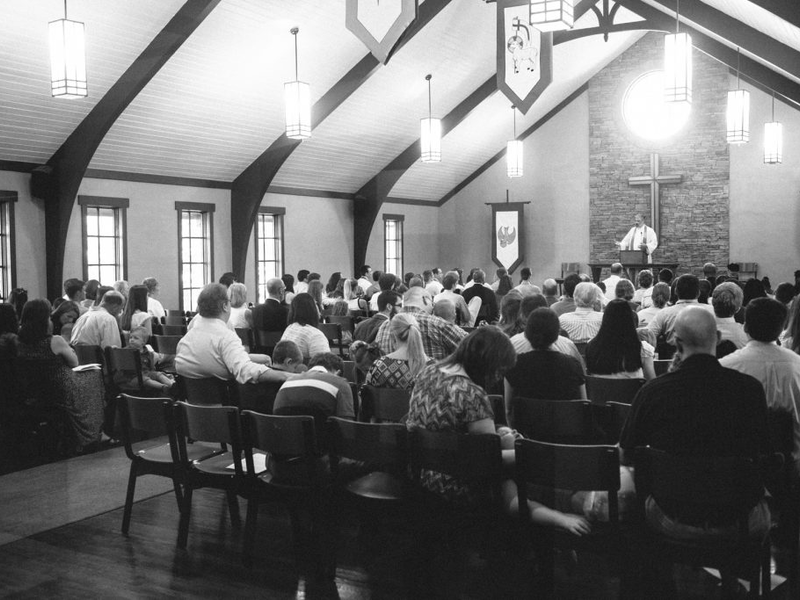
How Liturgy Simplifies Worship for the Cognitively Impaired

Suffer little children, and forbid them not, to come unto Me. In 2005, God blessed our family with our third child, our second daughter, whom we named Bethany. As soon as Bethany was born, we knew there was something different about her. Unlike her two older siblings, who were born…

by Gregory LaughlinMay 4, 2017
screen-shot-2017-05-01-at-1-09-10-pm
Creeds

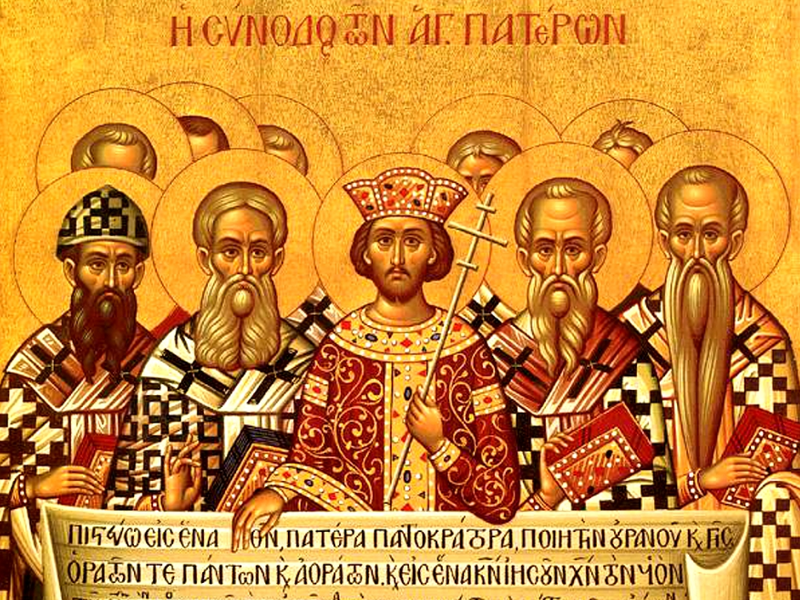
How Pastors Can Incorporate the Creeds in their Churches

Christian, what is it that we believe? While Creeds like the Nicene and Apostle’s have been fundamental pieces of Christian liturgy and life, the American Church is highly unattached to these classic statements. From this creedal phobia has arisen the popular “No Creed, but Christ” slogan. Such slogan, of course,…

by Uri BritoMay 2, 2017
wars-of-religion
Books

Myth of Religious Violence

Revisiting William Cavanaugh’s devastating 2009 The Myth of Religious Violence . The myth of Cavanaugh’s title is a well-known one. According to the myth, religion is a distinct sphere of human life and practice from the rest of human social life, a universal impulse in human beings, and is dogmatic,…

by Peter LeithartApril 27, 2017
resurrection
Church Calendar

A Glad New Day

19 Then the same day at evening, being the first day of the week, when the doors were shut where the disciples were assembled for fear of the Jews, came Jesus and stood in the midst, and saith unto them, Peace be unto you. 20 And when he had so…

by Arthur KayApril 25, 2017
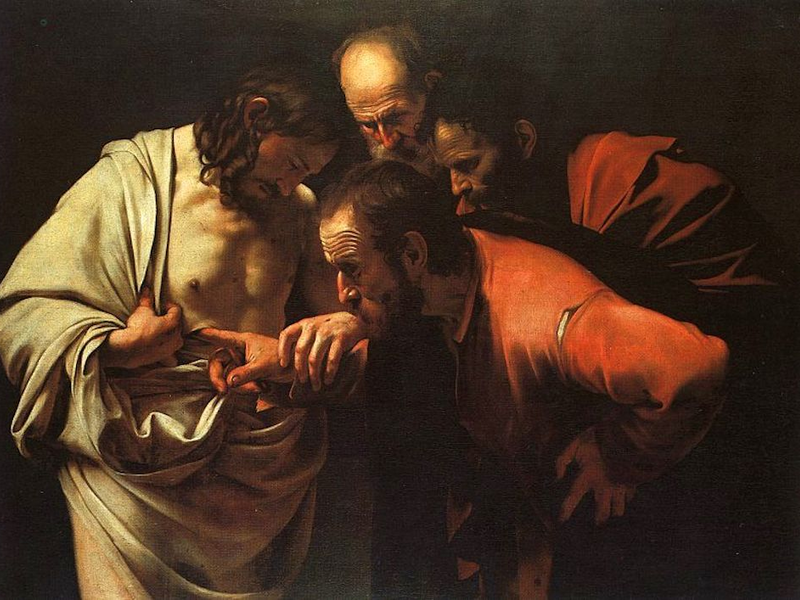
doubting-thomas
John

Thomas and Us

An octave is a repetition, a repetition with a difference. It’s not the first note played again , but the first note played at a higher pitch. Octaves have always marked new beginnings. Hebrew boys were circumcised on the eighth day. Firstborn sheep were dedicated to Yahweh on the eighth…

by Peter LeithartApril 21, 2017
sky-from-bridge
Church Calendar

Resurrection: The Best and Worst News

We say Jesus’ resurrection is good news. It wasn’t good news for the disciples on the first Easter. More like perplexing, bewildering news. For others, it wasn’t perplexing, and it certainly wasn’t good. It was plain old bad news. Early in Luke’s gospel, Herod is terrified that Jesus might be…

by Peter LeithartApril 20, 2017

Showing page 113 of 309

See all
See all

Objective/Subjective

McGrath notes that Augustine interpreted the genitive in the phrase “righteousness of God” in Rom 1 objectively, so that it was understood as the righteousness that God gives in saving sinners (in “making” them righteous). Ambrosiaster, as I pointed out in an earliet post, interpreted the genitive subjectively - the…

April 20, 2006

Old Perspective on Paul

Ambrosiaster writes, “Iustitia est Dei, quia quod promisit dedit, ideo credens hoc esse se consecutum quod promiserat Deus per prophetas suos, iustum Deum probat et testis est iustitiae eius” (PL, 17.56b). McGrath explains: “God, having promised to give salvation, subsequently gives it, and as a result is deemed to be…

April 20, 2006
History

Unfinished Reformation

Nevin wrote: “There is more a great deal in Christianity, I firmly believe, more in the idea of hte Holy Catholic Church, than has yet been attained, either in the way of knowledge or in the way of life, by the Protestant Reformation.”

April 20, 2006

Factitive Justification

There was a consensus among the theologians of Trent, McGrath argues, that justification was “factitive,” a view that excluded that “a sinner may be justified solely as a matter of reputation or imputation, while remaining a sinner in fact.” But of course that raises the question, What exactly is a…

April 20, 2006

True Lutherans

McGrath traces the odd development in Lutheran Orthodoxy of the notion that regeneration and faith precede justification in such a way that “where Luther had understood justification to concern the unbelieving sinner, orthodoxy revised this view, referring justification to the believing sinner.” This takes Lutheran Orthodoxy back in the direction…

April 20, 2006

Ontological change

McGrath notes, “While justification was universally understood to involve the regeneration of humanity, the opinion that an ontological change is thereby effected within humans is particularly associated with the period of High Scholasticism and the development of the concept of created grace. The earlier medieval theologians expressed the change effected…

April 20, 2006

Showing page 1854 of 2212

Browse by Category

In Medias Res

Your weekly digest for all things Theopolis.

Donate

Theopolis is nearly 100% donor-supported. Consider joining us on our mission.