Theopolis Logo

Writing

Explore our collection of theological essays, biblical studies, and reflections on faith and culture.

See all
10779-istockgetty-images-plusredletterw
Biblical Studies

The Virgin Conception of Christ: A Redemptive-Historical Interpretation

Why was Jesus Christ conceived in a virgin? The great Augustine, who never shrank from seeking to answer such questions, provided an explanation in his treatise On the Trinity (13.18.23). Though it was, Augustine believed, possible in marriage to "make a right use of the carnal concupiscence which is in…

by Peter LeithartJanuary 13, 1990

alex-guillaume-2k4du3r1giy-unsplash
Biblical Studies

The Embarrassment of Biblical Chronology

And Arpachshad lived thirty-five years, and became the father of Shelah . . . And Shelah lived thirty years, and became the father of Eber . . . and Eber lived thirty-four years and became the father of Peleg . . . and Peleg lived thirty years, and became the…

by James B. JordanDecember 26, 1989
49980-nicolas_poussin_-_the_judgment_of_solomon_-_wga18330-800w-tn
Biblical Studies

Advice From a Sojourner, Part 3

Every word of God is tested; He is a shield to those who take refuge in Him. Do not add to His words Lest He reprove you, and you be proved a liar. Proverbs 30:5-6 We come now to Proverbs 30:5-6. The Sojourner (Agur) has already told us that he…

by James B. JordanNovember 26, 1989
lightstock_568139_medium_christ_hold_fast
Biblical Studies

Prey in My House

Will a man rob God? Yet you are robbing Me! But you say, `How have we robbed Thee?’ In tithes and offerings. You are cursed with a curse, for you are robbing Me, the whole nation of you! Bring the whole tithe into the storehouse, so that there may be…

by Peter LeithartNovember 13, 1989
bul
Biblical Horizons

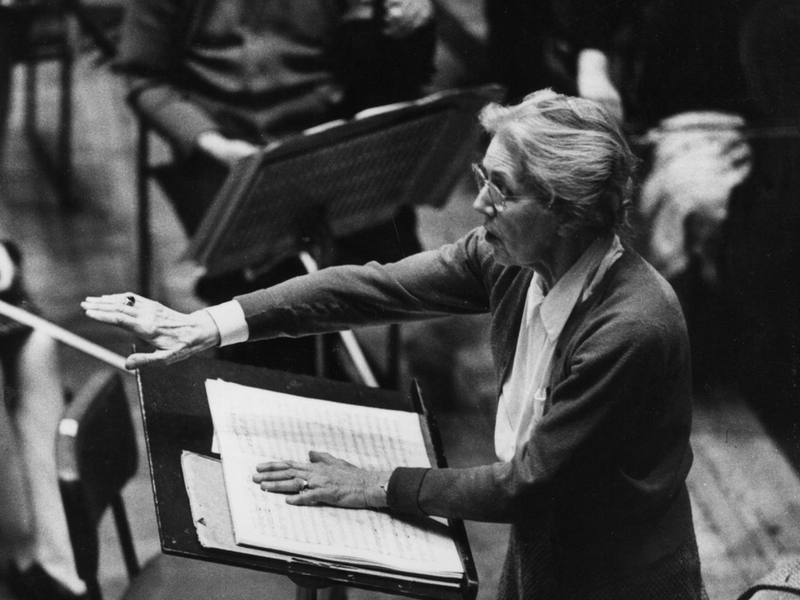
Thoughts From Nadia Boulanger

Nadia Boulanger (1887-1979) was one of the most remarkable women of the 20th century. A devout Christian, she was the master teacher of composition at the American Conservatory in Fontainebleau, France. She taught music and composition to two generations of students, and is regarded as one of the most influential…

by James B. JordanOctober 26, 1989
58251-davidic-covenant-1200w-tn
American Politics

The Tragedy of the Reagan Years

When Ronald Reagan was elected to office in 1980, Christians were hopeful that there would be a real change in our national affairs. Reagan was known to be strongly anti-abortion — he even wrote a book against it. He was a fiscal conservative. He believed in Biblical morality. He was…

by James B. JordanOctober 26, 1989
See all
See all

Objective/Subjective

McGrath notes that Augustine interpreted the genitive in the phrase “righteousness of God” in Rom 1 objectively, so that it was understood as the righteousness that God gives in saving sinners (in “making” them righteous). Ambrosiaster, as I pointed out in an earliet post, interpreted the genitive subjectively - the…

April 20, 2006

Old Perspective on Paul

Ambrosiaster writes, “Iustitia est Dei, quia quod promisit dedit, ideo credens hoc esse se consecutum quod promiserat Deus per prophetas suos, iustum Deum probat et testis est iustitiae eius” (PL, 17.56b). McGrath explains: “God, having promised to give salvation, subsequently gives it, and as a result is deemed to be…

April 20, 2006
History

Unfinished Reformation

Nevin wrote: “There is more a great deal in Christianity, I firmly believe, more in the idea of hte Holy Catholic Church, than has yet been attained, either in the way of knowledge or in the way of life, by the Protestant Reformation.”

April 20, 2006

Factitive Justification

There was a consensus among the theologians of Trent, McGrath argues, that justification was “factitive,” a view that excluded that “a sinner may be justified solely as a matter of reputation or imputation, while remaining a sinner in fact.” But of course that raises the question, What exactly is a…

April 20, 2006

True Lutherans

McGrath traces the odd development in Lutheran Orthodoxy of the notion that regeneration and faith precede justification in such a way that “where Luther had understood justification to concern the unbelieving sinner, orthodoxy revised this view, referring justification to the believing sinner.” This takes Lutheran Orthodoxy back in the direction…

April 20, 2006

Ontological change

McGrath notes, “While justification was universally understood to involve the regeneration of humanity, the opinion that an ontological change is thereby effected within humans is particularly associated with the period of High Scholasticism and the development of the concept of created grace. The earlier medieval theologians expressed the change effected…

April 20, 2006

Showing page 1854 of 2212

Browse by Category

In Medias Res

Your weekly digest for all things Theopolis.

Donate

Theopolis is nearly 100% donor-supported. Consider joining us on our mission.