Theopolis Logo

Writing

Explore our collection of theological essays, biblical studies, and reflections on faith and culture.

See all
or
Abortion

Political Hermeneutics: The Argument From Silence, Part 2

Click HERE for part 1. III This leads to a further question. I have argued that silence cannot by itself establish a Scriptural principle, but does Scripture’s silence carry any weight in itself? Does the fact that something is unbiblical in a weak sense tell us anything at all? In…

by Peter LeithartMarch 13, 1990

hebrew-manuscript-6
Biblical Chronology

Groping Through the Gaps

Although nowadays gap theories are associated with dispensationalism, it was not always so. In the nineteenth century, scholars from a variety of backgrounds (Anglican, Reformed, and proto-fundamentalist) seem to have become fascinated by gaps. If you are not familiar with what I am talking about, this newsletter will acquaint you…

by James B. JordanFebruary 26, 1990
or
Abortion

Political Hermeneutics: The Argument from Silence, Part 1

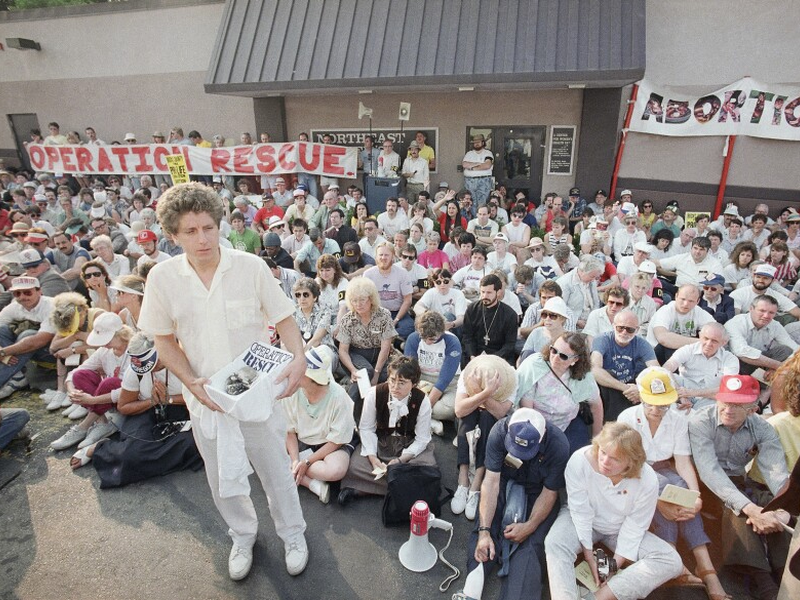
If the debate over Operation Rescue has proven anything, it has proven that there is absolutely no consensus among evangelicals in general, or among "reconstructionists" in particular, about how to use the Bible to judge political actions and movements. Each side of the debate claims biblical authority for its position,…

by Peter LeithartFebruary 13, 1990
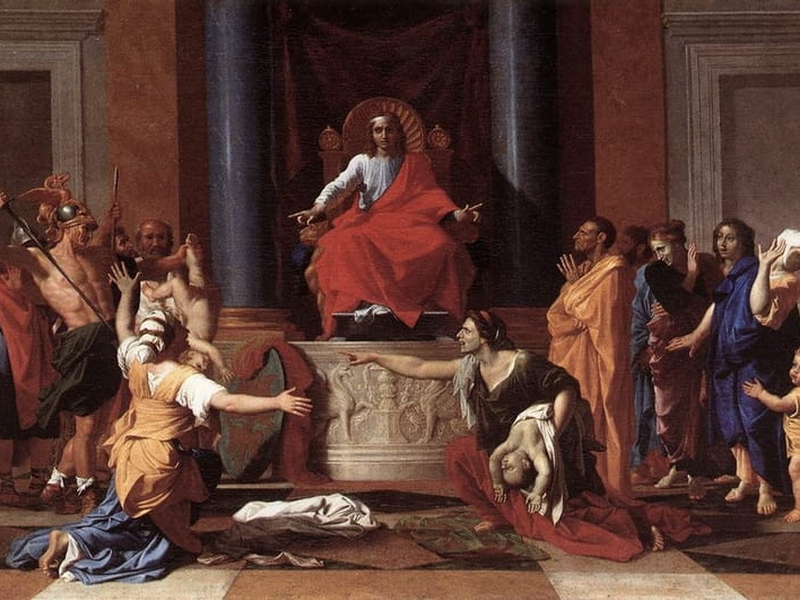
49980-nicolas_poussin_-_the_judgment_of_solomon_-_wga18330-800w-tn
Biblical Studies

Advice From a Sojourner, Part 4

Two things I asked of Thee, Do not refuse me before I die: Keep deception and words of falsehood far from me, Give me neither poverty nor riches, Feed me with the food that it my portion, Lest I be full and deny Thee, And say, "Who is the LORD?"…

by James B. JordanFebruary 2, 1990
image-2
Biblical Horizons

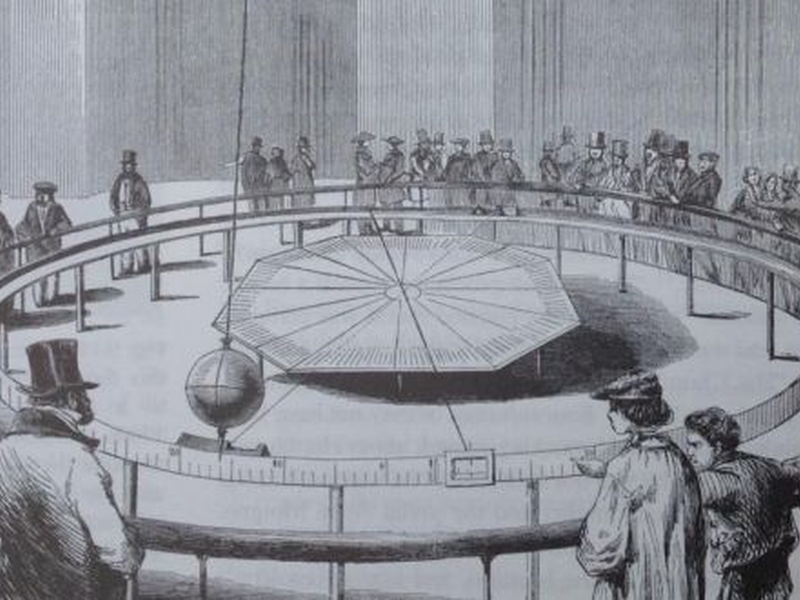
Foucault’s Pendulum

Umberto Eco’s "The Name of the Rose" was certainly one of the best literary works of the past decade, though the film version hardly measured up to it. Now Eco has given us a new novel, "Foucault’s Pendulum." Like Rose, Foucault’s Pendulum reflects on the limitations of human knowledge, and…

by James B. JordanJanuary 26, 1990
tanner-mardis-xuxghzhibn4-unsplash-1-2
Biblical Studies

What Is “Interpretive Maximalism”?

From time to time people ask me about "interpretive maximalism." They want to know what it is, and sometimes want to know if it represents some departure from the Reformed grammatico-historical, Biblico-theological approach to the Bible. I have something of a problem with these questions, because "interpretive maximalism" is not…

by James B. JordanJanuary 26, 1990

Showing page 305 of 309

See all
See all
Theology

Augustine and Cultural Diversity

Augustine has a sense of cultural diversity and historical change usually associated with post-Renaissance western thought. In Book 3 of On Christian Teaching he warns against the mistake of taking a literal statement in Scripture as figurative, and offers this test to determine what is literal and what figure: “anything…

September 9, 2005

Contradictions of heroism

In an essay on manhood and heroism in Homer, Michael Clarke describes Achilles’ towering rage as he returns to the field to avenge Patroclus, and asks: “is Achilles’ heroic excellence fulfilled or undone by his wildness as he moves towards death? The poem forbids us to frame an easy answer.…

September 8, 2005

Odyssey as Wisdom Literature

Proclussaid of the Odyssey, “Many are the wanderings and circlings of the soul: one among imaginings, one in opinions and one before these in understanding. But only the life according to NOUS has stability and this is the mystical harbor of the soul to which, on the one hand, the…

September 8, 2005

Sin and Impurity

Milgrom says that the “purification offering” deals with impurity and not with sin. Kiuchi says that it deals also with sin, suggesting that the “problem of terminology arises from the fact that the cultic law distinguishes between physical uncleanness and . . . (sin), whereas . . . (sin) itself…

September 8, 2005

Made sin

John Kleinig suggests in his commentary on Leviticus that 2 Cor 5:21 refers to Jesus’ fulfillment of the rites of Leviticus 4-5: “Even though Jesus was singless, God offered Jesus as the ‘sin offering’ for human sin. In this case Paul employs the term HAMARTIA alone, which the LXX also…

September 8, 2005

Sermon outline

INTRODUCTION Ephesians is about the formation of Christian culture, or, in Paul’s terminology, a corporate Christian “walk.” Once, we walked, zombie-like, in death and sin (2:1), but God raised us in Christ to walk in good works (2:10). We are called to walk in a manner worthy of our calling…

September 7, 2005

Showing page 1948 of 2212

Browse by Category

In Medias Res

Your weekly digest for all things Theopolis.

Donate

Theopolis is nearly 100% donor-supported. Consider joining us on our mission.