Theopolis Logo

Writing

Explore our collection of theological essays, biblical studies, and reflections on faith and culture.

See all
puritans
History

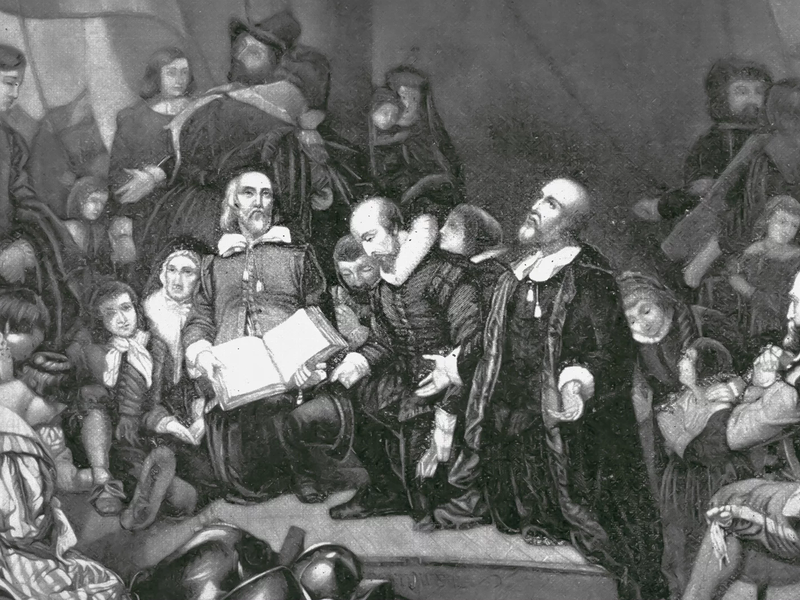
Congregational Theocracy: That Time Theocrats Ran Puritan New England

Timon Cline wrote recently that “theonomists” didn’t run Puritan New England. 1 He is correct, in his major thesis, that the claim that “Puritanism and the natural law tradition are antithetical” is “wildly ahistorical.” Mr. Cline demonstrates that Puritans repeatedly extolled natural law. Besides the Puritan sources Mr. Cline mustered,…

by John CarpenterAugust 9, 2022

screen-shot-2022-08-04-at-9-36-57-am
Mark

The Land of the Walking Trees

The Church is the land of the walking trees. In Mark’s Gospel, the identity of Jesus is slowly and progressively revealed. Though St. Mark announces at the beginning of his narrative that Jesus Christ is “the Son of God” (1:1), this is a reality that must be spoon-fed to His…

by Jackson ShepardAugust 4, 2022
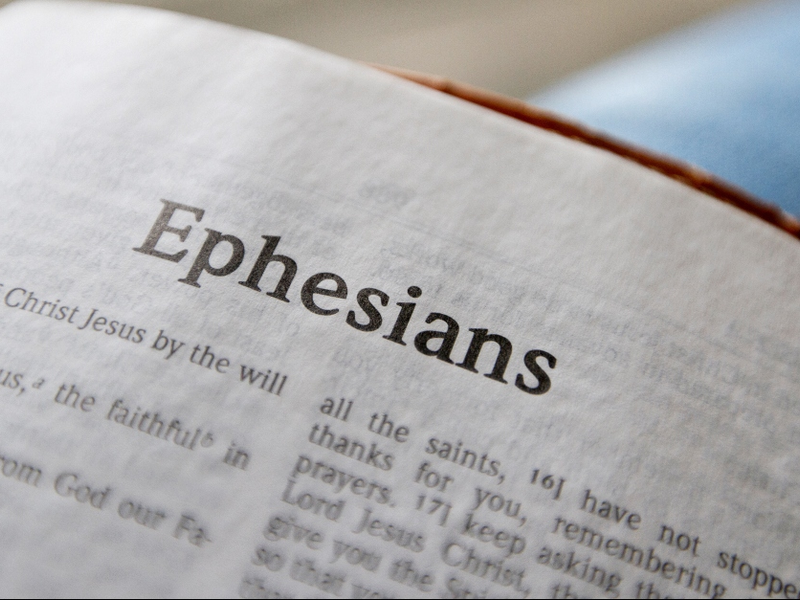
11982-sparrowstockephesians
Ephesians

The Significance of Ephesians (with a comparison to Romans)

All Scripture is of ultimate significance as the word of God, but it may be helpful to think about what makes a book (in this case, a letter) possibly unique within the canon. In this case, the “general” nature of Ephesians should stand out, but it often is not recognized…

by Mark HorneAugust 2, 2022
davide-ragusa-g32g_ibprfa-unsplash
Ecclesiastes

A Time to Kill (Ecclesiastes 3:3)

Where do we draw the lines between what is right and wrong? This question is fundamental to civilization, fundamental to a free society. To put this question in the bluntest and most offense terms: if there is a time to kill — which Solomon says there is — whom shall…

by Ralph Allan SmithJuly 28, 2022
screen-shot-2018-04-12-at-9-48-08-am
Biblical Horizons

Broadening Our View of the Trinity

This article was originally posted in May of 1994. We speak of God as Father, Son, and Holy Spirit. The early Church tended to speak of Him as Father, Word, and Spirit. In this short essay, I want to suggest some other ways to think of the Trinity, ways that…

by James B. JordanJuly 26, 2022
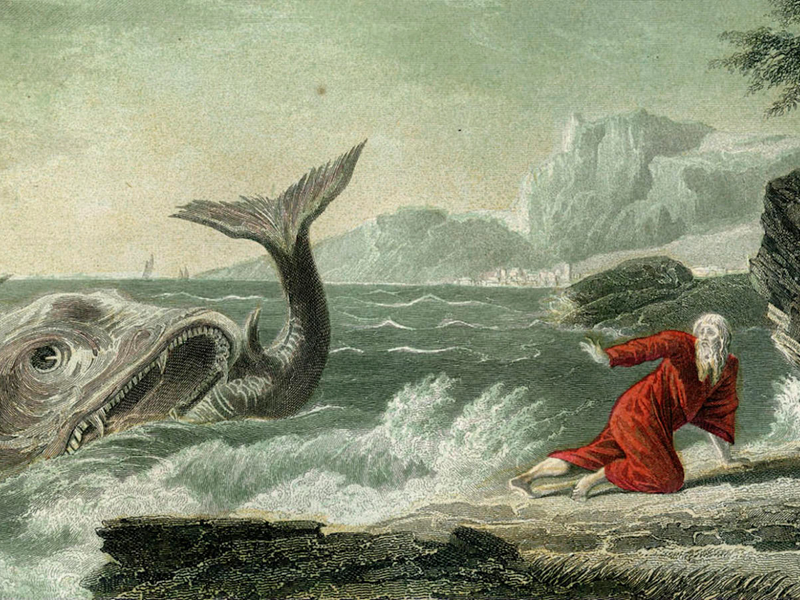
jonahwhale-1552x900
Jonah

Journeying Prophets in Kings

Jonah’s Home The story of JONAH belongs in the book of KINGS. JONAH balances the story of the unnamed Judean prophet (1K13) in KINGS’ literary structure. Each story describes a journeying prophet that crosses land or sea to confront a wayward king. The two stories are located during the reigns…

by Scott FairbanksJuly 21, 2022

Showing page 41 of 309

See all
See all
Philosophy

Smith on Derrida

James Smith’s conclusions regarding Derrida express more clearly than I’ve been able to do my own sense of Derrida. These are scattered quotations from The Fall of Interpretation , pp. 127-129: “Derrida is honest about not challenging for a moment Rousseau’s and Levi-Strauss’s reading of violence; his own analysis is…

October 15, 2003

Interpretation and the Fall

James K. A. Smith has a neat scheme for summarizing different view of interpretation in terms of the categories of creation and fall. For some thinkers, interpretation and the possibility of misinterpretation are results of the Fall; for others, interpretation and misinterpretation is inherent in created life, though there is…

October 15, 2003
Philosophy

Another Benefit of Derrida: Because

Another benefit of Derrida: Because he puts philosophical issues in mythological and metaphorical terms, he moves philosophy into the field of theology. As I’ve pointed out in a number of posts, Derrida (following Plato) speaks of the relationship between speaker and speech (or sometimes between speech and writing) as a…

October 14, 2003
History

Writing and Democratization

JP Vernant points out the connection between writing and democratization: “In the kingdoms of the New East, writing was a privilege and specialty of scribes. Writing enabled the royal administration to control the economic and social life of the State by keeping records of it. Its purpose was to constitute…

October 14, 2003
Philosophy

Pharmakos

Well, here’s an interesting coincidence (pointed to by Derrida, still in “Plato’s Pharmacy”): Derrida is discussing the ritual of the pharmakos , which he is connecting to Plato’s various uses of pharmak - words in discussions of knowledge, language, and other issues. The pharmakos rite was a scapegoat ritual, annually…

October 14, 2003
Philosophy

Why is Derrida Fun?

What is it that makes Derrida so stimulating and fun to read? At least for his treatment of standard philosophical works (I’m reading “Plato’s Pharmacy” in Disseminations ), I think it’s mainly that he shows that philosophy is not about what undergraduate courses in philosophy teach you it is about.…

October 14, 2003

Showing page 2183 of 2212

Browse by Category

In Medias Res

Your weekly digest for all things Theopolis.

Donate

Theopolis is nearly 100% donor-supported. Consider joining us on our mission.