Theopolis Logo

Writing

Explore our collection of theological essays, biblical studies, and reflections on faith and culture.

See all
or
Abortion

Political Hermeneutics: The Argument From Silence, Part 2

Click HERE for part 1. III This leads to a further question. I have argued that silence cannot by itself establish a Scriptural principle, but does Scripture’s silence carry any weight in itself? Does the fact that something is unbiblical in a weak sense tell us anything at all? In…

by Peter LeithartMarch 13, 1990
hebrew-manuscript-6
Biblical Chronology

Groping Through the Gaps

Although nowadays gap theories are associated with dispensationalism, it was not always so. In the nineteenth century, scholars from a variety of backgrounds (Anglican, Reformed, and proto-fundamentalist) seem to have become fascinated by gaps. If you are not familiar with what I am talking about, this newsletter will acquaint you…

by James B. JordanFebruary 26, 1990
or
Abortion

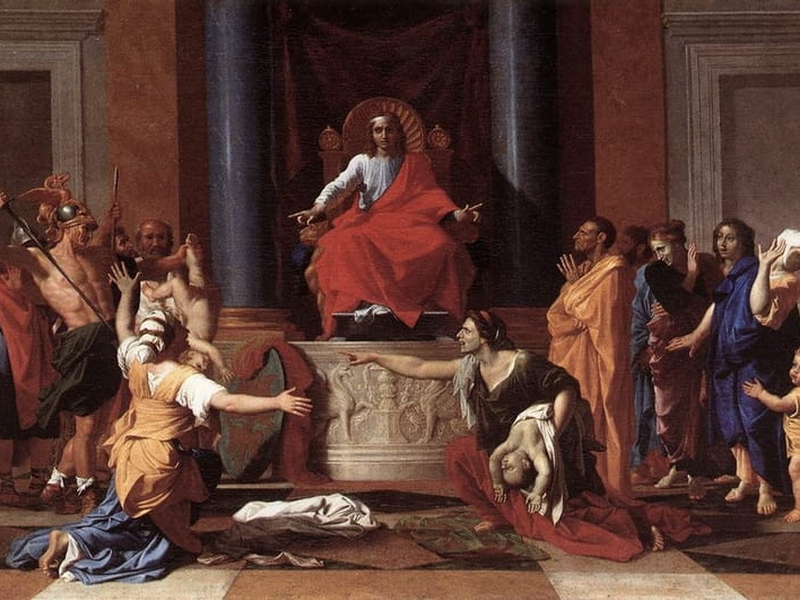
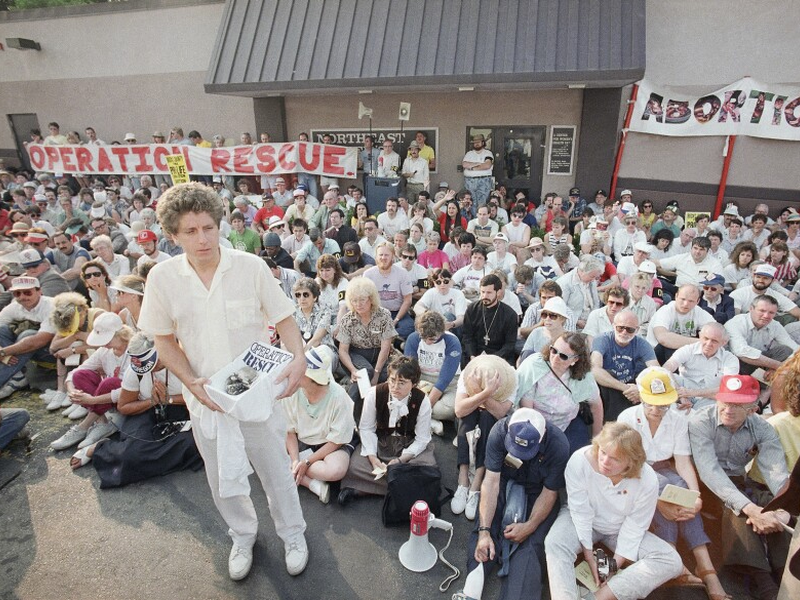
Political Hermeneutics: The Argument from Silence, Part 1

If the debate over Operation Rescue has proven anything, it has proven that there is absolutely no consensus among evangelicals in general, or among "reconstructionists" in particular, about how to use the Bible to judge political actions and movements. Each side of the debate claims biblical authority for its position,…

by Peter LeithartFebruary 13, 1990
49980-nicolas_poussin_-_the_judgment_of_solomon_-_wga18330-800w-tn
Biblical Studies

Advice From a Sojourner, Part 4

Two things I asked of Thee, Do not refuse me before I die: Keep deception and words of falsehood far from me, Give me neither poverty nor riches, Feed me with the food that it my portion, Lest I be full and deny Thee, And say, "Who is the LORD?"…

by James B. JordanFebruary 2, 1990
image-2
Biblical Horizons

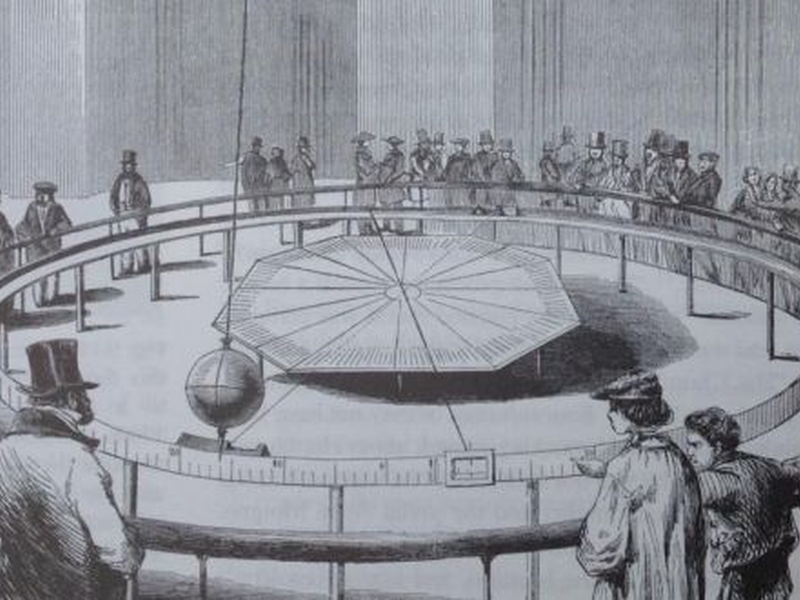
Foucault’s Pendulum

Umberto Eco’s "The Name of the Rose" was certainly one of the best literary works of the past decade, though the film version hardly measured up to it. Now Eco has given us a new novel, "Foucault’s Pendulum." Like Rose, Foucault’s Pendulum reflects on the limitations of human knowledge, and…

by James B. JordanJanuary 26, 1990
tanner-mardis-xuxghzhibn4-unsplash-1-2
Biblical Studies

What Is “Interpretive Maximalism”?

From time to time people ask me about "interpretive maximalism." They want to know what it is, and sometimes want to know if it represents some departure from the Reformed grammatico-historical, Biblico-theological approach to the Bible. I have something of a problem with these questions, because "interpretive maximalism" is not…

by James B. JordanJanuary 26, 1990

Showing page 305 of 309

See all
See all

Logic of Impurity

It's an inventive solution. In an essay on the Logic of Impurity , David Kraemer argues, counterintuitively, that impurity marks something as God's possession. He argues from the strange anomalies associated with corpse defilement and its cleansing: “The human corpse is, according to the Torah, the most powerful source of…

March 23, 2016
Easter

Through the Darkness

Holy Week is a passage through darkness, as we commemorate the betrayal, arrest, trial, and crucifixion of Jesus. But Holy Week doesn't end on the cross. Easter dispels the darkness. Good Friday followed by Easter means that darkness and death no longer mark an end, but mark a beginning. It…

March 22, 2016

Erotic Politics

Paul Ludwig ( Eros and Polis ) observes that “A recurrent feature of ancient Greek political discourse was the assertion that erotic passion was a causal factor in the emergence and maintenance, as well as the decline, of the Greek polis.” But this didn't make the Greek proto-Foucauldians: “the term…

March 22, 2016

Dreamworks

Kelley Bulkeley's Big Dreams is about the big subject of religion, examined from the perspective of our dreaming. He begins with the simple, well-known observation that most of our dreams are quickly forgotten, while “a few are highly memorable.” Any account of dreaming should try to account for this. Taking…

March 22, 2016

Paul Provoked

As Paul strolls through Athens, what impresses him is not the architecture, culture, or art. He sees that the city is full of idols, and he is provoked in spirit (Acts 17:16). That provokes a few reflections. What did Paul see that others in Athens did not see? What would…

March 21, 2016

Crowds

Gustave Le Bon's The Crowd was first published in 1895. It reads like something taken from today's headlines about the crowds generated by Donald Trump's campaign. Le Bon argued that a crowd involved the “disappearance of conscious personality and the turning of feelings and thoughts in a definite direction, which…

March 21, 2016

Showing page 308 of 2212

Browse by Category

In Medias Res

Your weekly digest for all things Theopolis.

Donate

Theopolis is nearly 100% donor-supported. Consider joining us on our mission.