Theopolis Logo

Writing

Explore our collection of theological essays, biblical studies, and reflections on faith and culture.

See all
or
Abortion

Political Hermeneutics: The Argument From Silence, Part 2

Click HERE for part 1. III This leads to a further question. I have argued that silence cannot by itself establish a Scriptural principle, but does Scripture’s silence carry any weight in itself? Does the fact that something is unbiblical in a weak sense tell us anything at all? In…

by Peter LeithartMarch 13, 1990
hebrew-manuscript-6
Biblical Chronology

Groping Through the Gaps

Although nowadays gap theories are associated with dispensationalism, it was not always so. In the nineteenth century, scholars from a variety of backgrounds (Anglican, Reformed, and proto-fundamentalist) seem to have become fascinated by gaps. If you are not familiar with what I am talking about, this newsletter will acquaint you…

by James B. JordanFebruary 26, 1990
or
Abortion

Political Hermeneutics: The Argument from Silence, Part 1

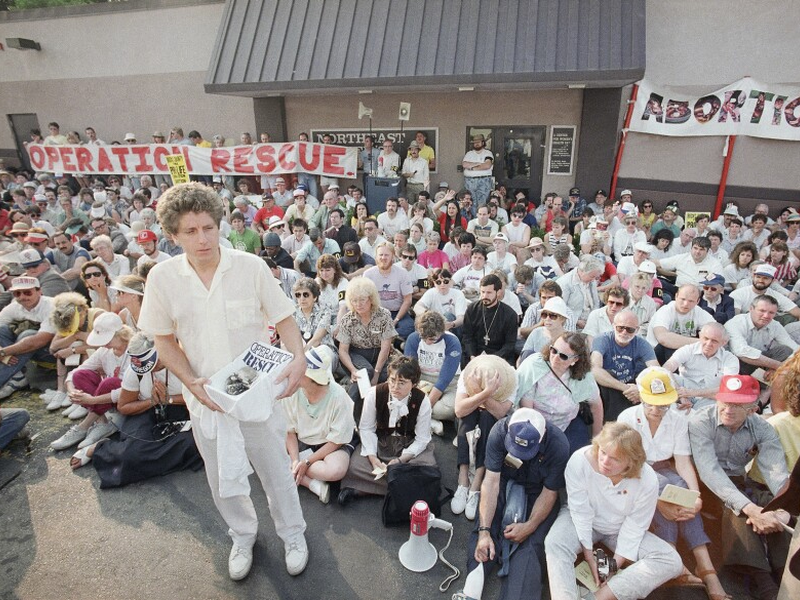
If the debate over Operation Rescue has proven anything, it has proven that there is absolutely no consensus among evangelicals in general, or among "reconstructionists" in particular, about how to use the Bible to judge political actions and movements. Each side of the debate claims biblical authority for its position,…

by Peter LeithartFebruary 13, 1990
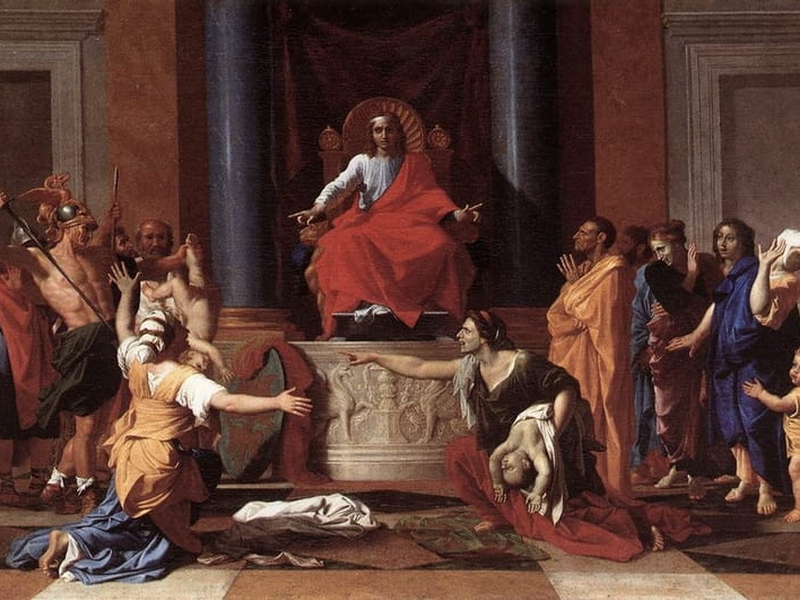
49980-nicolas_poussin_-_the_judgment_of_solomon_-_wga18330-800w-tn
Biblical Studies

Advice From a Sojourner, Part 4

Two things I asked of Thee, Do not refuse me before I die: Keep deception and words of falsehood far from me, Give me neither poverty nor riches, Feed me with the food that it my portion, Lest I be full and deny Thee, And say, "Who is the LORD?"…

by James B. JordanFebruary 2, 1990
image-2
Biblical Horizons

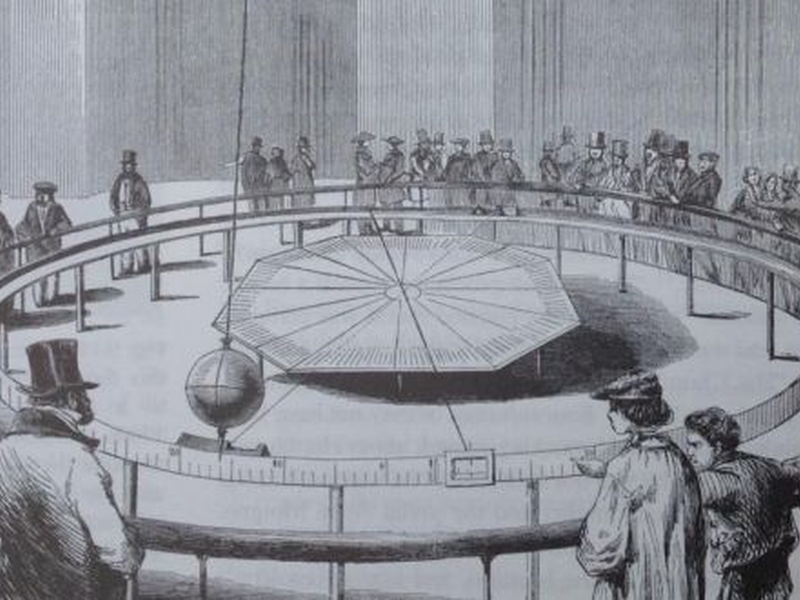
Foucault’s Pendulum

Umberto Eco’s "The Name of the Rose" was certainly one of the best literary works of the past decade, though the film version hardly measured up to it. Now Eco has given us a new novel, "Foucault’s Pendulum." Like Rose, Foucault’s Pendulum reflects on the limitations of human knowledge, and…

by James B. JordanJanuary 26, 1990
tanner-mardis-xuxghzhibn4-unsplash-1-2
Biblical Studies

What Is “Interpretive Maximalism”?

From time to time people ask me about "interpretive maximalism." They want to know what it is, and sometimes want to know if it represents some departure from the Reformed grammatico-historical, Biblico-theological approach to the Bible. I have something of a problem with these questions, because "interpretive maximalism" is not…

by James B. JordanJanuary 26, 1990

Showing page 305 of 309

See all

Showing page 5 of 43

See all

Seizure of Speech

Seizing power doesn't make a revolution. When you seize speech, then you've got a chance at total revolution. Writing of the French Revolution, James Billington writes ( Fire in the Minds of Men , 34-5), " four-letter outbursts of the youthful demonstrators in the late 196os echoed the political shock…

October 27, 2017

Secular Sacred

You could find anything in the cafes of the Palais Royal in the last decades of the eighteenth century: "Distinctions of rank were obliterated, and men were free to exercise sexual as well as political freedom. In the course of a single visit, one might sip such libations of liberation…

October 27, 2017

Contraction of Theological Imagination

Toward the end of Corpus Mysticum , Henri de Lubac says that one of the most serious results of the shifts in Eucharistic theology he examines is "the devaluation of symbols." Augustine's entire theology was about "signs" and "things." In the late Middle Ages, "consideration of 'signs' would soon suffer…

October 27, 2017

Left and Right

"In the summer of 1789, absolute monarchy and aristocratic authority were overthrown forever in the most powerful kingdom," writes James Billington in Fire in the Minds of Men (20). If something happens, it must be possible. Just so: The French Revolution was "the hard fact that gave birth to the…

October 27, 2017

Lament to Joy

Josiah's death is a reverse exodus because it's first an inverted Passover. Zechariah describes a scene of mourning like the “mourning on the plain of Megiddo,” a reference to the death of Josiah (Zechariah 12:11). But the mourning Zechariah describes is also like the mourning of Egypt over their firstborn.…

October 26, 2017

American Revolution

Was the American Revolution a Revolution? Eugen Rosenstock-Huessy (ERH) concludes it was a “half-revolution” rather than a total revolution on the scale of the Russian, French, Puritan, Reformation, and Papal revolutions. Evaluating the revolutionary character of the American Revolution rests partly on the question of what “revolution” meant to the…

October 26, 2017

Showing page 129 of 2212

Browse by Category

In Medias Res

Your weekly digest for all things Theopolis.

Donate

Theopolis is nearly 100% donor-supported. Consider joining us on our mission.