Theopolis Logo

Writing

Explore our collection of theological essays, biblical studies, and reflections on faith and culture.

See all
308750rgsdl
Biblical Theology

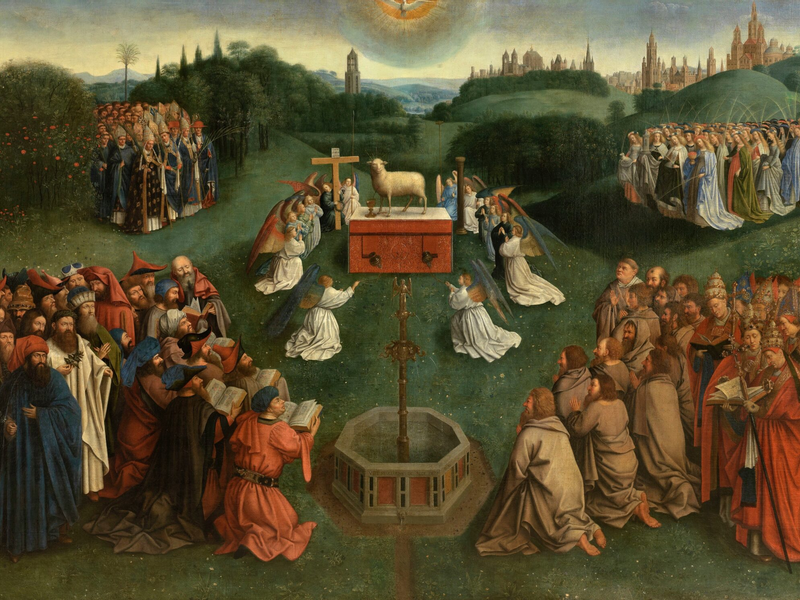
Biblical Bestiary and Covenant Creatures, Part 3: Reunion of Man and Beast in Christ

Abbreviated Introduction to the Series Scripture is absolutely dripping with animal metaphors. Animal traits, characteristics, and appearances are attributed to God, Man, Angels, Nations, Armies. Since animals are the lowest creature in the three-tiered hierarchy, they are useful to metaphorically focus on a single aspect of God (bold like a…

by Jonathan WhiteOctober 27, 2025
screenshot-2025-10-21-at-2-22-31-pm
Matthew

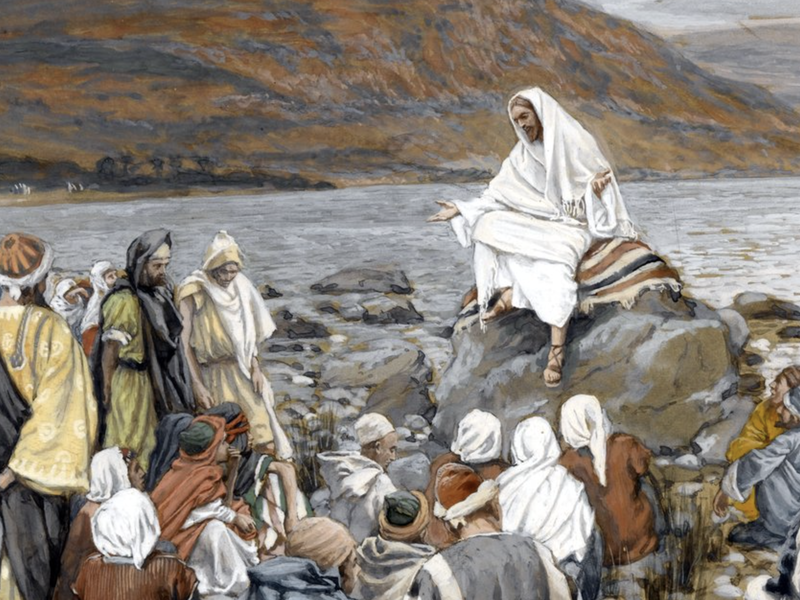
Authority that Heals: Unpacking Matthew 4:18 – 10:4

Many years ago, while perusing Janice Anderson’s revised doctoral dissertation, Matthew’s Narrative Web: Over, and Over, and Over again , I was impressed by her attention to literary structures of repetition within and across Matthew’s Gospel. 1 Her research, in part, nudged me closer toward my present conviction that Matthew…

by Jonathan SedlakOctober 21, 2025
screenshot-2025-10-20-at-4-47-19-pm
Biblical Theology

Biblical Bestiary and Covenant Creatures, Part 2: The Animalistic Dehumanization of Sin

Abbreviated Introduction to the Series Scripture is absolutely dripping with animal metaphors. Animal traits, characteristics, and appearances are attributed to God, Man, Angels, Nations, Armies. Since animals are the lowest creature in the three-tiered hierarchy, they are useful to metaphorically focus on a single aspect of God (bold like a…

by Jonathan WhiteOctober 20, 2025
screen-shot-2025-10-14-at-7-34-36-am
Song of Songs

Like a Lily Among Thorns: Hailing the Suffering Christ in Canticles

“Like a lily among the thorns, so is my love among the maidens… My beloved is mine and I am his; he pastures among the lilies.” Song 2:2, 16 In chapter two of the Song of Solomon, the Beloved compares his Love to a lily among thorns. The language of…

by Mark BriansOctober 14, 2025
eric-welch-xuch5jnrfig-unsplash
Biblical Theology

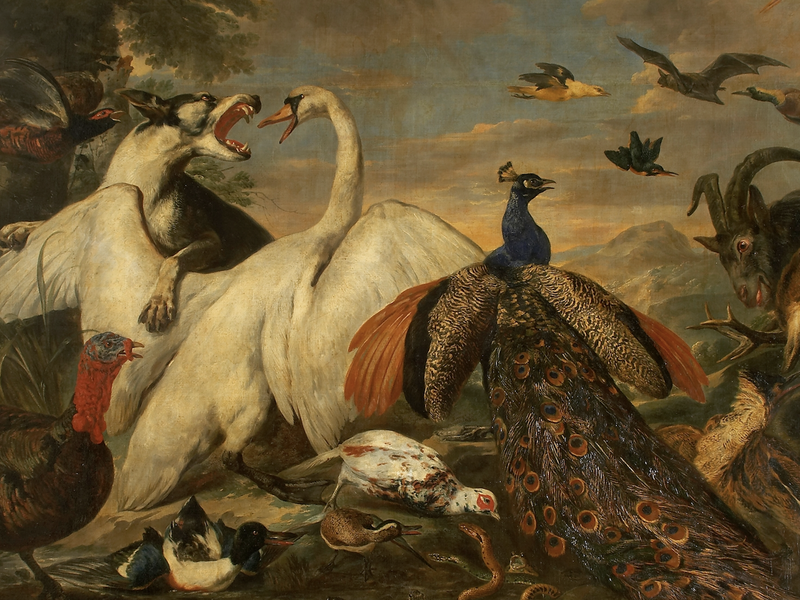
Biblical Bestiary and Covenant Creatures, Part 1: The Shared Spirit of Men and Beasts

Introduction From the very beginning, angels and animals have played mediating roles between God and Man. Just as the World was made three-tiered (Heaven, Earth, Deep), so the creatures were made (Angels, Men, Animals). Before Christ came to build the permanent bridge across the chasm between God and Man, various…

by Jonathan WhiteOctober 13, 2025
getty-images-nim1o1t51qq-unsplash
Matthew

Parables of Land and Sea in Matthew 13

Matthew 13, the third major discourse of the apostle’s gospel, is comprised almost entirely of parables. While it may seem that all the parables serve the same purpose in fulfilling the prophet Isaiah (Matthew 13:14), the parables found in verses 44–52, at the very least, function outside that purpose. This…

by David TownsendOctober 9, 2025
See all

Showing page 5 of 43

See all
Uncategorized

Augustine, Secularist?

O’Donovan makes the point, against Markus, that Augustine does not describe the earthly city as a combination of private ends and public or common utility. This would be a secular system, which leaves ends to individual citizens as they make use of common goods. O’Donovan says Augustine does something like…

February 28, 2008

Analogia Entis

Von Balthasar again: Creation is God’s free decision. There need not be a world. “But if he decides to create a world, then of course this decision can only take the form of the analogy of being, which is grounded in God’s very ‘essence’ itself. Created being must be by…

February 27, 2008

Revelation and nature

Von Balthasar says that grace presupposes a nature that is free from revelation: “If there is to be revelation, then it can only proceed from God to a creature - to a creature that precisely as a creature does not include revelation in its conceptual range.” Van Til is much…

February 27, 2008

Servant and friend

Von Balthasar puts the nature/grace distinction in simple terms, and ones that resonate with certain strains of Reformed theology: “It belongs to the very essence of the creature that it must indeed be creature, but not a creature who has been exalted to a new order of grace: by nature…

February 27, 2008

Gratuity and creatureliness

Rahner says that God’s self-gift “can and must” be an “ever astounding wonder, the unexpected, the unexacted gift.” In an extended footnote, he explains that this “can and must” means both that God’s self-communication is in fact unexacted, and that it must be of necessity . On the latter point:…

February 27, 2008

Self-communication

Rahner re-describes the nature/grace problem in terms of God’s self-communicating love, which is the final cause of creation and the first intention of God: “Everything else exists so that this one thing might be: the eternal miracle of infinite Love.” (Good Edwardsian supralapsarian, he.) But for Rahner, as for every…

February 27, 2008

Showing page 1560 of 2212

Browse by Category

In Medias Res

Your weekly digest for all things Theopolis.

Donate

Theopolis is nearly 100% donor-supported. Consider joining us on our mission.