Theopolis Logo

Writing

Explore our collection of theological essays, biblical studies, and reflections on faith and culture.

See all
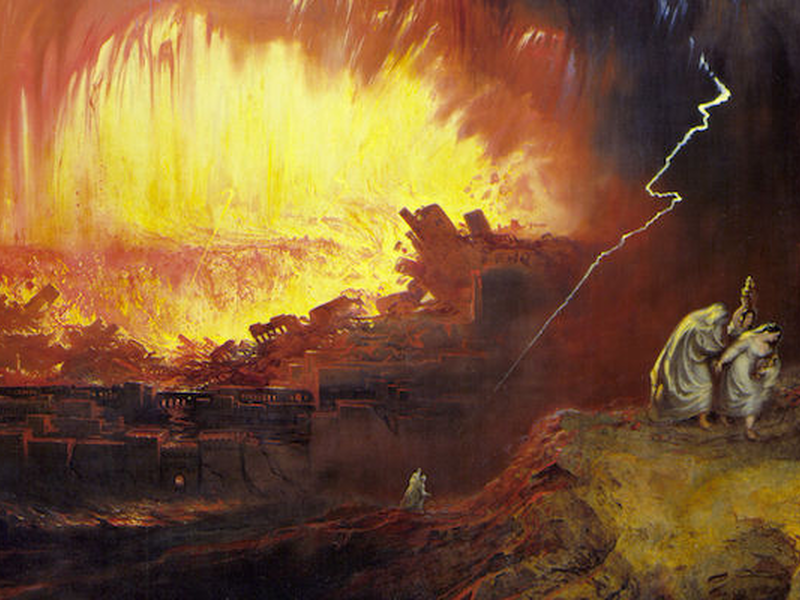
sodom
Judges

The Levite, the Concubine, and Israel's Story

The story of Judges 19 and the subsequent chapters are some of the most shocking and appalling accounts in all of Scripture. The callousness of the old host and the Levite, and the monstrous brutality of the men of Gibeah, leaves us feebly scrabbling for words by which to surmount…

by Alastair RobertsNovember 1, 2016
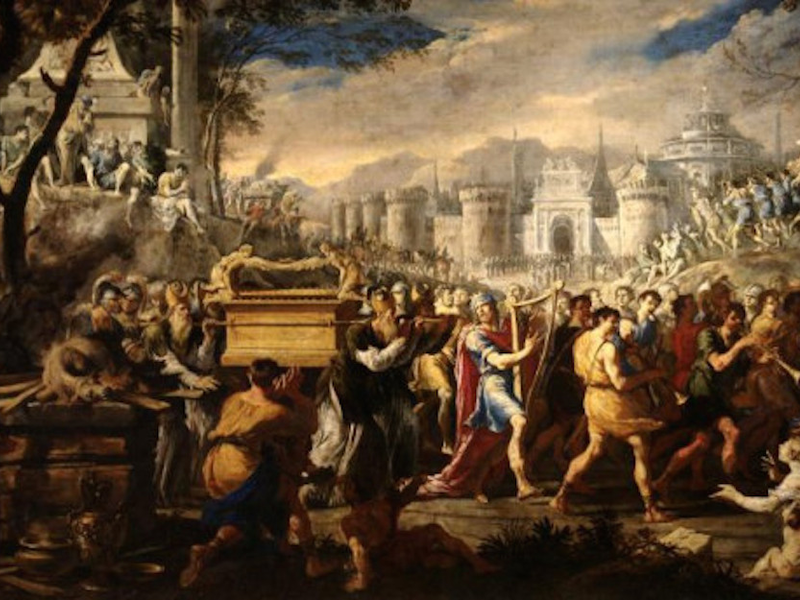
david-ark-2
Biblical Theology

Adam Ascended

David has become king. He has conquered the capital city of Jerusalem. He has brought the ark of Yahweh into the city and placed it in a tent. He has stationed Levites at the tent to offer sacrifices of praise. An anomaly hits him: He has a cedar-paneled palace, and…

by Peter LeithartOctober 27, 2016
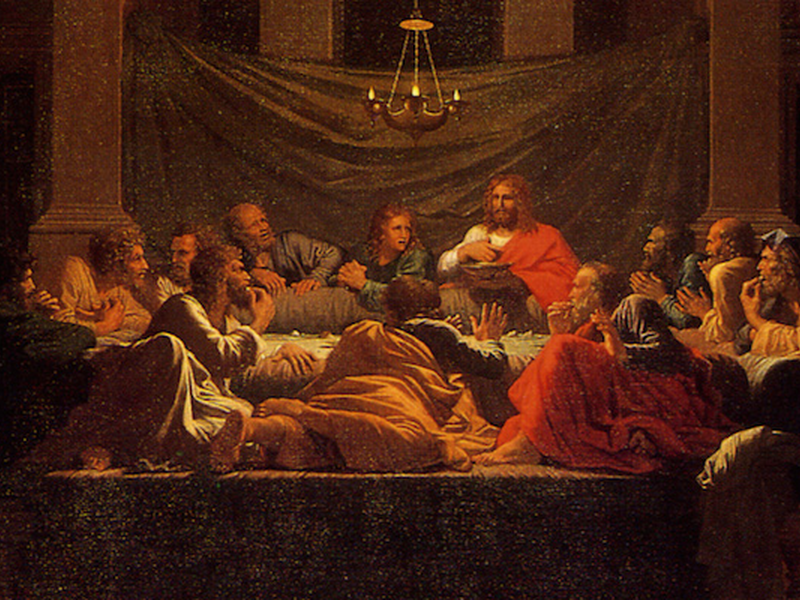
last-supper-2
Eucharist

The Epiclesis in the Reformed Eucharistic Prayer, 3

In Part 2 of this series we traced what we have of the development of the epiclesis in the liturgy of the Church. In this third and final part we’ll look at the theological implications of this and how we may apply what we’ve learned. As we saw in Part…

by Christopher KouOctober 25, 2016
jimpreaching
How to Worship

Reformational Catholicism, A Wish List

In a 2014 piece published in First Things , I offered a "wish list" for Protestant churches, a checklist for a future catholic Protestantism. The wish list doesn't cover everything. It doesn't mention those things that Protestants, especially Evangelicals, already do, often exceedingly well, things like missions and evangelism and…

by Peter LeithartOctober 20, 2016
last-supper-2
Eucharist

The Epiclesis in the Reformed Eucharistic Prayer, (Part 2)

In the first part of this series we examined the meaning of “blessing” in Scripture and its parallels in Jewish liturgical tradition, but did not find anything that we could properly call an epiclesis (an invocation of the Holy Spirit). We did find examples of invocation of Jesus to “come”…

by Christopher KouOctober 18, 2016
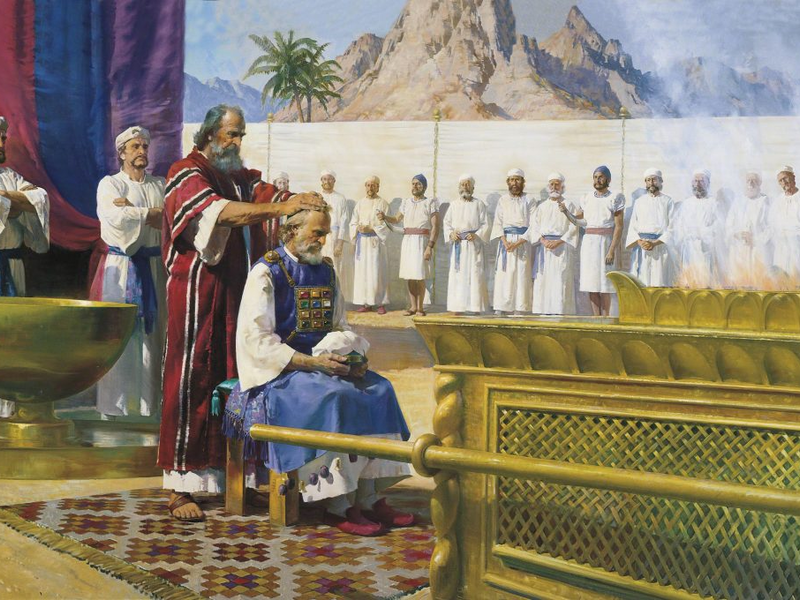
moses-gives-aaron-priesthood-39465-wallpaper
Baptism

Renewing Circumcision

When the Aaronic priests were ordained, the blood of the ram of "filling” was placed on the lobe of the right ear, the right thumb, and the right big toe (Lev. 8:22-24). Similarly, the cleansing rite for a leper included smearing the right ear lobe, thumb, and big toe with…

by Peter LeithartOctober 13, 2016

Showing page 123 of 309

See all

Showing page 5 of 43

See all
Philosophy

Autonomy and Tragedy

Early in his Tragic Sense of Life , Unamuno captures the profound connection between autonomy and tragic character in a passage of hyperventilating passion: “The visible universe, the universe that is created by the instinct of self-preservation, becomes all to narrow for me. It is like a cramped cell, against…

December 10, 2003

Chiasm in Romans 3:19-31

There’s something chiastic going on in 3:19-31 (or maybe 2:25-3:30). A. by works of law no flesh shall be justified, 19-20 B. Apart from law, righteousness of God is revealed, 21 C. righteousness through faith in Jesus—> for all have sinned, 22-23 D. being justified as a gift through Jesus…

December 10, 2003
Literature

Spenserian Humor

A touch of Spenserian humor: Spenser has a witch create a false Florimell (Book 3) for her slothful and unattractive son, who is smitten with the beauty of the real Florimell. The witch uses materials from Petrarchan love sonnets to construct the lady ?Eactual lamps for eyes, actual golden wire…

December 9, 2003
Literature

Spenser and Milbank

Spenser might provide a Milbankian response to Milbank’s endorsement of homosexual sex and “threesomes.” In Book 3 of The Faerie Queene , Spenser’s heroine is Britomart, the lady knight who represents a militant chastity directed toward marital and sexual consummation rather than a fearful virginity that simply avoids sex. Britomart…

December 9, 2003
Literature

Hero and Eros

William Allan Oram in a book on Spenser writes that “one of the fruitful false etymologies of the Renaissance was the derivation of HERO from EROS: by this understanding, love does not hinder noble deeds but spurs them on.”

December 9, 2003
Literature

Shakespeare for Readers

Also in the November 7 TLS (belatedly on my desk) is a review of Lukas Erne’s Shakespeare as Literary Dramatist , in which Erne challenges the popularly accepted notion that Shakespeare was writing for viewers rather than readers. He shows that plays were being written for publication in Shakespeare’s time,…

December 9, 2003

Showing page 2154 of 2212

Browse by Category

In Medias Res

Your weekly digest for all things Theopolis.

Donate

Theopolis is nearly 100% donor-supported. Consider joining us on our mission.