Theopolis Logo

Writing

Explore our collection of theological essays, biblical studies, and reflections on faith and culture.

See all
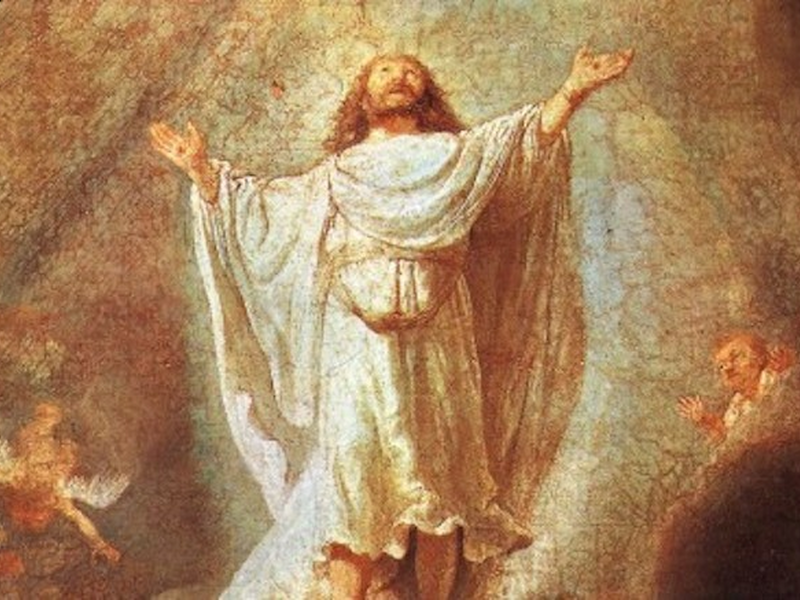
ascension-rembrandt
Ascension

Ascension and Eucharist

It’s a simple point, obviously biblical and creedal: Jesus of Nazareth ascended into heaven as the God-man, and He remains the God-man in all his specific particularity from now to the end. He is Jesus the Christ, the same yesterday, today, and forever. Duh! But Douglas Farrow shows in his…

by Peter LeithartMay 27, 2013

markus-winkler-aid-xyrtlec-unsplash
Theopolis News

Register for Trinity Term Class

You can now register for the very first Trinity House intensive class, "How to Read the Bible," taught by James Jordan and Peter Leithart. There will be a kick-off welcome for students on the evening of Sunday, August 25, and the class will be held at Trinity Presbyterian Church ,…

by Peter LeithartMay 22, 2013
chris-bair-ndczc5739ck-unsplash
Deuteronomy

Deuteronomy as Narrative-Law

This series of essays will address the food laws in Deuteronomy 14:1-21. To some, this may seem like a work of supererogation. After all, why should a Christian be interested in outdated “laws” from the book of Deuteronomy? I hope to show that meditation on this portion of Scripture is…

by Ralph Allan SmithMay 20, 2013
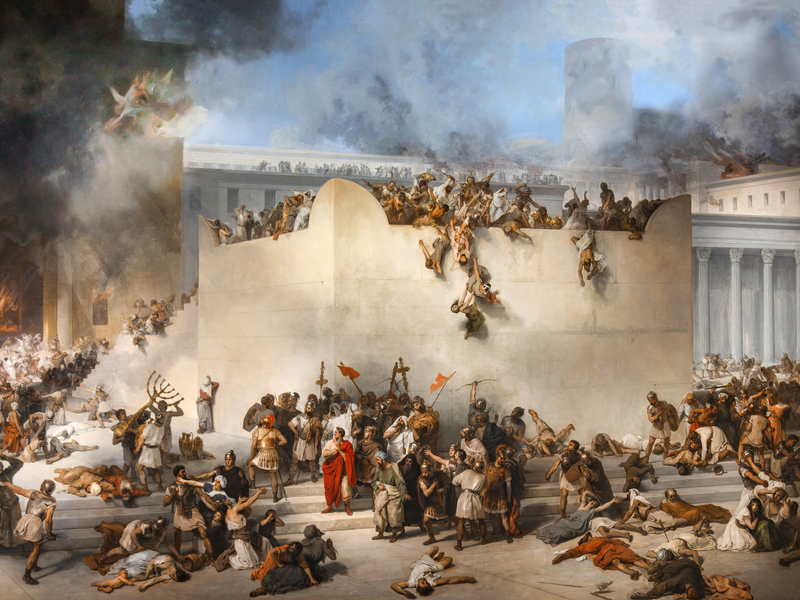
venice-la-distruzione-del-tempio-di-gerusalemme-francesco-hayez-gallerie-accademia-venice
Isaiah

Apocalyptic Patience

This essay was first published in 2011 in Credenda/Agenda . Isaiah 24 begins the section of Isaiah known as the “little apocalypse.” It’s a good name for this chapter. It’s a text of terror. The world is coming apart at the seams. The earth is emptied; and not only that,…

by Peter LeithartMay 15, 2013
sixteen-miles-out-al48tflf4e8-unsplash
Biblical Studies

Anti Anti-Supercessionism

This article was first published in 2010 in Credenda/Agenda . In recent years, mainstream theology has begun to recognize the disaster that followed from the Marcionism of classical liberalism. R. Kendall Soulen is a leading figure in efforts to restore the importance of the Old Testament to Christian theology. In…

by Peter LeithartMay 13, 2013
skyler-gerald-akljfvj5ym4-unsplash
Deuteronomy

Law and History: How to Read the Law of Moses

This is the last in a series of studies on Deuteronomy 22:30-23:8. In this series, I have offered an interpretation of Deuteronomy 22:30-23:8 which suggests that a simple surface reading of the text does not do justice to Moses’ or God’s intention, that the larger historical and legal context in…

by Ralph Allan SmithMay 8, 2013

Showing page 194 of 309

See all

Showing page 6 of 43

See all

Ahab in Micah

A student, Luke Nieuwsma, pointed out several references to Ahab in the prophecy of Micah. Micah 2:1-2 condemns those who covet fields and take them by violence, as Ahab did to Naboth; 6:15 is an explicit allusion to Omri and Ahab; and the “she” who is trampled like mud sounds…

December 12, 2006

Sermon Notes, Third Sunday of Advent

INTRODUCTION Modern Christians instinctively spiritualize the story of the gospel. When Jesus is called “King of the Jews,” we think that refers to His “spiritual” kingdom. Herod didn’t think so. Herod knew that Jesus’ birth was a threat to his power. THE TEXT “Now after Jesus was born in Bethlehem…

December 11, 2006

Eucharistic meditation, Second Sunday of Advent

Psalm 23:1: The Lord is my Shepherd; I shall not want. At Jesus’ birth, shepherds come to worship Him because He is the chief Shepherd. He is Shepherd Yahweh in human flesh. He is the Shepherd of Israel. He is the Davidic king who will shepherd His people with skillful…

December 10, 2006

Exhortation, Second Sunday of Advent

As we’ll see in the sermon this morning, in the Bible a “shepherd” is a king. Shepherds lead, guide, rule, control, feed, discipline, and judge their sheep. To say that Jesus is the Good Shepherd is to say He’s king of His people, king of all. Jesus’ kingship is not…

December 10, 2006

Lacan’s style again

Terry Eagleton puts it this way: “for Lacan all discourse is, in a sense, a slip of the tongue: if the process of language is as slippery as he suggests, we can never mean precisely what we say, or say precisely what we mean. Meaning is always in some sense…

December 7, 2006

Lacan’s style again

Terry Eagleton puts it this way: “for Lacan all discourse is, in a sense, a slip of the tongue: if the process of language is as slippery as he suggests, we can never mean precisely what we say, or say precisely what we mean. Meaning is always in some sense…

December 7, 2006

Showing page 1754 of 2212

Browse by Category

In Medias Res

Your weekly digest for all things Theopolis.

Donate

Theopolis is nearly 100% donor-supported. Consider joining us on our mission.