Theopolis Logo

Writing

Explore our collection of theological essays, biblical studies, and reflections on faith and culture.

See all
screen-shot-2020-07-28-at-7-12-05-am
Wisdom

iMago Moi

So God created man in His own image, in the image of God He created him; male and female He created them. Genesis 1:27 In an ever-increasing barrage of self-obsession and tailor-made realities, how does the Christian navigate the waters of being someone who experiences life in the first person…

by Garrett SoucySeptember 29, 2020

img_4726-copy
Economics

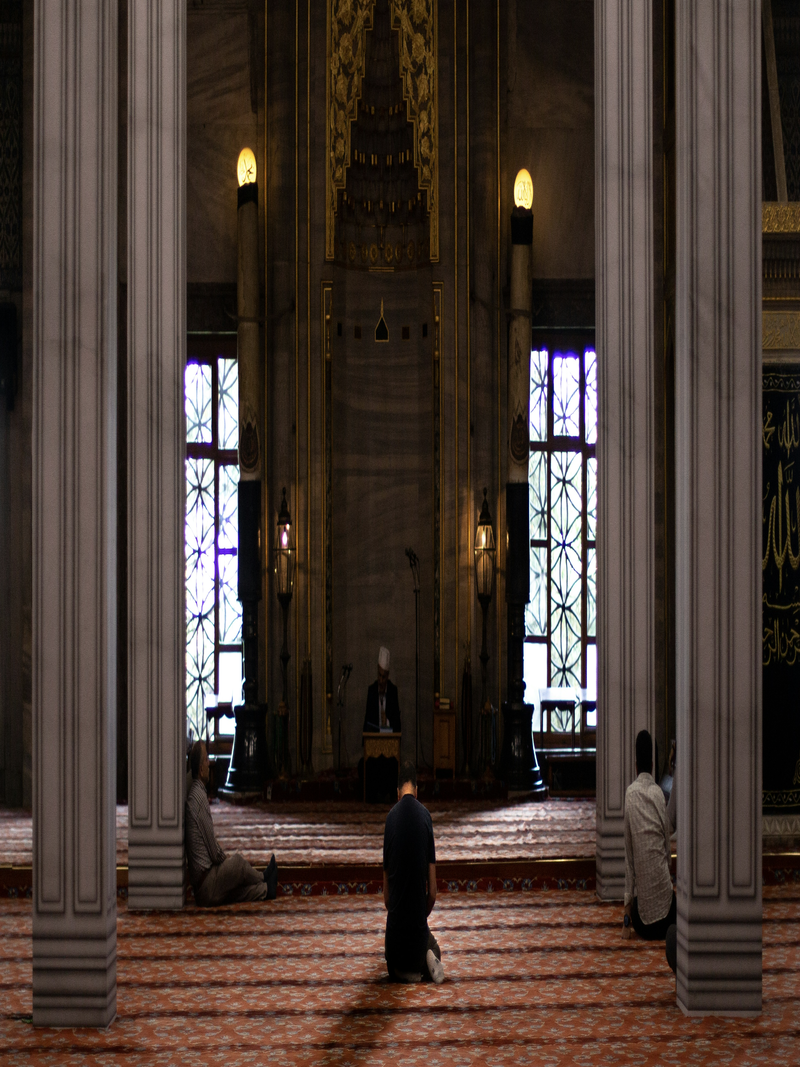
Theses on Church Music and Economics

American church music is in a slump. To get out of the slump, we need a 10-year plan, a 50-year plan, and a 100-year plan. Many are doing extraordinary work on reforming church music in the near-term, and a few in the mid-term. What is desperately needed is the 100-year…

by John AhernSeptember 22, 2020
lazarus-2-2
Parables

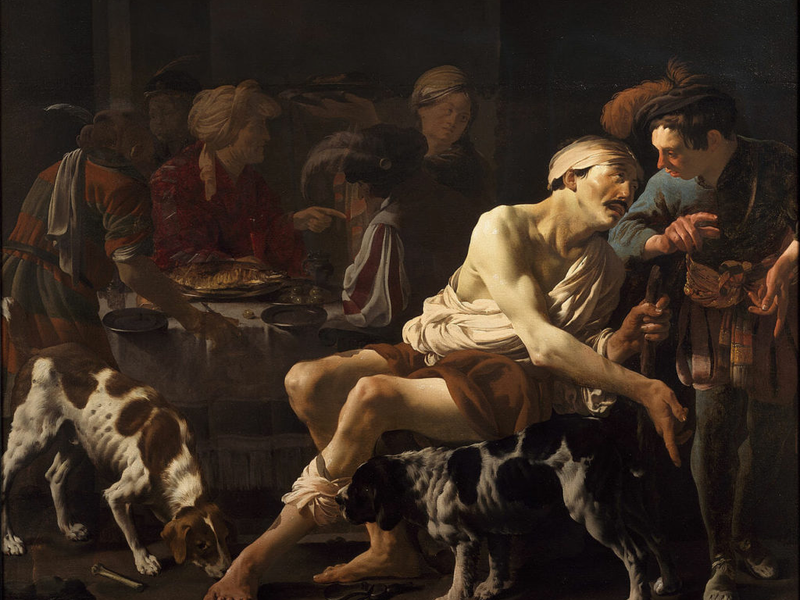
The Parable of Lazarus and the Rich Man

The following is an excerpt from The Maker Versus the Takers: What Jesus Really Said About Social Justice and Economics ¸ by Jerry Bowyer (New York, Fidelis Books, Post Hill Press, 2020), release date Sept. 15 th . The section below argues that the ‘Rich Man’ in the parable refers…

by Jerry BowyerSeptember 15, 2020
absaloms_death
Biblical Studies

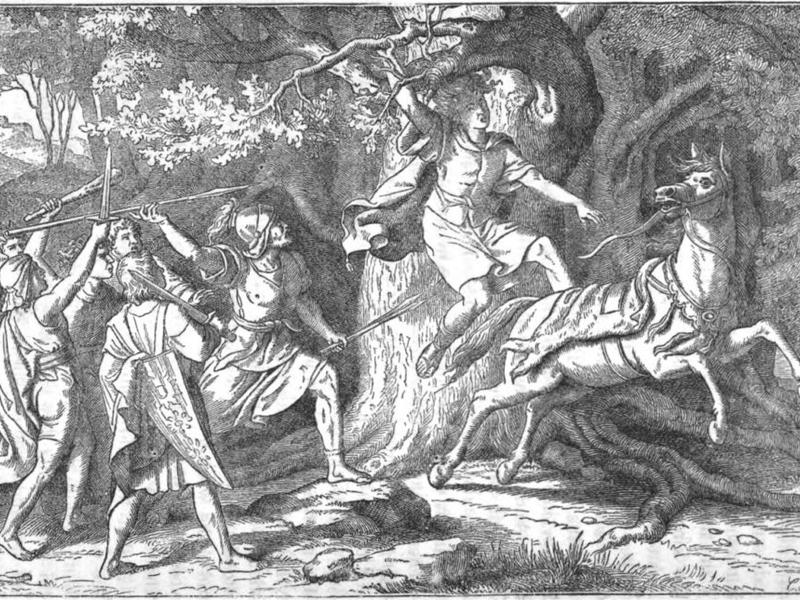
Death on a Tree: Absalom as Jesus-Type

Could Absalom be a Christ-type? If you know much about the Bible, you likely have an immediate aversion to even the possibility of answering this question in the affirmative. Absalom was third among David’s sons, while Amnon—his brother from another mother—was first (2 Sam. 3:2-3). As Absalom’s story begins, it…

by Eric RobinsonSeptember 8, 2020
giveusbarabbas
Biblical Studies

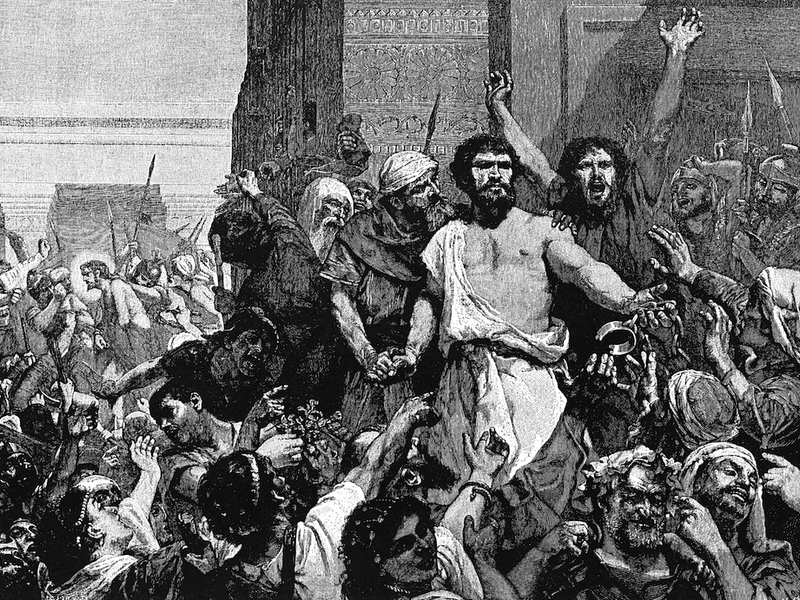
Barabbas

All four Gospels not only associate Barabbas and Jesus quite unabashedly, they do so emphatically and with a deep theological message. The scene is well-known. In His trial before Pontius Pilate, though Jesus had been declared innocent more than once, there seemed to be no hope of releasing Him. Pilate…

by Ralph Allan SmithSeptember 1, 2020
jim-jordan-teaching-2
Theopolis News

Announcement: The James B. Jordan Prize

The Theopolis Institute is pleased to announce the second round of the James B. Jordan Prize to honor outstanding doctoral dissertations in biblical theology. James Jordan is one of the most insightful biblical scholars of our time. The Jordan Prize exists to encourage more of the deep Scriptural investigation of…

by TheopolisAugust 31, 2020

Showing page 63 of 309

See all

Showing page 6 of 43

See all
History

Smokin’ like a Christian

English fairs in earlier centuries displayed wares and displays from all over the world. At one there was an animal described as “a noble creature, which much resembled a Wild Hairy man” whose main skill was to doff his hat and show “his respects to the Company, and smoaks a…

October 14, 2006
Literature

The Moral of Henry V

Much of the moral and political import of Shakespeare’s Henry V is left to the audience’s or reader’s judgment. Is Henry a “pig” or is he the mirror of Christian kings? Is his invasion of France fair or foul? Shakespeare doesn’t show his hand, or not much; and one is…

October 14, 2006
Literature

The climax of Coriolanus

George Barnam notes the careful structure of Act 5 of Shakespeare’s Coriolanus: “Shakespeare had used this scene structurally to build the tension toward the climactic moment when Volumnia should appeal to her son and prevail. Three appeals are made to Marcius, and Shakespeare’s presentation of them matches in structure the…

October 14, 2006
History

Sports and the sacred

A reader wrote to respond to my suggestion that high culture is “sacred” and pop culture “profane,” citing the example of sports. Here’s my response: A football game often is a quasi-religious experience, but I’m not sure we use the same language to describe it. If someone slashed da Vinci’s…

October 14, 2006
Literature

Desacralized drama

In their “cultural history” of English drama, Simon Shepherd and Peter Womack summarize the argument of Glynne Wickham concerning the divorce of stage and sacred: “The English stage - so the argument runs - was predominantly a religious one until Elizabethan Protestantism forced a separation between theatre and the central…

October 14, 2006
History

Civil war and criticism

As Marsden describes it, the growth of neoclassical literary sensibilities developed in part in reaction to the chaos and disorder of the English civil war - following in this regard the development of late 17th century political theory. Orderliness, definiteness, clarity became virtues, while ambiguity, double entendres, and inconclusiveness became…

October 13, 2006

Showing page 1777 of 2212

Browse by Category

In Medias Res

Your weekly digest for all things Theopolis.

Donate

Theopolis is nearly 100% donor-supported. Consider joining us on our mission.