Theopolis Logo

Writing

Explore our collection of theological essays, biblical studies, and reflections on faith and culture.

See all
untitled-design
Culture

True Humanism: Jesus, Marx, or Jenner?

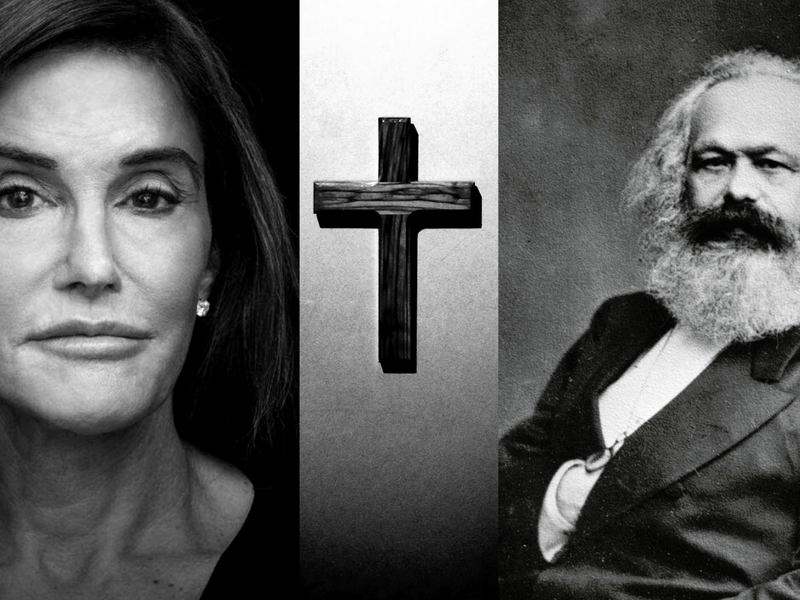
Many contemporary thought leaders have spoken intriguingly about a future without Jesus or, to be more precise, a future in which the transcendent truths of the Christian faith hold little or no sway over society. More to the point, these thought leaders often pose as anthropologists who find Christianity dehumanizing…

by Bruce AshfordMarch 15, 2022

screen-shot-2022-03-08-at-10-58-44-am
Biblical Theology

Jesus Wept: A Prologomena to a Biblical Theology of Healing

Jeffery Bishop’s magisterial The Anticipatory Corpse concludes with a question: “Might it not be that only theology can save medicine?” 1 To that question I want to give not merely a general affirmation, but a particular affirmation. Not only can “only theology save medicine” but, in fact, only a biblical…

by Mark BriansMarch 8, 2022
kyler-nixon-urkdeazlvtq-unsplash
How to Worship

Songs of Mature Reflection: Toward a Theopolitan Hymnody

John Ahern recently made the case on this site for having shorter hymnals. “ I believe hymnals should be shorter than they are ”, he says. “ Much shorter. 100 hymns at most. ” Swap hymnal for “repertoire”, or “hymns” for “worship songs” and it all still applies. A big…

by Rhys LavertyMarch 1, 2022
psalms
Course Announcement

Regional Course: How to Sing the Psalms

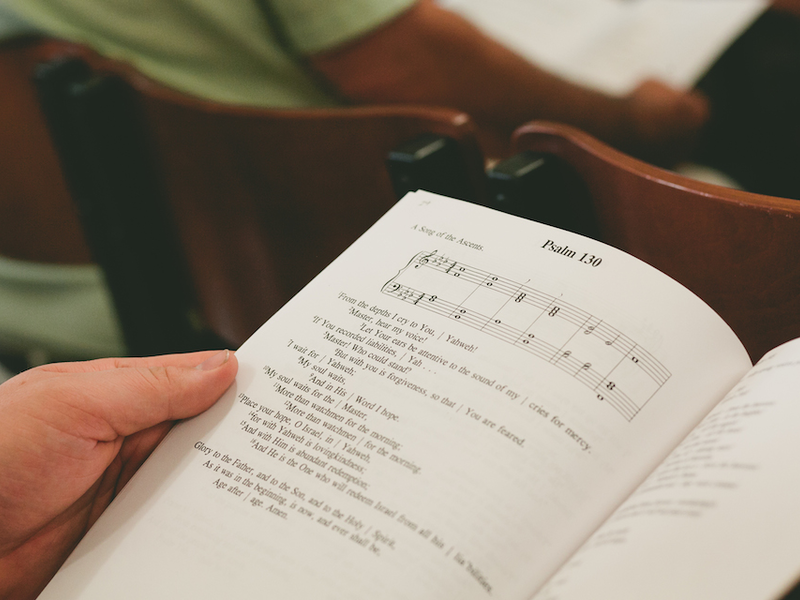
The Psalter is the hymnbook of the church. For too long, the psalter has taken a far-secondary place in the worship of God's people. And when psalms are sung, they are often changed drastically from what the Spirit gave us. In this course, Paul Buckley and Brian Moats will explore…

by Brian MoatsFebruary 28, 2022
beige-and-brown-child-photo-moms-collection-youtube-intro-2
Theopolis News

Jordan Prize Winner

The Theopolis Institute is pleased to announce that Dr. Trevor Laurence is the winner of the 2021 James B. Jordan Prize for outstanding work in biblical theology. Dr. Laurence receives this award for his 2020 Exeter dissertation, “Cursing With God: The Imprecatory Psalms and the Ethics of Christian Prayer.” Laurence…

by Peter LeithartFebruary 25, 2022
48986
Culture

Mark Driscoll, Ergun Caner and the Factions and Fictions of Evangelicalism

In late 2013 two nearly simultaneous events happened in evangelicaldom: Mark Driscoll was publicly accused of “plagiarism” and Ergun Caner was hired as the president of a Christian college. The first appears to be the first domino that would lead eventually to Driscoll resigning as the pastor of Mars Hill…

by John CarpenterFebruary 22, 2022

Showing page 46 of 309

See all

Showing page 6 of 43

See all

Conveniens

Bauerschmidt notes that Aquinas frequently argues, especially when speaking of the incarnation, not for “proof” of doctrine but for its “fittingness.” Reason has the role of “manifesting how [the incarnation] fits together (convenire means literally ‘to come together’) with other things that Christians hold true about God.” Perhaps this can…

March 23, 2006

Extra-Augustinisticum

In Epistle 137, Augustine writes: “The Christian teaching nowhere holds that God was so poured into human flesh as either to desert or lose - or to transfer and, as it were, compress within this frail body - the care of governing the universe. This is the thought of people…

March 23, 2006

Thomas on Merit

Commenting on ST I-II, q. 109, Frederick Bauerschmidt says that Thomas uses the word “merit” analogically when we speak of God rewarding human action “since we can act in the first place only because God has given us the capacity to act.” This applies even to Jesus: “even when Thomas…

March 23, 2006

On Seneca, de Beneficiis, Books 1-2

Seneca suggests that ingratitude is the worst of vices, and nothing is more “harmful to society” than ingratitude (I.1). Later in Book I, he lists a series of moral ills that plague society – “homicides, tyrants, thieves, adulterers, ravishers, sacrilegious, traitors” – but concludes that “worse than all these is…

March 23, 2006
Literature

Prospero the Magus

I am grateful to Ralph Smith for references to Frances Yates’ work on Shakespeare’s plays. In an analysis of The Tempest, Frances Yates writes: “It is inevitable and unavoidable in thinking of Prospero to bring in the name of John Dee, the great mathematical magus of whom Shakespeare must have…

March 22, 2006
History

Elizabethan Magic

Educated Elizabethans lived in a world of similitudes. As EMW Tillyard argued, the Elizabethan world picture was constituted by a series of analogous chains of being. The social world manifested and was manifested by the natural world; the universe as a whole resembled human beings; there was a hierarchy among…

March 22, 2006

Showing page 1867 of 2212

Browse by Category

In Medias Res

Your weekly digest for all things Theopolis.

Donate

Theopolis is nearly 100% donor-supported. Consider joining us on our mission.