Theopolis Logo

Writing

Explore our collection of theological essays, biblical studies, and reflections on faith and culture.

See all
or
Abortion

Political Hermeneutics: The Argument From Silence, Part 2

Click HERE for part 1. III This leads to a further question. I have argued that silence cannot by itself establish a Scriptural principle, but does Scripture’s silence carry any weight in itself? Does the fact that something is unbiblical in a weak sense tell us anything at all? In…

by Peter LeithartMarch 13, 1990
hebrew-manuscript-6
Biblical Chronology

Groping Through the Gaps

Although nowadays gap theories are associated with dispensationalism, it was not always so. In the nineteenth century, scholars from a variety of backgrounds (Anglican, Reformed, and proto-fundamentalist) seem to have become fascinated by gaps. If you are not familiar with what I am talking about, this newsletter will acquaint you…

by James B. JordanFebruary 26, 1990
or
Abortion

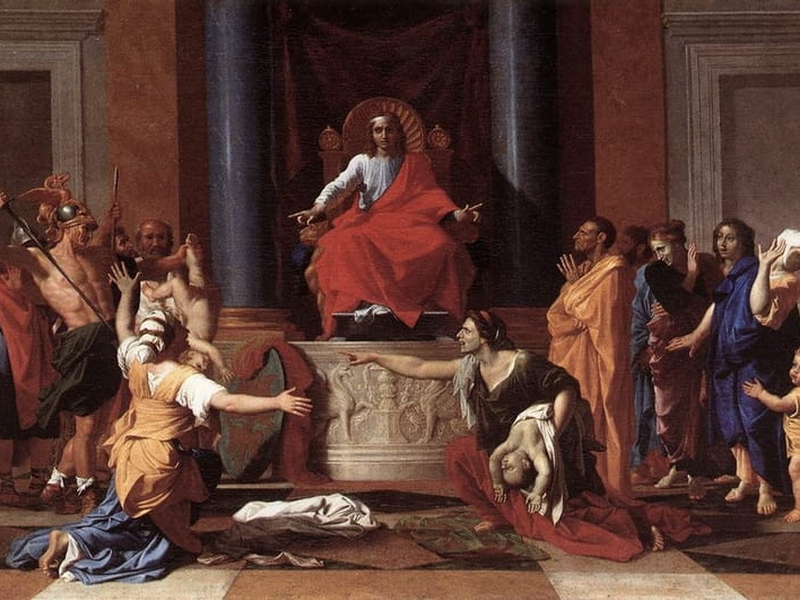
Political Hermeneutics: The Argument from Silence, Part 1

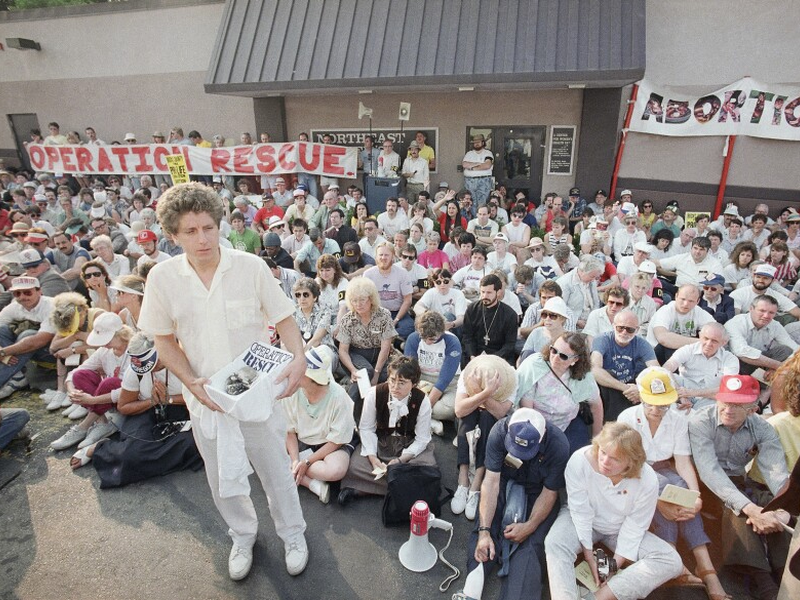
If the debate over Operation Rescue has proven anything, it has proven that there is absolutely no consensus among evangelicals in general, or among "reconstructionists" in particular, about how to use the Bible to judge political actions and movements. Each side of the debate claims biblical authority for its position,…

by Peter LeithartFebruary 13, 1990
49980-nicolas_poussin_-_the_judgment_of_solomon_-_wga18330-800w-tn
Biblical Studies

Advice From a Sojourner, Part 4

Two things I asked of Thee, Do not refuse me before I die: Keep deception and words of falsehood far from me, Give me neither poverty nor riches, Feed me with the food that it my portion, Lest I be full and deny Thee, And say, "Who is the LORD?"…

by James B. JordanFebruary 2, 1990
image-2
Biblical Horizons

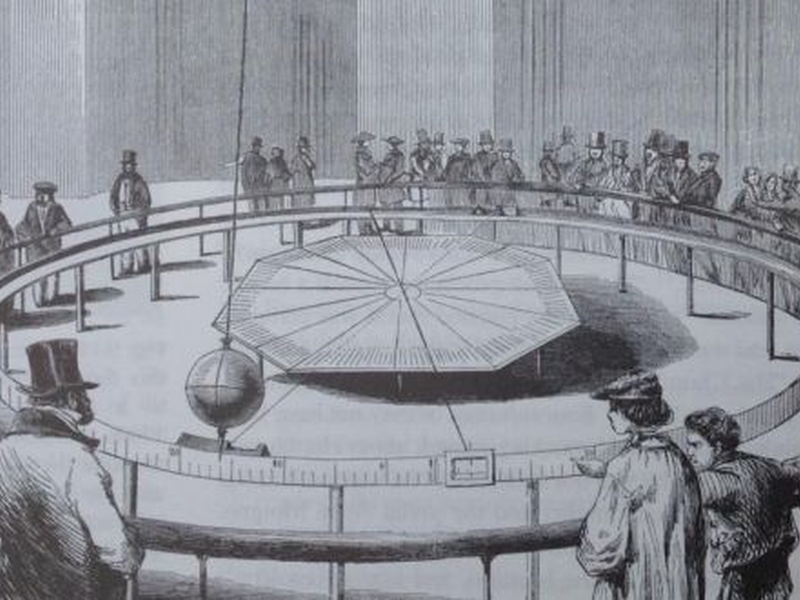
Foucault’s Pendulum

Umberto Eco’s "The Name of the Rose" was certainly one of the best literary works of the past decade, though the film version hardly measured up to it. Now Eco has given us a new novel, "Foucault’s Pendulum." Like Rose, Foucault’s Pendulum reflects on the limitations of human knowledge, and…

by James B. JordanJanuary 26, 1990
tanner-mardis-xuxghzhibn4-unsplash-1-2
Biblical Studies

What Is “Interpretive Maximalism”?

From time to time people ask me about "interpretive maximalism." They want to know what it is, and sometimes want to know if it represents some departure from the Reformed grammatico-historical, Biblico-theological approach to the Bible. I have something of a problem with these questions, because "interpretive maximalism" is not…

by James B. JordanJanuary 26, 1990

Showing page 305 of 309

See all

Showing page 6 of 43

See all

Empty Vestments

John's description of the harlot city (Revelation 17:4-5) that he sees in the wilderness is written in four clauses: She is clothed; she is gilded; she holds something in her hand; and she has a name on her forehead. These four clauses describe seven pieces of the harlot's attire and…

October 21, 2015

Love, Law, and Wrath

Robert Jenson grasps the attractions of antinomianism: “perhaps only on the edge of antinomianism does the true bite of the gospel appear” ( Ezekiel , 62). Yet Christians must stop short of the edge, because “falling over that edge is . . . the disaster of faith.” This is not…

October 21, 2015
Rosenstock-Huessy

The Soul of Eugen Rosenstock-Huessy

When I published some articles on the German-American philosopher Eugen Rosenstock-Huessy (1888-1973) on the web a decade or more ago, I received an email from Norman Fiering, Director and Librarian Emeritus of the John Carter Brown Library at Brown University. A student of Rosenstock-Huessy’s at Dartmouth College during the 1950s,…

October 20, 2015

Apocalyptic Porn

The verb porneuo and noun porneia are prominent themes in Revelation. Two of the seven churches of Asia are warned about factions that commit acts of immorality (2:14, 20), and the great harlot Babylon fornicates with the kings of the earth (17:2; 18:3, 9). The noun form, porneia , appears…

October 20, 2015

Against the “Hebrew Bible”

Not surprisingly, Robert Jenson spends a lot of time in his Brazos commentary on Ezekiel talking about Trinity and Christology and other topics that biblical scholars would tell him do not appear in Ezekiel's prophecy. He knows that his method will offend “the modern exegetical academy's chief dogma,” namely, the…

October 20, 2015

Violence and the End

“Eschatology and violence are intrinsically connected,” writer Robert Jenson ( Ezekiel , 76). So much the worse for eschatology, one might say. It needs to be purged from Scripture and theology. The problem, Jenson says, is that when we purge the violence, “nothing is left” (76, fn 5). The violence…

October 20, 2015

Showing page 361 of 2212

Browse by Category

In Medias Res

Your weekly digest for all things Theopolis.

Donate

Theopolis is nearly 100% donor-supported. Consider joining us on our mission.