Theopolis Logo

Writing

Explore our collection of theological essays, biblical studies, and reflections on faith and culture.

See all
puritans
History

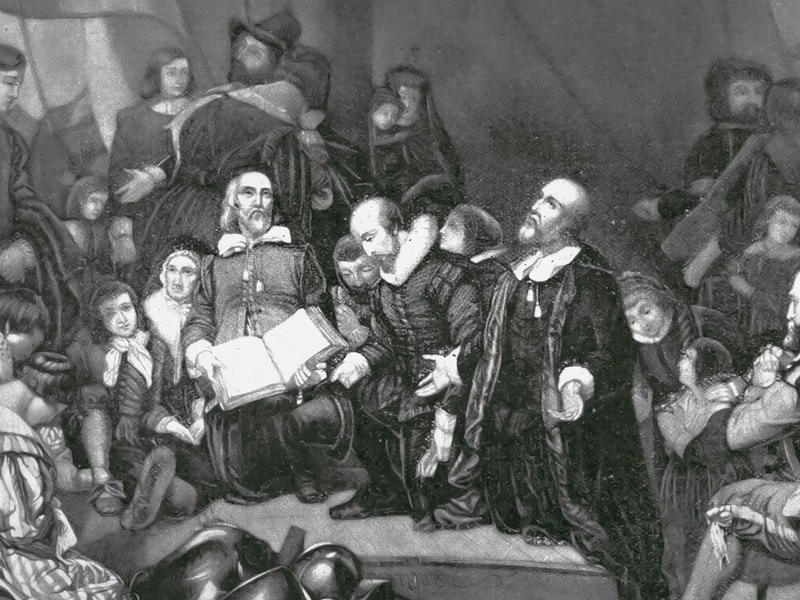
Congregational Theocracy: That Time Theocrats Ran Puritan New England

Timon Cline wrote recently that “theonomists” didn’t run Puritan New England. 1 He is correct, in his major thesis, that the claim that “Puritanism and the natural law tradition are antithetical” is “wildly ahistorical.” Mr. Cline demonstrates that Puritans repeatedly extolled natural law. Besides the Puritan sources Mr. Cline mustered,…

by John CarpenterAugust 9, 2022

screen-shot-2022-08-04-at-9-36-57-am
Mark

The Land of the Walking Trees

The Church is the land of the walking trees. In Mark’s Gospel, the identity of Jesus is slowly and progressively revealed. Though St. Mark announces at the beginning of his narrative that Jesus Christ is “the Son of God” (1:1), this is a reality that must be spoon-fed to His…

by Jackson ShepardAugust 4, 2022
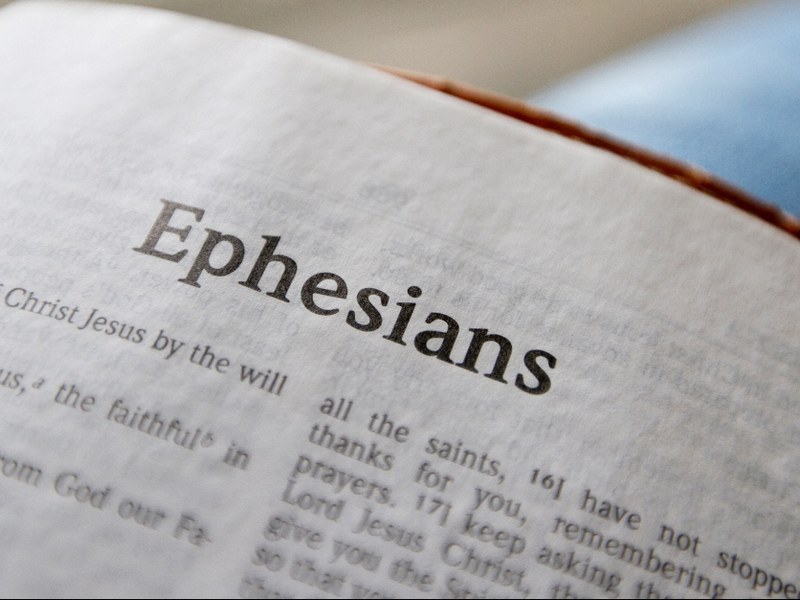
11982-sparrowstockephesians
Ephesians

The Significance of Ephesians (with a comparison to Romans)

All Scripture is of ultimate significance as the word of God, but it may be helpful to think about what makes a book (in this case, a letter) possibly unique within the canon. In this case, the “general” nature of Ephesians should stand out, but it often is not recognized…

by Mark HorneAugust 2, 2022
davide-ragusa-g32g_ibprfa-unsplash
Ecclesiastes

A Time to Kill (Ecclesiastes 3:3)

Where do we draw the lines between what is right and wrong? This question is fundamental to civilization, fundamental to a free society. To put this question in the bluntest and most offense terms: if there is a time to kill — which Solomon says there is — whom shall…

by Ralph Allan SmithJuly 28, 2022
screen-shot-2018-04-12-at-9-48-08-am
Biblical Horizons

Broadening Our View of the Trinity

This article was originally posted in May of 1994. We speak of God as Father, Son, and Holy Spirit. The early Church tended to speak of Him as Father, Word, and Spirit. In this short essay, I want to suggest some other ways to think of the Trinity, ways that…

by James B. JordanJuly 26, 2022
jonahwhale-1552x900
Jonah

Journeying Prophets in Kings

Jonah’s Home The story of JONAH belongs in the book of KINGS. JONAH balances the story of the unnamed Judean prophet (1K13) in KINGS’ literary structure. Each story describes a journeying prophet that crosses land or sea to confront a wayward king. The two stories are located during the reigns…

by Scott FairbanksJuly 21, 2022

Showing page 41 of 309

See all

Showing page 7 of 43

See all

Ideology of the Picturesque

In The Historical Austen , William Galperin notes that Austen understood that certain kinds of realistic art or aesthetics could naturalize and “realize” what is really only an ideological construct. And he notes the somewhat surprising political ramifications of such aesthetic theories. He points to the theory of the picturesque,…

August 11, 2007

Root of bitterness

Watch that no root of bitterness grow up, Hebrews 12:15 warns. What’s a root of bitterness? Sounds like someone who’s bitter in the church. But Deuteronomy 29:18 uses a similar phrase to describe those who turn aside from Yahweh to serve other gods. This fits the context of Hebrews very…

August 9, 2007

Cursed joylessness

Yahweh curses Israel for breaking covenant. More specifically, Israel will become a sign and wonder to the nations “because you did not serve Yahweh your God with joy and a glad heart, for the abundance of all things” (Deuteronomy 28:47). What satisfies God is not just obedience, but joyful obedience.

August 9, 2007
Literature

Austen and the Stuarts

In her history of England, written at 15, Austen declares her favor toward the Stuart dynasty. She writes comically, but beneath the fun she is in earnest. Irene Collins notes that her mother, Cassandra Leigh “liked to remember that her ancestor Thomas Leigh had received a baronetcy for welcoming Charles…

August 7, 2007
Literature

Jane Austen and the Presbyterians

Austen was a life-long Anglican, born to a C of E clergyman, with many C of E ministers in her extended family and ancestry and circle of acquaintances. Irene Collins notes, “Her maternal grandfather and her great uncle had been clergymen; so were her godfather, one of her uncles, two…

August 7, 2007
Literature

Christian politeness

Vicesimus Knox (1752 - 1821) - English minister, essayist, and campaigner for the end of war - was educated at St. John’s Oxford, where George Austen (1731-1805), Jane’s father, was a student and tutor in classics, and Knox later became Headmaster of Tonbridge School, which George Austen had attended as…

August 7, 2007

Showing page 1650 of 2212

Browse by Category

In Medias Res

Your weekly digest for all things Theopolis.

Donate

Theopolis is nearly 100% donor-supported. Consider joining us on our mission.