Theopolis Logo

Writing

Explore our collection of theological essays, biblical studies, and reflections on faith and culture.

See all
tree-2
Creation

This Is Our Home

In the beginning, this was home. The world, I mean. Creation wasn’t just a series of unconnected events, a flashy display of building prowess. Yes, creation was intended to give God glory—which I guess you could say means that the creation was supposed to show the greatness—the weight —of God.…

by Tim GallantSeptember 19, 2017
img_5107
Theopolis News

Theopolis Institute Regional Course: Who is God?

We think we know. God is a stern Rule-Maker who has a bit of an anger management problem. Or, God is the indulgent Daddy in the sky. Or, God used to be a stern Ruler, but he got nice. Christians don't believe any of that. Christians say the one God…

by TheopolisSeptember 19, 2017
e99a2313
Baptism

God is Shouting, "Baptism Saves!"

Unfortunately today, baptism seems so… tiny . It’s actually… cute (maybe sweet?) when it’s given to a child. A little baby, a small gathering of people, a little bowl of water, tiny drops sprinkled upon the little baby’s head followed by a small applause and a short prayer. How… small!…

by Mani MarprelateSeptember 14, 2017
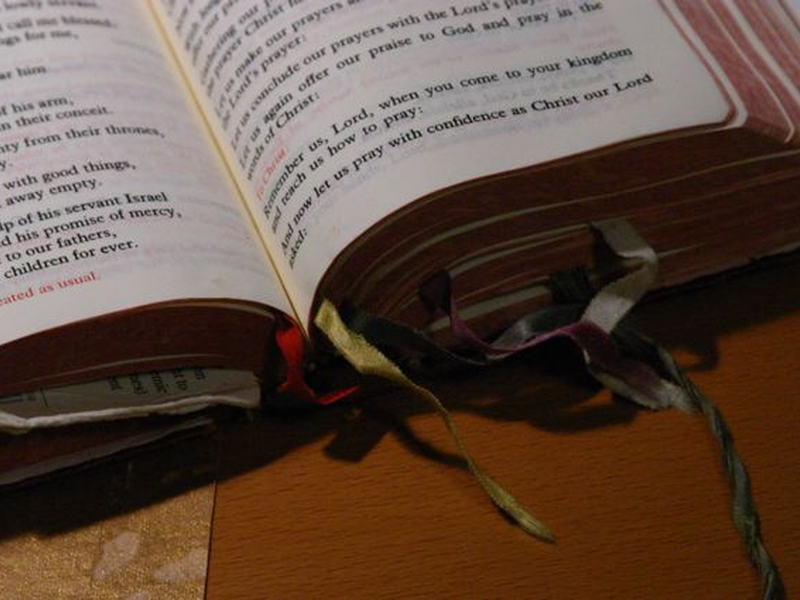
breviaryworn
Prayer

Reflections on Reformation: Why Pray the Hours?

Early on in the history of the church, Christians understood that the 1st century Jewish practice of meeting for prayer at set times of the day was a good and biblical practice to continue. We find references to this in several places in Scripture. In Acts 3 we find Peter…

by Timothy LeCroySeptember 12, 2017
emmanuel-phaeton-1bwmfmvybi8-unsplash
Biblical Studies

Navigating and Celebrating the Complexity of Scripture: A Conversation with Richard Hays

Editors’ note: For those interested in a review of Richard Hays’s latest book, see here . Richard Hays is a renowned New Testament scholar. The professor of New Testament at Duke Divinity School originally studied English literature, giving his reading of Scripture a pronounced literary sensibility. He’s perhaps best known…

by Alastair RobertsSeptember 7, 2017
hebrew-manuscript-2
Genesis

Toledoth and the Structure of Genesis

As many commentators point out, Genesis is structured by 10 uses of the word toledoth , "generations." The word means something along the lines of "begotten things," and the toledoth statements head the various sections of Genesis. When Genesis 2:4 announces "these are the begettings of heaven and earth" and…

by Peter LeithartSeptember 5, 2017

Showing page 106 of 309

See all

Showing page 7 of 43

See all
History

Smokin’ like a Christian

English fairs in earlier centuries displayed wares and displays from all over the world. At one there was an animal described as “a noble creature, which much resembled a Wild Hairy man” whose main skill was to doff his hat and show “his respects to the Company, and smoaks a…

October 14, 2006
Literature

The Moral of Henry V

Much of the moral and political import of Shakespeare’s Henry V is left to the audience’s or reader’s judgment. Is Henry a “pig” or is he the mirror of Christian kings? Is his invasion of France fair or foul? Shakespeare doesn’t show his hand, or not much; and one is…

October 14, 2006
Literature

The climax of Coriolanus

George Barnam notes the careful structure of Act 5 of Shakespeare’s Coriolanus: “Shakespeare had used this scene structurally to build the tension toward the climactic moment when Volumnia should appeal to her son and prevail. Three appeals are made to Marcius, and Shakespeare’s presentation of them matches in structure the…

October 14, 2006
History

Sports and the sacred

A reader wrote to respond to my suggestion that high culture is “sacred” and pop culture “profane,” citing the example of sports. Here’s my response: A football game often is a quasi-religious experience, but I’m not sure we use the same language to describe it. If someone slashed da Vinci’s…

October 14, 2006
Literature

Desacralized drama

In their “cultural history” of English drama, Simon Shepherd and Peter Womack summarize the argument of Glynne Wickham concerning the divorce of stage and sacred: “The English stage - so the argument runs - was predominantly a religious one until Elizabethan Protestantism forced a separation between theatre and the central…

October 14, 2006
History

Civil war and criticism

As Marsden describes it, the growth of neoclassical literary sensibilities developed in part in reaction to the chaos and disorder of the English civil war - following in this regard the development of late 17th century political theory. Orderliness, definiteness, clarity became virtues, while ambiguity, double entendres, and inconclusiveness became…

October 13, 2006

Showing page 1777 of 2212

Browse by Category

In Medias Res

Your weekly digest for all things Theopolis.

Donate

Theopolis is nearly 100% donor-supported. Consider joining us on our mission.