Theopolis Logo

Writing

Explore our collection of theological essays, biblical studies, and reflections on faith and culture.

See all
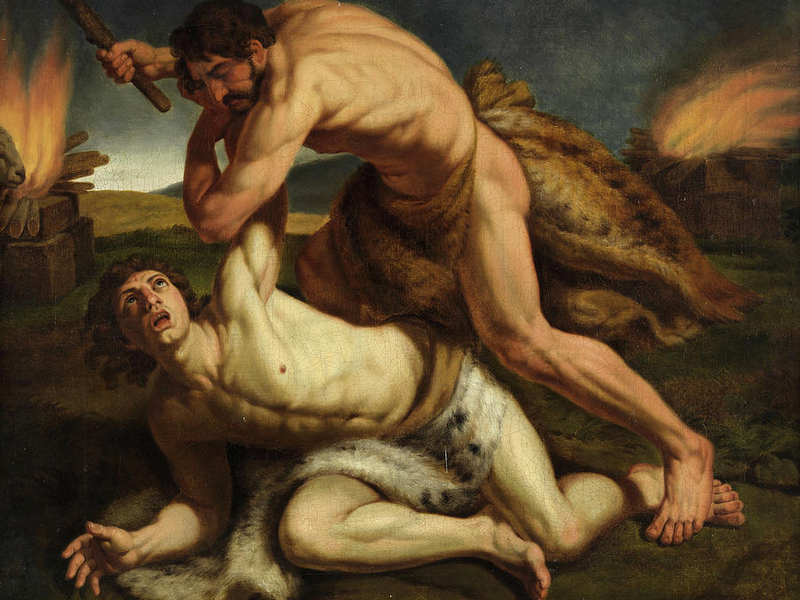
cain-killing-abel-unknown-19th-century
Biblical Theology

The Gospel of Genealogy

Genesis 3 ends on a decisive, and decisively negative, note. Yahweh “drove the man out” of the garden, and, in addition, “at the east of the garden of Eden He stationed the cherubim, and the flaming sword which turned every direction, to guard the way to the tree of life.”…

by Peter LeithartJuly 15, 2014

screen-shot-2017-08-16-at-11-40-48
Books

Catholic Novelist

When she died in 2005 at the age of 72, Anna Haycraft, the author who published under the name Alice Thomas Ellis, was a celebrated writer in Great Britain. While working at Duckworth Publishers(which her husband owned), she produced a dozen novels, a collection of short stories, a cookbook, volumes…

by Peter LeithartJuly 9, 2014
523501ldsdl
History

Postmodernism and Me

Some have suggested recently that my "project" is postmodern. To clarify my views on postmodernism, I'm re-posting something I wrote in 2005, with a few modifications. For a fuller discussion, you can check out my Solomon among the Postmoderns (Canon, 2008). First, it is helpful to distinguish, as many writers…

by Peter LeithartJuly 8, 2014
306571rgsdl
Ezekiel

Holy City

Calling Jerusalem the "holy city" comes so naturally to Christians that it comes as something of a surprise to realize how infrequently the phrase is used in Scripture. Not only is Jerusalem rarely called holy, but in the Old Testament this classification is found only in texts that refer to…

by Peter LeithartJuly 3, 2014
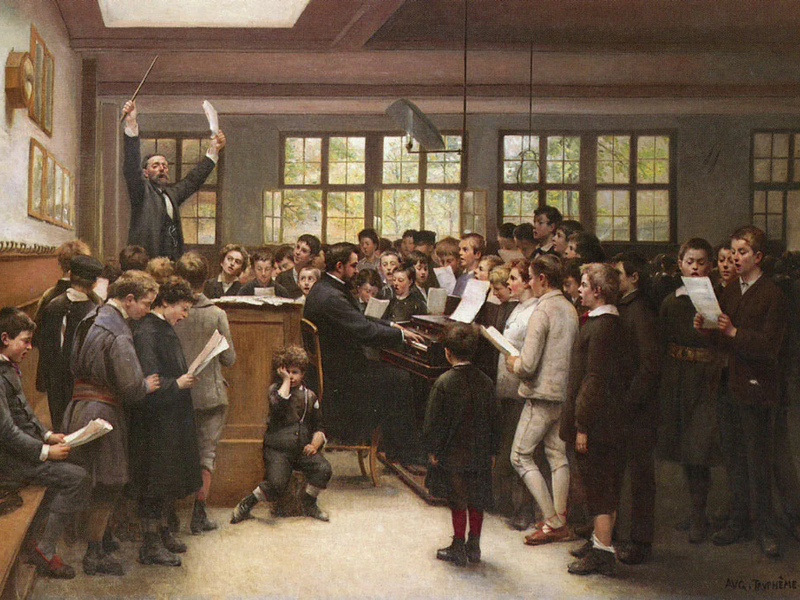
the-choir-lesson-auguste-joseph-trupheme-oil-painting
How to Worship

The Lame Can't Dance

Asking why the church doesn’t sing hymns or even why men don’t sing in church is a bit like lamenting over the lame man who can’t waltz on the dance floor. While it is a valid question, the more immediate question would seem to be, “why doesn’t the lame man…

by Jarrod RicheyJune 30, 2014
ben-white-w8qqn1pmqh0-unsplash
Heresy

Heretics in the Latter Days: The Theme of 1 Timothy

The theme of 1 Timothy is the distinction between the true children in the Household of God and false children who really belong to the household of Satan. This is seen in the fact that in the chiastic structure of the Epistle, heresy is the subject in the center (…

by Joseph NorrisJune 18, 2014

Showing page 172 of 309

See all

Showing page 7 of 43

See all
History

Smokin’ like a Christian

English fairs in earlier centuries displayed wares and displays from all over the world. At one there was an animal described as “a noble creature, which much resembled a Wild Hairy man” whose main skill was to doff his hat and show “his respects to the Company, and smoaks a…

October 14, 2006
Literature

The Moral of Henry V

Much of the moral and political import of Shakespeare’s Henry V is left to the audience’s or reader’s judgment. Is Henry a “pig” or is he the mirror of Christian kings? Is his invasion of France fair or foul? Shakespeare doesn’t show his hand, or not much; and one is…

October 14, 2006
Literature

The climax of Coriolanus

George Barnam notes the careful structure of Act 5 of Shakespeare’s Coriolanus: “Shakespeare had used this scene structurally to build the tension toward the climactic moment when Volumnia should appeal to her son and prevail. Three appeals are made to Marcius, and Shakespeare’s presentation of them matches in structure the…

October 14, 2006
History

Sports and the sacred

A reader wrote to respond to my suggestion that high culture is “sacred” and pop culture “profane,” citing the example of sports. Here’s my response: A football game often is a quasi-religious experience, but I’m not sure we use the same language to describe it. If someone slashed da Vinci’s…

October 14, 2006
Literature

Desacralized drama

In their “cultural history” of English drama, Simon Shepherd and Peter Womack summarize the argument of Glynne Wickham concerning the divorce of stage and sacred: “The English stage - so the argument runs - was predominantly a religious one until Elizabethan Protestantism forced a separation between theatre and the central…

October 14, 2006
History

Civil war and criticism

As Marsden describes it, the growth of neoclassical literary sensibilities developed in part in reaction to the chaos and disorder of the English civil war - following in this regard the development of late 17th century political theory. Orderliness, definiteness, clarity became virtues, while ambiguity, double entendres, and inconclusiveness became…

October 13, 2006

Showing page 1777 of 2212

Browse by Category

In Medias Res

Your weekly digest for all things Theopolis.

Donate

Theopolis is nearly 100% donor-supported. Consider joining us on our mission.