Theopolis Logo

Writing

Explore our collection of theological essays, biblical studies, and reflections on faith and culture.

See all
cloister

Gatekeepers

1 Chronicles 9:1 seems to bring the genealogies of 1 Chronicles to an end. The Chronicler has recorded the genealogy of the human race from Adam, focusing on the descendants of Abraham through Jacob. Summing it all up, he says, “So all Israel was enrolled by genealogies; and behold, they…

by Peter LeithartJune 21, 2016
trinity-1-2
Trinity

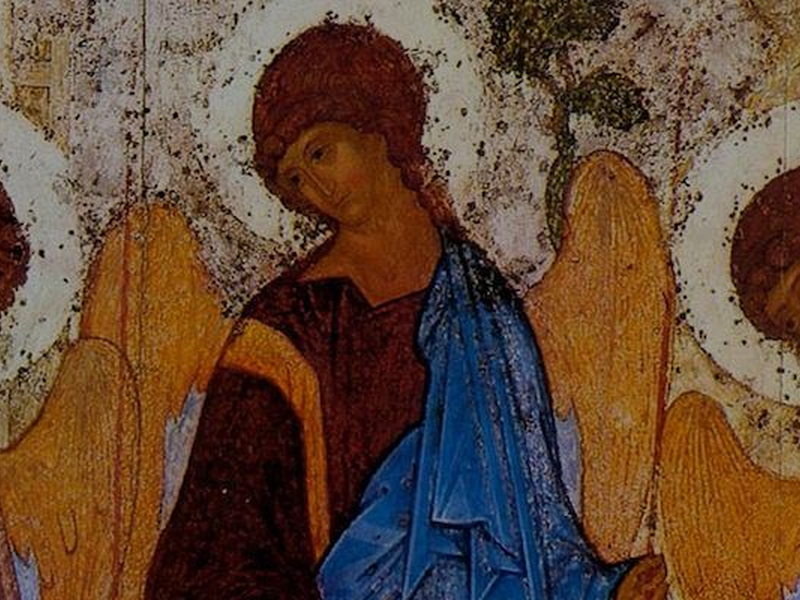
Are the Divine Persons Persons?

The “personalist” understanding of the Trinity, articulated most influentially in the work of John Zizioulas, has fallen on hard times. Recent scholars have attacked Zizioulas’s idea that Cappadocian Trinitarianism represented an ontological revolution, hammering on the distinction between divine and human personhood. Michel Barnes’s conclusion is the most drastic of…

by Peter LeithartJune 16, 2016
img_4660-2
Architecture

On Biblical Theology

Biblical Theology is often defined as the historical unfolding of God’s revelation, or of God’s revelation and of the history of his covenantal redemption and transformation of humanity and the world. In practice, Biblical Theology is usually broader than this, and also includes the study of literary structure and of…

by James B. JordanJune 14, 2016
laughing_statue_by_xxbobbiie-d5f0meh-2
Humor

Wise Laughter

We are made to be happy. Created to enter into the eternal joy of God, our whole being inclines to that end, but the fallen world has put forth barriers and by our own sin we bar ourselves from that endless delight, and death blinds us to that reality. Yet…

by Remy WilkinsJune 7, 2016
img_7664
Liturgy

Why Theopolis? Take Two

At the end of Revelation, John sees the heavenly city descending to earth. The city shines with the brilliance of God's glory, which lightens the nations, so that kings bring their glory to the city. This is not a vision of the final new heaven and new earth. It's a…

by Peter LeithartJune 2, 2016
trinity-1-2
Attributes of God

How Can We Talk About God?

“No one has ever seen God,” writes John (John 1:18). If this is the case, then how can we speak about God? Some people say we actually cannot. Or at least we cannot speak about God positively, i.e. who He is. We can only say who or what God is…

by Bogumil JarmulakMay 31, 2016

Showing page 130 of 309

See all

Showing page 7 of 43

See all
Theology

Image of God

Gil Baillie, working in a Girardian framework, suggests that the claim that man is made in the image of God means “this creature can only fulfill its destiny by becoming like someone else. So counterinstinctual and counterintuitive is such a thing, that the likelihood of this creature actually fulfilling such…

April 29, 2006
History

Creative destruction

Vitz suggests that postmodern thought has been largely an act of “creative destruction” serving as an “expose, in the best sense of the term.” The result is “a much large intellectual framework within which everyone, including Christians, can function. It provides a much bigger framework than that which existed fifty…

April 29, 2006
History

Modern self

Paul Vitz describes the modern self this way: “The modern self is characterized by such things as freedom and autonomy, by a strong will, and by the presumption that the self is self-created by the will, operating freely in its construction. The self is assumed to be strong, capable, and…

April 29, 2006
Philosophy

Metanarratives

Many Christians find Lyotard’s claim that postmodernity is incredulity toward metanarratives directly contrary to Christian faith, but James KA Smith offers an interpretation of Lyotard’s that is not hostile to Christianity. For Lyotard, he argues, the issue is not so much the scope of the narrative as the claims they…

April 29, 2006
History

Anti-antimedievalism

David Burrell writes, “Modernity was fairly constituted by a quite specific opposition to medieval thought, as we have noted, so could be called ‘post’ or even ‘antimedieval’ . . . this mode of thinking proceeded by avoiding, if not aggressively removing, any reference to creation and the creator/creature relation. It…

April 29, 2006

Cosmic mediation

Philo’s views on the mediation of the logos are summarized in the TDNT article on mediator: “Stretching from the middle of the world to the ends, and back from the extreme edges to the middle . . . [the logos] holds together all the parts of the world . .…

April 29, 2006

Showing page 1849 of 2212

Browse by Category

In Medias Res

Your weekly digest for all things Theopolis.

Donate

Theopolis is nearly 100% donor-supported. Consider joining us on our mission.