Theopolis Logo

Writing

Explore our collection of theological essays, biblical studies, and reflections on faith and culture.

See all
tanner-mardis-xuxghzhibn4-unsplash-1-2
Biblical Studies

Tweets-turned-Notes on the Bible’s Chronology

Summary In what follows, I will consider the “year-stamps” employed in Scripture, i.e., statements of the form, “Such-and-such an event took place in the Xth year of Y.” In the process, I will suggest some ways in which the Biblical narrative might relate to events in the extra-Biblical world, though…

by James BejonJuly 16, 2019
durer-prodigal-son-2
Luke

Perspectives on the Prodigal, (Part 2)

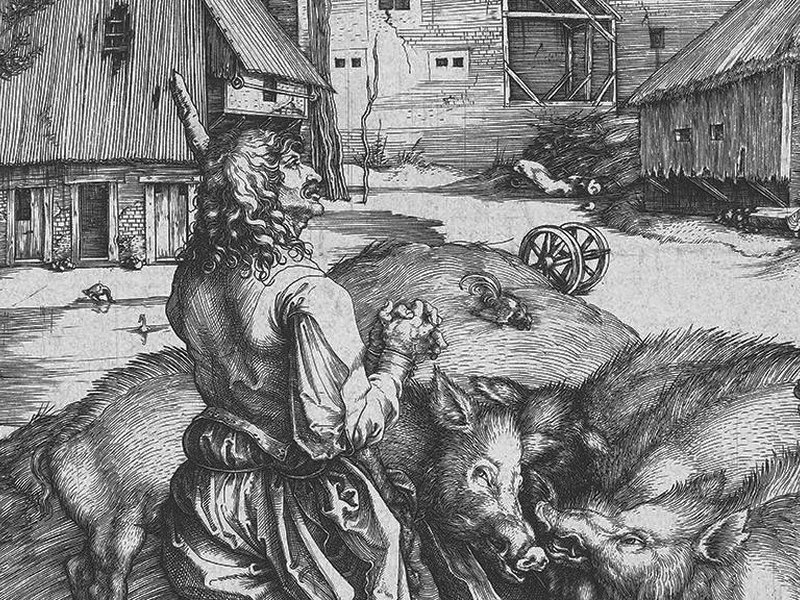
In the first essay on the parable of the Prodigal Son, I suggested that the problems commentators and others encounter in interpreting Jesus three-part parable are not accidental. These are not just problems in our ignorance of cultural background. They are intentional features of the stories —stories designed to poke…

by Ralph Allan SmithJuly 11, 2019
durer-prodigal-son-2
Luke

Perspectives on the Prodigal, (Part 1)

The story of the Prodigal Son is perhaps the most well-known story in the Bible. As others have observed, it may also be one of the most misunderstood. In two short essays, I will point out features of this story that are commonly neglected, aspects of Jesus’ parable that might…

by Ralph Allan SmithJuly 9, 2019
de-rijke-man-en-de-arme-lazarus-by-jacopo-da-ponte-16th-century
Luke

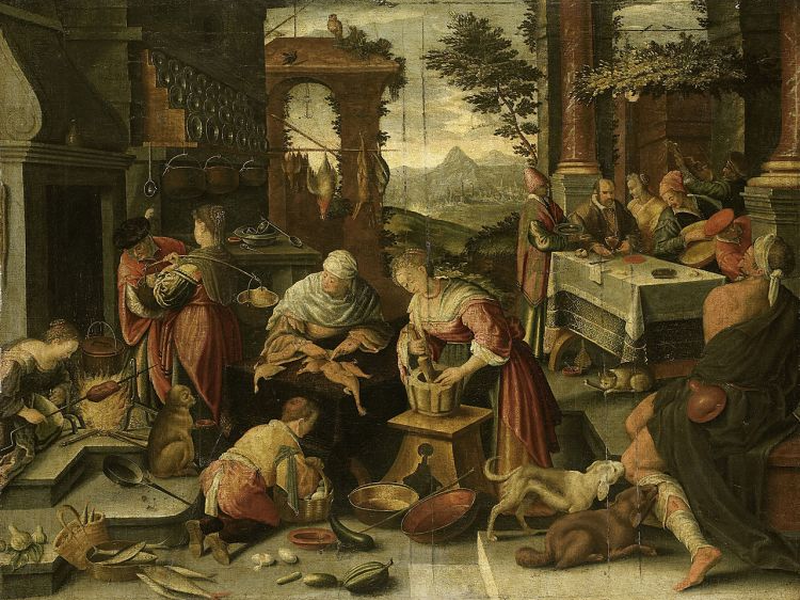
Lazarus and the Rich Man

The parable of Lazarus and the nameless rich man is not an independent story. It is part of a long context that begins in Luke 15:1, where Jesus is eating with tax collectors and sinners and the scribes and Pharisees grumble. In response to their hardheartedness, Jesus tells a three-part…

by Ralph Allan SmithJuly 4, 2019
aaron-burden-uynrnfdkjwg-unsplash
Luke

Everybody has Dropsy - Luke 14:1-24

The Bible is written so that even when a reader cannot pick up on what might be deeper or more detailed aspects of a text, there is virtually always a message to be heard. In the ancient world, where the “reader” of Scripture would likely be a church official facing…

by Ralph Allan SmithJuly 2, 2019
communion
Biblical Theology

Fruit Trees and Grain Plants

The distinction between garden (or vineyard) and field begins in Genesis 2. This relates to the ordering of the formless world. Plants of the field are contrasted with the garden planted by God in Genesis 2:5&8. Later on, under the Old Covenant the Israelites will be required to keep their…

by James B. JordanJune 27, 2019

Showing page 77 of 309

See all

Showing page 7 of 43

See all
Politics

Machiavelli on Ingratitude

From Book 1 of the Discourses on Livy: FOR WHAT REASONS THE ROMANS WERE LESS UNGRATEFUL TO THEIR CITIZENS THAN THE ATHENIANS Whoever reads of the things done by Republics will find in all of them some species of ingratitude against their citizens, but he will find less in Rome…

March 21, 2006

What Plato Owed Athens

Socrates’ explanation of his willingness to submit to the laws of Athens, from the Crito. Since he owes the city his very existence, he has no right to renounce the laws when they turn against him: Soc. “And was that our agreement with you?” the law would say, “or were…

March 21, 2006
History

Renaissance on ingratitude

A few quotations from Renaissance writers on the subject of ingratitude, drawn from Catherine Dunn’s excellent 1946 CUA dissertation on the subject: Lodowick Bryskett argued that ingratitude was contrary to reason: “How shamefull a thing is it therefore to man, that brute beasts should give him examples of gratitude; and…

March 21, 2006

Persians and ingratitude

Xenophon describes the Persian training of boys in the Cyropaedia (1.2.6-7), highlighting the effects of ingratitude: “The boys go to school and give their time to learning justice and righteousness: they will tell you they come for that purpose, and the phrase is as natural with them as it is…

March 21, 2006

Aristotelian gratitude

Some excerpts from Aristotle’s discussion relevant to gratitude in Nicomachian Ethics. First, a treatment of the reasons for making return on a benefit received (from 9.1): “But who is to fix the worth of the service; he who makes the sacrifice or he who has got the advantage? At any…

March 21, 2006

Parenthood

Katherine Marsh writes in the March 13 TNR that parenthood is not what it was cracked up to be. Instead of bringing fulfillment and happiness, it turns out that parenthood is difficult, and a number of recent articles and studies have suggested that parents are more “sad, distracted or depressed”…

March 14, 2006

Showing page 1869 of 2212

Browse by Category

In Medias Res

Your weekly digest for all things Theopolis.

Donate

Theopolis is nearly 100% donor-supported. Consider joining us on our mission.