Theopolis Logo

Writing

Explore our collection of theological essays, biblical studies, and reflections on faith and culture.

See all
or
Abortion

Political Hermeneutics: The Argument From Silence, Part 2

Click HERE for part 1. III This leads to a further question. I have argued that silence cannot by itself establish a Scriptural principle, but does Scripture’s silence carry any weight in itself? Does the fact that something is unbiblical in a weak sense tell us anything at all? In…

by Peter LeithartMarch 13, 1990

hebrew-manuscript-6
Biblical Chronology

Groping Through the Gaps

Although nowadays gap theories are associated with dispensationalism, it was not always so. In the nineteenth century, scholars from a variety of backgrounds (Anglican, Reformed, and proto-fundamentalist) seem to have become fascinated by gaps. If you are not familiar with what I am talking about, this newsletter will acquaint you…

by James B. JordanFebruary 26, 1990
or
Abortion

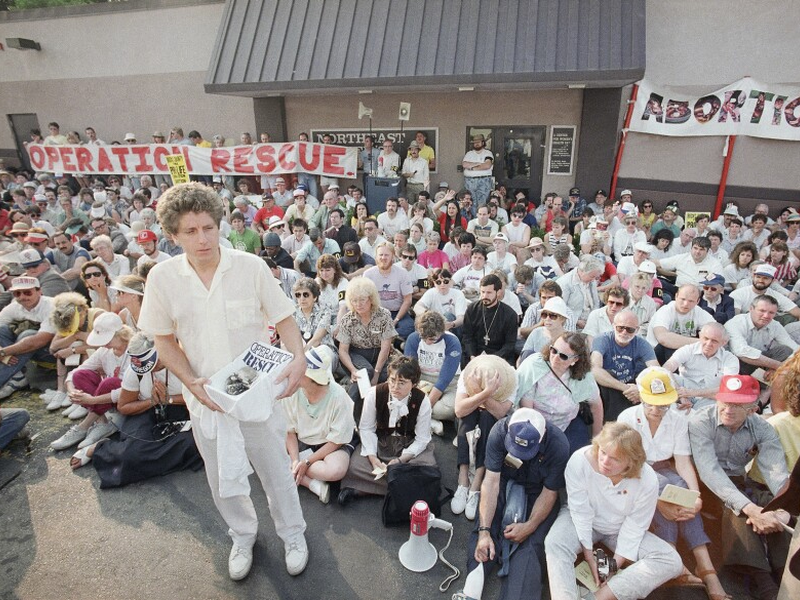
Political Hermeneutics: The Argument from Silence, Part 1

If the debate over Operation Rescue has proven anything, it has proven that there is absolutely no consensus among evangelicals in general, or among "reconstructionists" in particular, about how to use the Bible to judge political actions and movements. Each side of the debate claims biblical authority for its position,…

by Peter LeithartFebruary 13, 1990
49980-nicolas_poussin_-_the_judgment_of_solomon_-_wga18330-800w-tn
Biblical Studies

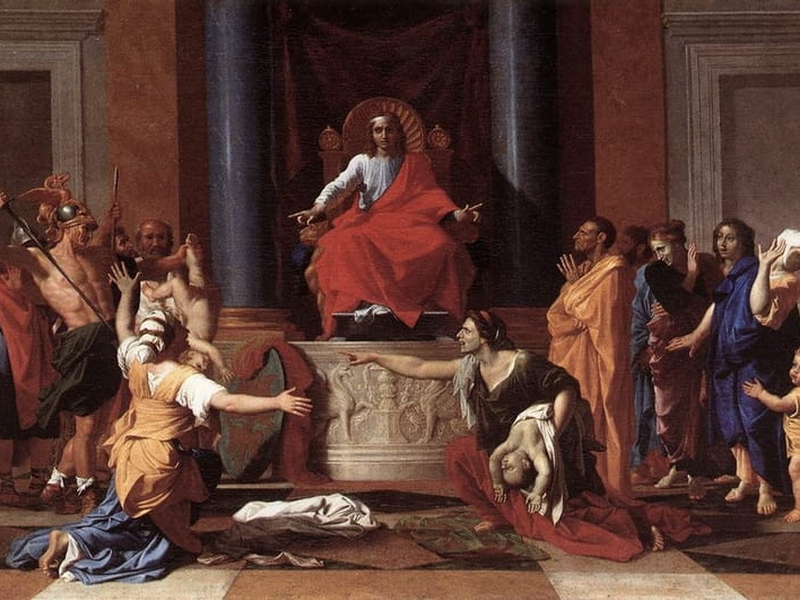
Advice From a Sojourner, Part 4

Two things I asked of Thee, Do not refuse me before I die: Keep deception and words of falsehood far from me, Give me neither poverty nor riches, Feed me with the food that it my portion, Lest I be full and deny Thee, And say, "Who is the LORD?"…

by James B. JordanFebruary 2, 1990
image-2
Biblical Horizons

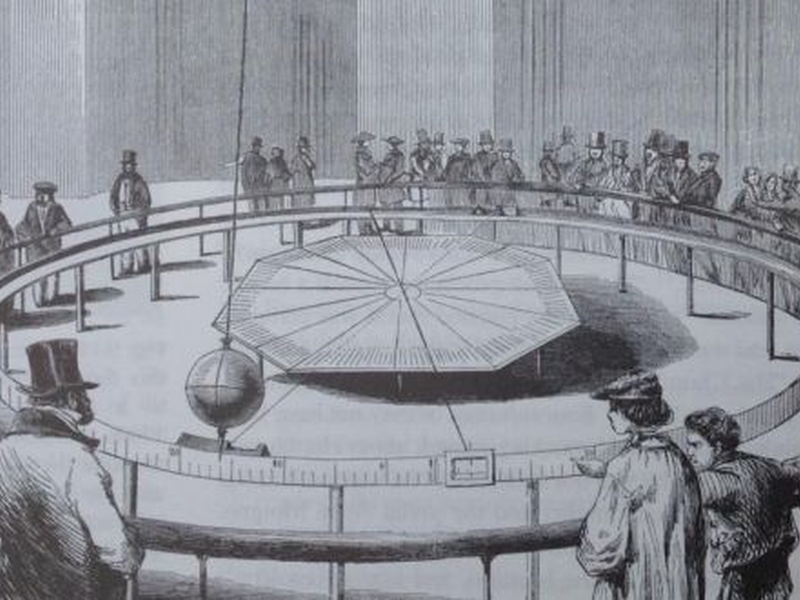
Foucault’s Pendulum

Umberto Eco’s "The Name of the Rose" was certainly one of the best literary works of the past decade, though the film version hardly measured up to it. Now Eco has given us a new novel, "Foucault’s Pendulum." Like Rose, Foucault’s Pendulum reflects on the limitations of human knowledge, and…

by James B. JordanJanuary 26, 1990
tanner-mardis-xuxghzhibn4-unsplash-1-2
Biblical Studies

What Is “Interpretive Maximalism”?

From time to time people ask me about "interpretive maximalism." They want to know what it is, and sometimes want to know if it represents some departure from the Reformed grammatico-historical, Biblico-theological approach to the Bible. I have something of a problem with these questions, because "interpretive maximalism" is not…

by James B. JordanJanuary 26, 1990

Showing page 305 of 309

See all

Showing page 7 of 43

See all

Form and Type

It sure seems that the story of Joseph is a typological foreshadowing of the life of Jesus. Joseph is hated by his brothers; turned over to Gentiles; falsely accused; thrown into pit and prison; raised up, finally set on a throne, from which he gathers and distributes bread. Of course,…

March 5, 2015

Othering and Order

Jock Young ( Vertigo of Late Modernity ) discerns two sorts of “othering” in contemporary life: “the first is a conservative demonisation which projects negative attributes on the other and thereby grants positive attributes to oneself The second, very common yet rarely recognised, is a liberal othering where the other…

March 5, 2015

Fragmentation and Aestheticism

In several dense paragraphs in The Fragmented World of the Social , Axel Honneth describes the Gyorgy Lukacs's analysis of the fragmentation caused by capitalist society and the romantic reaction. There is, for starters, the fragmentation of the human being himself, induced by the capitalist separation of the worker from…

March 4, 2015

A World Beyond Morality

In his little book, Alone Again , Zygmunt Bauman summarizes his characteristic themes: We live in a liquid world, nothing permanent, nothing solid, nothing predictable. Typically pungent, Bauman points to “the overall tendency to dismantle, deregulate and dissipate the once solid and relatively lasting frames in which the concerns and…

March 4, 2015

Heifers, Serpents, Trees, Locusts

Jeremiah 46 is an oracle against Egypt, which, like Judah, is threatened by the advancing forces of Babylon. In the space of four verses (20-23), Jeremiah runs through a dizzying series of metaphors. Egypt is a pretty heifer (v. 20), and Nebuchadnezzar's army is a “horsefly” that is going to…

March 4, 2015

Making Selves Without Straw

The late Jock Young observes in his Vertigo of Late Modernity that our period is characterized by “a combination of factors, some long existing yet unique in their combination, others pre-existent yet transformed in the present period. The impact revolves around three axes, the disembeddedness of everyday life, the awareness…

March 4, 2015

Showing page 456 of 2212

Browse by Category

In Medias Res

Your weekly digest for all things Theopolis.

Donate

Theopolis is nearly 100% donor-supported. Consider joining us on our mission.