Theopolis Logo

Writing

Explore our collection of theological essays, biblical studies, and reflections on faith and culture.

See all
e99a9541
Abortion

To Kill or Not to Kill

It seems to be old news, but I was unaware of it until recently. Australian academics argued that mothers should be allowed to terminate the life of a newborn child. [i] Why would they promote such an idea? Because before the child is born it is not always possible to…

by Ralph Allan SmithSeptember 12, 2019
pascal
Philosophy

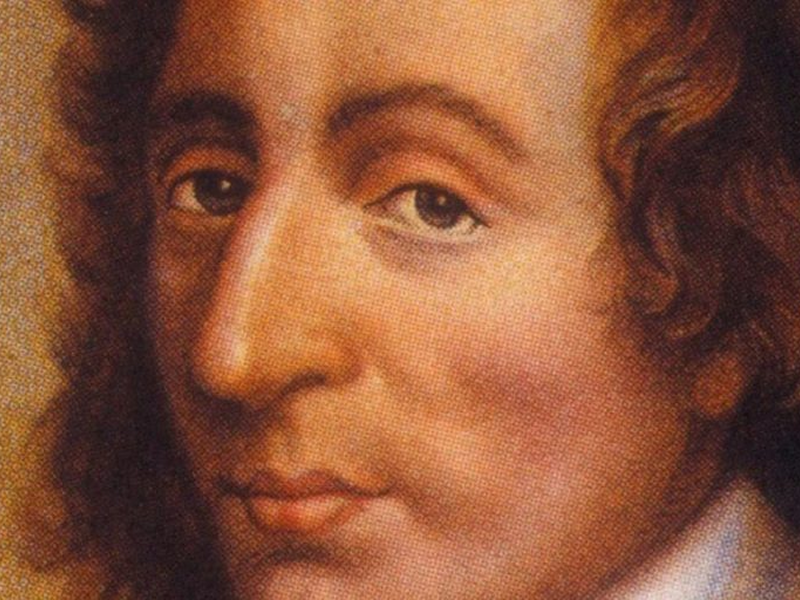
Is the Betting Rigged in Pascal's Wager?

This is the second of two essays introducing Pascal’s Wager. Click HERE for Part 1. In “The Pop Star and the Mathematician” I gave an overview of the apologetic approach commonly called Pascal’s Wager. In that Wager, 17 th -century French mathematician Blaise Pascal argued that the choice between Christian…

by Alexander WhitakerSeptember 10, 2019
pascal
Philosophy

The Mathematician and the Pop Star: A Pascal's Wager Primer

This is the first of two essays aiming to introduce the reader to Pascal’s Wager. The second will address criticisms of the Wager. In the early 1990s, a perennially popular British pop star was interviewed on British television about his very public evangelical Christian faith. “What if,” the reporter asked…

by Alexander WhitakerSeptember 5, 2019
screen-shot-2019-09-03-at-7-00-44-am-2
Matthew

The Secret of the Middle of Matthew

Matthew 13 is about secrets. In this chapter, Jesus teaches eight parables and tells the disciples that they reveal the secrets of the kingdom (13:11). And much like Samson who both tells riddles and is himself a riddle that the reader must solve, so Jesus not only tells secrets but…

by John HigginsSeptember 3, 2019
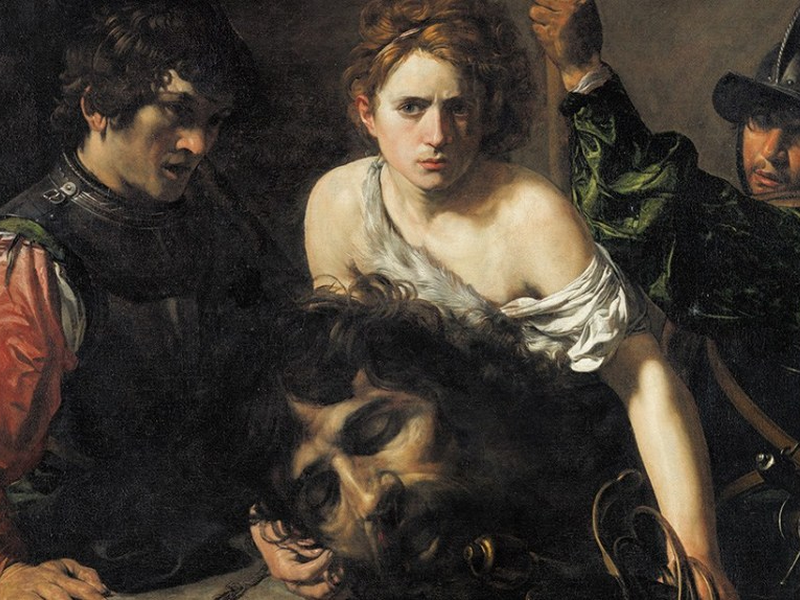
david-with-goliaths-head-and-soldiers-crop
Biblical Theology

David, Goliath, and the Body of Moses, (Part 2)

Click HERE for part One. THE TEXT AS TABERNACLE Creation – Initiation – Genesis (1 Samuel 17:1-11) The gathered armies not only remind the reader of Ebal and Gerizim, but also of the very reason that Israel was established (Creation) , set apart from the other nations by the circumcision…

by Mike BullAugust 29, 2019
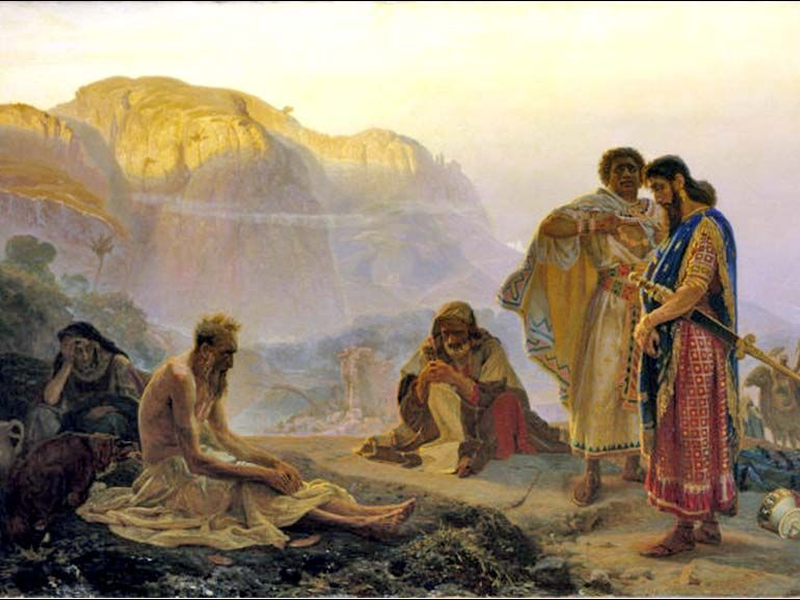
job
Job

The Man in the Middle

What to do with Job’s Final “Friend,” Elihu Elihu is a strange character, at least in the sense of how and where he appears in the book of Job. Why does he not appear with the other three “friends?” Does his argument differ from any of the first three who…

by Eric RobinsonAugust 27, 2019

Showing page 75 of 309

See all

Showing page 8 of 43

See all
History

Smokin’ like a Christian

English fairs in earlier centuries displayed wares and displays from all over the world. At one there was an animal described as “a noble creature, which much resembled a Wild Hairy man” whose main skill was to doff his hat and show “his respects to the Company, and smoaks a…

October 14, 2006
Literature

The Moral of Henry V

Much of the moral and political import of Shakespeare’s Henry V is left to the audience’s or reader’s judgment. Is Henry a “pig” or is he the mirror of Christian kings? Is his invasion of France fair or foul? Shakespeare doesn’t show his hand, or not much; and one is…

October 14, 2006
Literature

The climax of Coriolanus

George Barnam notes the careful structure of Act 5 of Shakespeare’s Coriolanus: “Shakespeare had used this scene structurally to build the tension toward the climactic moment when Volumnia should appeal to her son and prevail. Three appeals are made to Marcius, and Shakespeare’s presentation of them matches in structure the…

October 14, 2006
History

Sports and the sacred

A reader wrote to respond to my suggestion that high culture is “sacred” and pop culture “profane,” citing the example of sports. Here’s my response: A football game often is a quasi-religious experience, but I’m not sure we use the same language to describe it. If someone slashed da Vinci’s…

October 14, 2006
Literature

Desacralized drama

In their “cultural history” of English drama, Simon Shepherd and Peter Womack summarize the argument of Glynne Wickham concerning the divorce of stage and sacred: “The English stage - so the argument runs - was predominantly a religious one until Elizabethan Protestantism forced a separation between theatre and the central…

October 14, 2006
History

Civil war and criticism

As Marsden describes it, the growth of neoclassical literary sensibilities developed in part in reaction to the chaos and disorder of the English civil war - following in this regard the development of late 17th century political theory. Orderliness, definiteness, clarity became virtues, while ambiguity, double entendres, and inconclusiveness became…

October 13, 2006

Showing page 1777 of 2212

Browse by Category

In Medias Res

Your weekly digest for all things Theopolis.

Donate

Theopolis is nearly 100% donor-supported. Consider joining us on our mission.