Theopolis Logo

Writing

Explore our collection of theological essays, biblical studies, and reflections on faith and culture.

See all
james-coleman-642705-unsplash
Biblical Studies

A Daughter of Abraham

Some of the key ways Biblical writers draw attention to important details in their stories are by the use of key words, repetition, and structural devices like chiasms and parallel constructions. The Bible sounds different, even odd, to us sometimes because of the use of these and similar literary conventions.…

by Ralph Allan SmithApril 16, 2019

why-man-cannot-quit-porn-alone
Autonomy

Rehabilitating Autonomy

It is pretty standard in conservative Christian circles to condemn unbelief for pretensions of “autonomy.” Cornelius Van Til famously (at least among those of us who knows who he is) said that “There is no alternative but that of theonomy and autonomy.” Greg Bahnsen appealed to this quotation by labeling…

by Mark HorneApril 9, 2019
jesus_preaching
John

Jesus: Preacher of Paradox

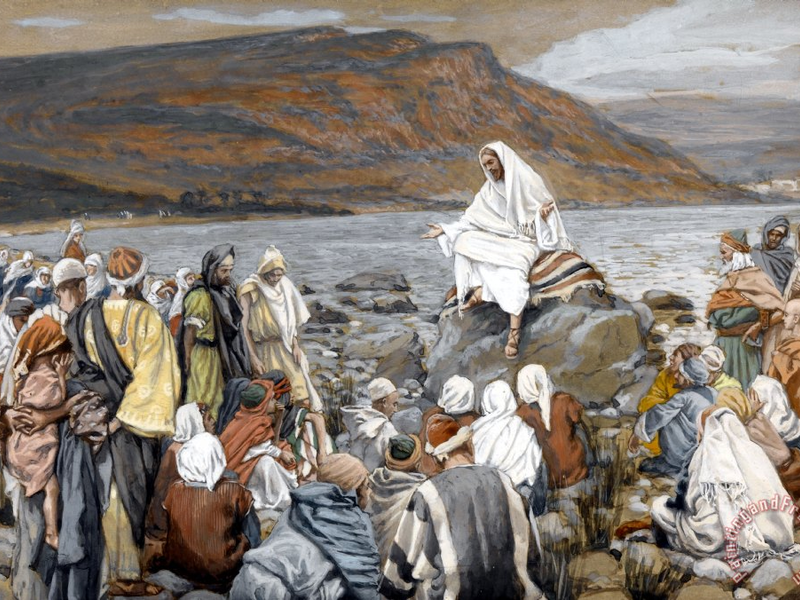
Jesus was the greatest teacher who ever taught — the Light of the World, whose pure Truth brought sight to the blind (John 9). Almost no one — even those who speak openly against Him — disputes His reputation as a wise and good teacher of the way of love.…

by Ralph Allan SmithApril 2, 2019
esther
Esther

The Book of Esther in Covenant History

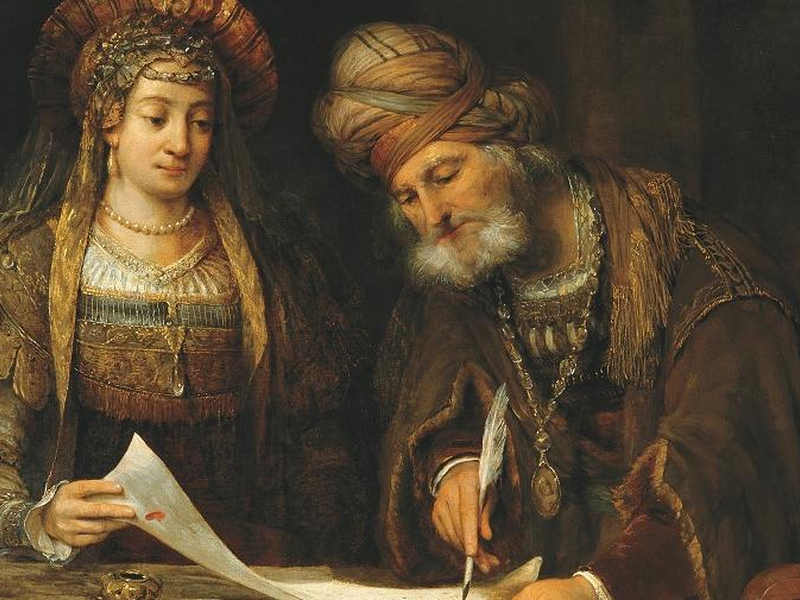
It is clear that the events in Esther are an integral part of the history of the formation of the Restoration Covenant Era. Amalek attacks. Amalek is spoiled. The spoils are used to build the Temple, in the sense that the crude Temple of Zerubbabel can now be glorified with…

by James B. JordanMarch 28, 2019
img_9025
How to Worship

A Positive View of Music

It is not coincidental that John Calvin speaks most strongly in defense of vernacular language just after his defense of singing in church. "From this also it plainly appears that public prayers must be couched not in Greek among the Latins, nor in Latin among the French or English, as…

by John AhernMarch 26, 2019
david-4
Biblical Theology

The Reopened Wounds of Jacob

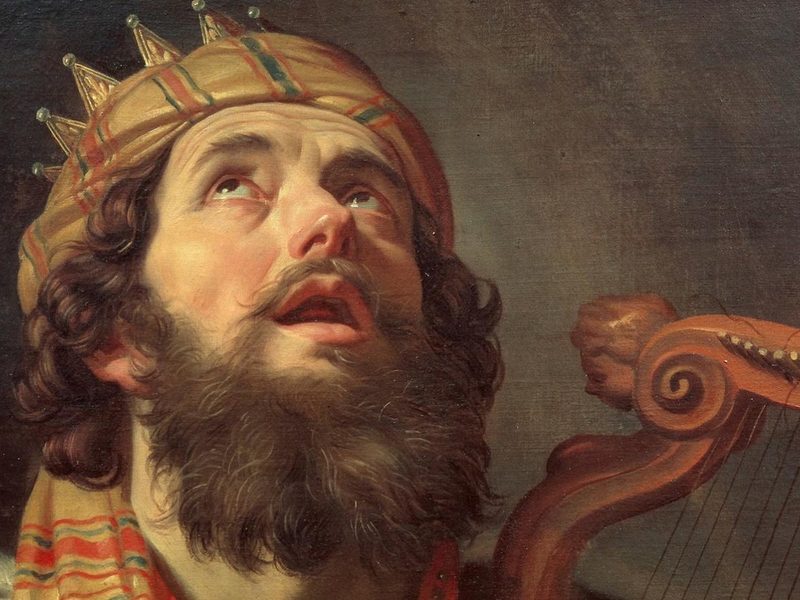
In A Voyage Around the World , George Anson recounts the effects of scurvy upon an unfortunate man: But a most extraordinary circumstance, and what would be scarcely credible upon any single evidence, is, that the scars of wounds which had been for many years healed, were forced open again…

by Alastair RobertsMarch 19, 2019

Showing page 80 of 309

See all

Showing page 8 of 43

See all
History

Smokin’ like a Christian

English fairs in earlier centuries displayed wares and displays from all over the world. At one there was an animal described as “a noble creature, which much resembled a Wild Hairy man” whose main skill was to doff his hat and show “his respects to the Company, and smoaks a…

October 14, 2006
Literature

The Moral of Henry V

Much of the moral and political import of Shakespeare’s Henry V is left to the audience’s or reader’s judgment. Is Henry a “pig” or is he the mirror of Christian kings? Is his invasion of France fair or foul? Shakespeare doesn’t show his hand, or not much; and one is…

October 14, 2006
Literature

The climax of Coriolanus

George Barnam notes the careful structure of Act 5 of Shakespeare’s Coriolanus: “Shakespeare had used this scene structurally to build the tension toward the climactic moment when Volumnia should appeal to her son and prevail. Three appeals are made to Marcius, and Shakespeare’s presentation of them matches in structure the…

October 14, 2006
History

Sports and the sacred

A reader wrote to respond to my suggestion that high culture is “sacred” and pop culture “profane,” citing the example of sports. Here’s my response: A football game often is a quasi-religious experience, but I’m not sure we use the same language to describe it. If someone slashed da Vinci’s…

October 14, 2006
Literature

Desacralized drama

In their “cultural history” of English drama, Simon Shepherd and Peter Womack summarize the argument of Glynne Wickham concerning the divorce of stage and sacred: “The English stage - so the argument runs - was predominantly a religious one until Elizabethan Protestantism forced a separation between theatre and the central…

October 14, 2006
History

Civil war and criticism

As Marsden describes it, the growth of neoclassical literary sensibilities developed in part in reaction to the chaos and disorder of the English civil war - following in this regard the development of late 17th century political theory. Orderliness, definiteness, clarity became virtues, while ambiguity, double entendres, and inconclusiveness became…

October 13, 2006

Showing page 1777 of 2212

Browse by Category

In Medias Res

Your weekly digest for all things Theopolis.

Donate

Theopolis is nearly 100% donor-supported. Consider joining us on our mission.