Theopolis Logo

Writing

Explore our collection of theological essays, biblical studies, and reflections on faith and culture.

See all
brian-moats-2
Theopolis News

Meet Brian Moats

Theopolis is delighted to announce that we have hired Brian Moats as Assistant to President Peter Leithart. An Alabama native and graduate of Boyce College in Louisville, Brian is a professional photographer who has also worked as a salesman and dispatcher for Charter Communications and Wayne's Environmental Services. Brian and…

by TheopolisJune 10, 2015
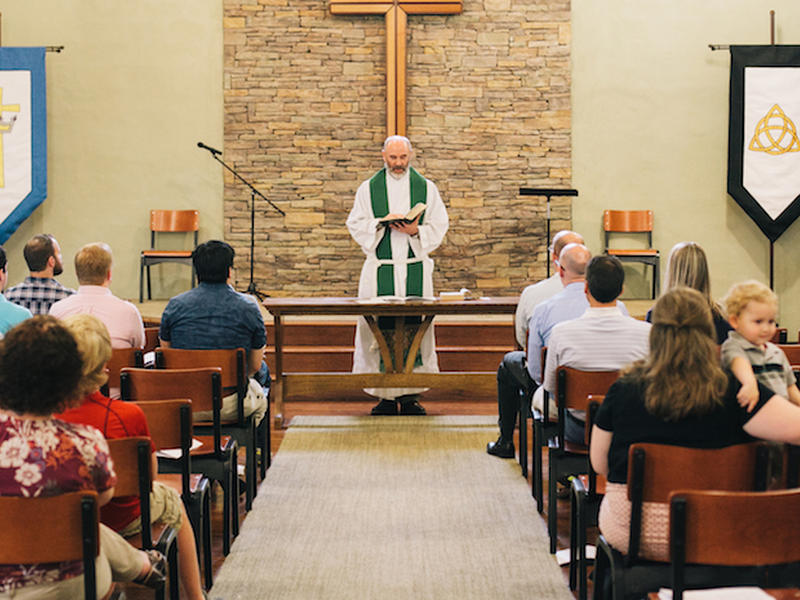
theopolis-liturgy
History

Christians, Liturgy, and the Past, (Part 1)

Over the last few years, I have had frequent cause to return to the question of the ways in which the past and its forms of liturgy should be handled within the Church today. Keeping faith with the past is seldom as straightforward an endeavour as it might initially appear,…

by Alastair RobertsJune 9, 2015
medievalilluminatedmanuscript
Hermeneutics

The Dramatic Structure of Proverbs

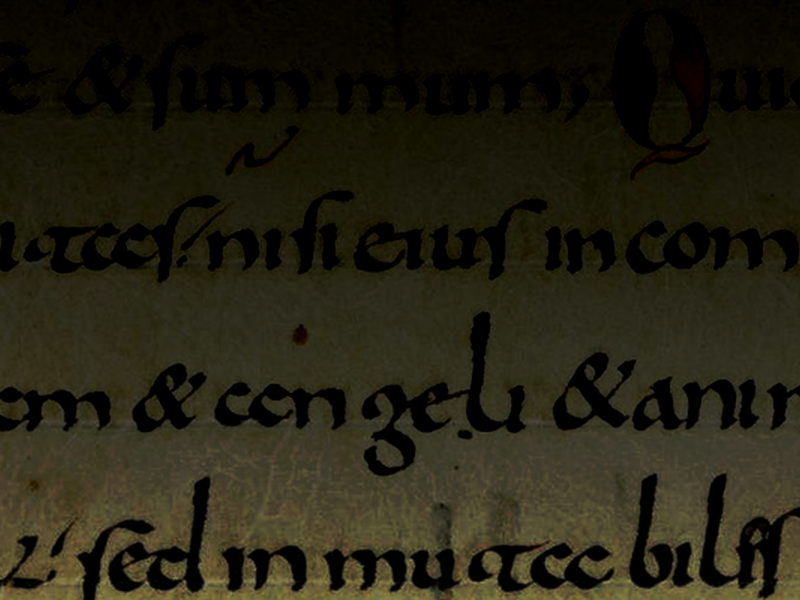
The book of Proverbs appears as a largely random collection of aphorisms drawn from experience saturated in law. Despite its random arrangement, however, the book does have an over-arching structure that reinforces its main themes. One way to gather clues regarding the structure of a biblical book (or any book)…

by Peter LeithartJune 4, 2015
milwaukee
Charity

Mission to Milwaukee

Prior to attending the week-long intensive course on Holistic Mission, my wife and I were living two counties away from Milwaukee, in the comfortably quiet and rural village of Slinger, Wisconsin. In God’s providence, after nearly ten years of living in Slinger, we realized some changes to our comfortable and…

by Jonathan SedlakJune 2, 2015
james-coleman-orks2dpueo0-unsplash
Bonaventure

One Body and One Loaf: Eucharistic Unity Through the Theology of St. Bonaventure

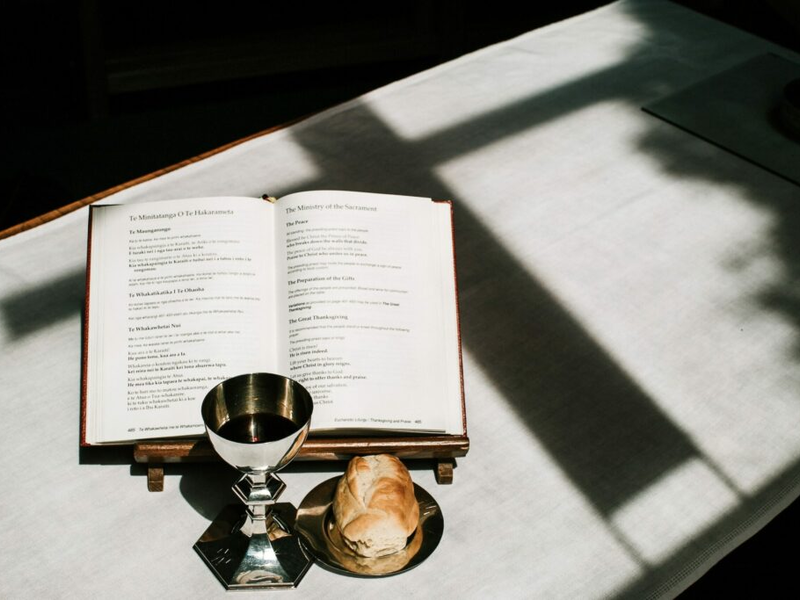
I have many Roman Catholic friends. Leading from my time at Saint Louis University and continuing through various scholarly engagements I often get an opportunity to discuss history and theology with Roman Catholics who are very well educated in their tradition and practice, some of whom are leading scholars in…

by Timothy LeCroyMay 28, 2015
107394ab
Theopolis News

Music in Life and Liturgy

Theopolis ended its second year of operation with its Pentecost Term course on Music in Life and Liturgy last week. Co-taught by Ken Myers of Mars Hill Audio and scholar-in-residence James Jordan, the Music course was the largest Theopolis course yet. Sixteen pastors, seminary students, and music ministers from nine…

by TheopolisMay 26, 2015

Showing page 152 of 309

See all

Showing page 8 of 43

See all

Conveniens

Bauerschmidt notes that Aquinas frequently argues, especially when speaking of the incarnation, not for “proof” of doctrine but for its “fittingness.” Reason has the role of “manifesting how [the incarnation] fits together (convenire means literally ‘to come together’) with other things that Christians hold true about God.” Perhaps this can…

March 23, 2006

Extra-Augustinisticum

In Epistle 137, Augustine writes: “The Christian teaching nowhere holds that God was so poured into human flesh as either to desert or lose - or to transfer and, as it were, compress within this frail body - the care of governing the universe. This is the thought of people…

March 23, 2006

Thomas on Merit

Commenting on ST I-II, q. 109, Frederick Bauerschmidt says that Thomas uses the word “merit” analogically when we speak of God rewarding human action “since we can act in the first place only because God has given us the capacity to act.” This applies even to Jesus: “even when Thomas…

March 23, 2006

On Seneca, de Beneficiis, Books 1-2

Seneca suggests that ingratitude is the worst of vices, and nothing is more “harmful to society” than ingratitude (I.1). Later in Book I, he lists a series of moral ills that plague society – “homicides, tyrants, thieves, adulterers, ravishers, sacrilegious, traitors” – but concludes that “worse than all these is…

March 23, 2006
Literature

Prospero the Magus

I am grateful to Ralph Smith for references to Frances Yates’ work on Shakespeare’s plays. In an analysis of The Tempest, Frances Yates writes: “It is inevitable and unavoidable in thinking of Prospero to bring in the name of John Dee, the great mathematical magus of whom Shakespeare must have…

March 22, 2006
History

Elizabethan Magic

Educated Elizabethans lived in a world of similitudes. As EMW Tillyard argued, the Elizabethan world picture was constituted by a series of analogous chains of being. The social world manifested and was manifested by the natural world; the universe as a whole resembled human beings; there was a hierarchy among…

March 22, 2006

Showing page 1867 of 2212

Browse by Category

In Medias Res

Your weekly digest for all things Theopolis.

Donate

Theopolis is nearly 100% donor-supported. Consider joining us on our mission.