Theopolis Logo

Writing

Explore our collection of theological essays, biblical studies, and reflections on faith and culture.

See all
e99a1883
Eucharist

According to the Ordinance

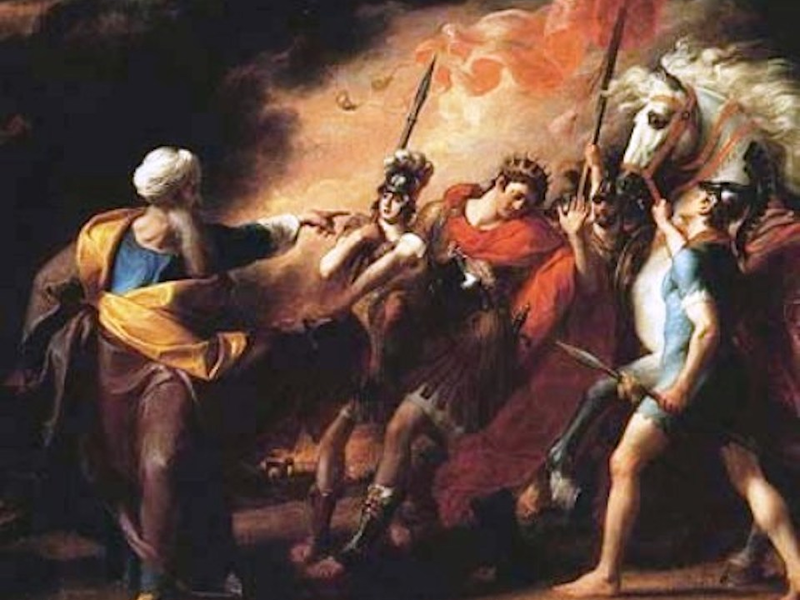
After 9 chapters of genealogy, the Chronicler begins his history with the death of Saul and the rise of David. The latter part of 1 Chronicles 12 describes the assembly of warriors from the twelve tribes to Hebron to celebrate David’s coronation as king. They have a three-day feast, with…

by Peter LeithartSeptember 1, 2016
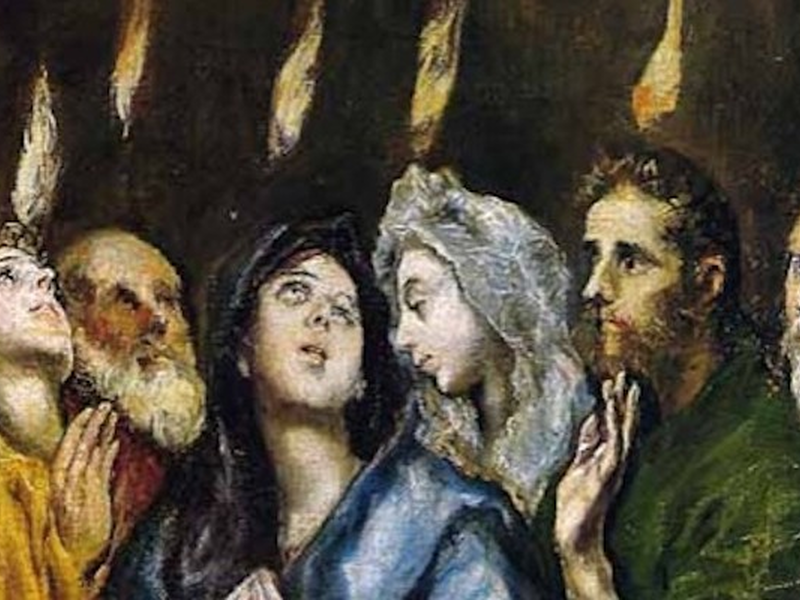
pentecost
Baptism

Water, Spirit, and Fire, (Part 2)

In the introduction we saw that Matthew and Luke are the only gospels which include “fire” in John the Baptist's narrative. If Matthew and Luke are the priestly and prophetic gospels, the inclusion of fire is of great importance. Priests are servants of the altar, working with fire every day.…

by Adam McIntoshAugust 30, 2016
city-heaven
Daniel

Brexit and the Binding of Satan: Part 3

The feet of the great statue in Nebuchadnezzar’s dream cannot be interpreted as a prediction of the states of modern Europe, but the lessons from their failure can certainly be applied . The statue in Nebuchadnezzar’s dream spoke of God’s ordaining of four empires which would rule in succession throughout…

by Mike BullAugust 25, 2016
istock_1475569697_1__9049d5f0-0813-44b1-9fa3-56fa65117e67
City

From Milwaukee

This past Sunday afternoon, I drove just a few miles west of my neighborhood to visit the corner of Sherman Blvd. and Burleigh St. in Milwaukee, Wisconsin. Amid a crowd I stood, looking at a huge gas station and multiple vehicles, all completely destroyed. Hundreds of feet of yellow caution…

by Jonathan SedlakAugust 23, 2016
david-men

Help

1 Chronicles 12 is a flashback. The Chronicler has told the story of Saul’s death at the battle of Mount Gilboa. He has described how “all Israel” gathered to David at Hebron to make him king over all Israel (11:1-3). At the beginning of chapter 12, we move back to…

by Peter LeithartAugust 18, 2016
e99a1834-2-6
Theopolis News

Leviticus Course Recap

A great story draws you into specific details while delivering an ending that keeps you coming back. It brings you into the minutiae of life in such a way that requires patience, only to deliver a breath of fresh air time and again. The climax of the biblical story comes…

by Brian MoatsAugust 17, 2016

Showing page 126 of 309

See all

Showing page 8 of 43

See all
Politics

Arnold’s Campaign

From the radio reports I hear, it seems that Arnold’s campaign is an extension of his movie career. At one stop, he unveils a bus bearing his mug, and buses for the press labeled “Predators.” At another stop, he talks about taxes, and says that in the movies he destroys…

October 3, 2003

Edwards on Samson

In his Miscellanies , Edwards has some fascinatingly positive things to say about Samson. For example: In Judg xvi. 1, 2, we have an account how Samson loved a harlot, and from his love to her exposed himself to be compassed round by his enemies. So the prophecies represent the…

October 3, 2003

Images of Divine Things

A few quotations from Edwards’ “Images of Divine Things” (1728): “When we travail up an hill ‘tis against our natural tendency and inclination, which perpetually is to descent; and therefore we can’t go on ascending without labor and difficulty. But there arises a pleasant prospect to pay us for our…

October 3, 2003
American Religion

Noll on Edwards

Mark Noll’s account of Edwards’s role in the undermining of the Puritan “sacred canopy” in New England, in his recent book America’s God , is an important analysis of one phase in the rise of American religion. According to Noll, the pattern goes something like this: 1) The Puritans had…

October 2, 2003
History

Edwards and Beowulf

Thinking through an upcoming lecture on Edwards, I had a Borgesian moment: In 1731, there was a fire at the Cottonian library in England that nearly destroyed the single manuscript containing the Anglo-Saxon poem Beowulf . In the same year, Edwards preached a controversial sermon at his church in Northampton,…

October 2, 2003

Polupragmosune

Every great civilization has some equivalent of what the fifth-century (BC) Athenians called polupragmosune . As defined by William Arrowsmith, that word “connotes energy, enterprise, daring, ingenuity, originality, and curiosity; negatively it means restless instability, discontent with one’s lot, persistent and pointless busyness, meddling interference, and mischievous love of novelty.”…

October 2, 2003

Showing page 2188 of 2212

Browse by Category

In Medias Res

Your weekly digest for all things Theopolis.

Donate

Theopolis is nearly 100% donor-supported. Consider joining us on our mission.