Theopolis Logo

Writing

Explore our collection of theological essays, biblical studies, and reflections on faith and culture.

See all
sculptor
Art

The Artist's Litany

If we say that we have no sin, we deceive ourselves, and the truth is not in us. (1 John 1:8) O God the Father, creator of heaven and earth, Alpha and Omega, beginning and end, who inspired Creation with the breath of your nostrils, who placed Adam in the…

by Christian LeithartFebruary 2, 2016
sodom_and_gomorrah_afire_by_jacob_jacobsz-_de_wet_d-_j-_probably_koln_c-_1680_oil_on_canvas_-_hessisches_landesmuseum_darmstadt_-_darmstadt_germany_-_dsc01149-e1632540497247
American Culture

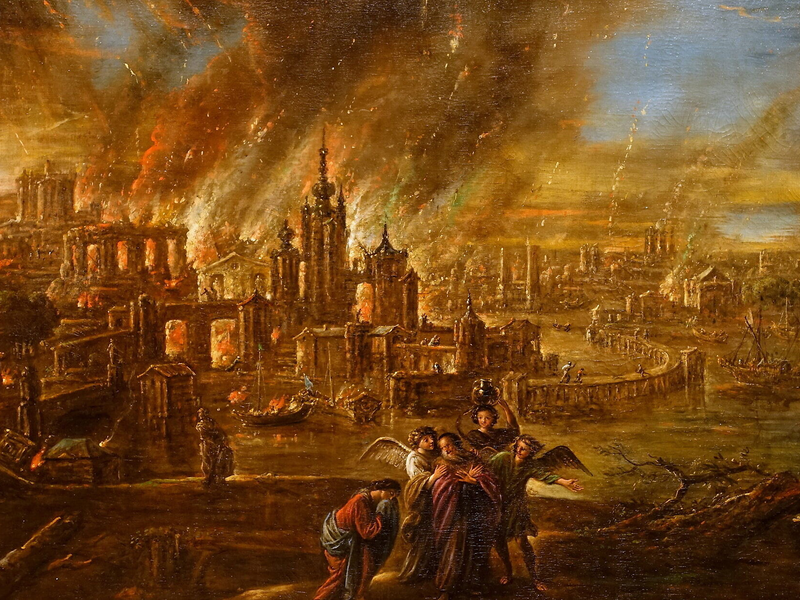
American Sodom

For nearly a half-century, Sodom has been a key symbol in the American culture wars. On the one side, we have an aggressive movement among homosexuals that has first decriminalized homosexual conduct, then to force cultural and legal recognition of homosexuals as a minority and to normalize homosexual behaviors, finally…

by Peter LeithartJanuary 28, 2016
image-20150409-15244-1r08rsu
Biblical Theology

The Meaning of the Mount of Olives

Speaking of the Church, Romans 11:16-17 says, "And if the root be holy, the branches are also. But if some of the branches were broken off, and you, being a wild olive were grafted in among them and became partaker with them of the root of the fatness of the…

by James B. JordanJanuary 26, 2016
img_6134
Isaiah

No Sabbath for God

At the end of Isaiah 61, Yahweh's Servant rejoices because the Lord clothes Him with salvation and righteousness. He decks Him like a bridegroom with a garland on His head. He wears jewels like a bride. He is a new bridegroom in a new garden of Eden, a garden of…

by Peter LeithartJanuary 21, 2016
hebrew-manuscript-2
Biblical Law

Approaching the Torah

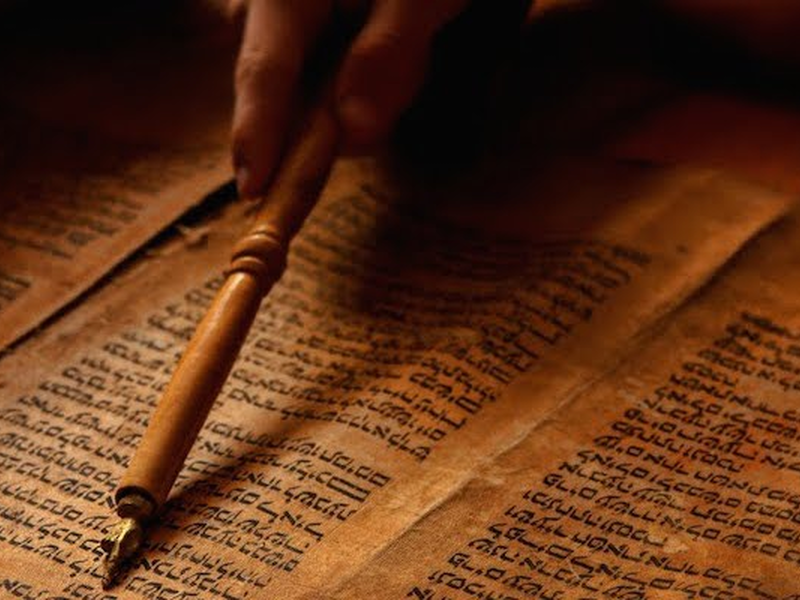
Before anything else, a word about “Torah” may be in order. I have been persuaded that “law” is a bad translation of “Torah,” even though it is evident that what is called “Torah” does have commandments, statutes, and ordinances in abundance. Why not “law?” “Law” as a translation for “Torah”…

by Ralph Allan SmithJanuary 19, 2016
jane-austen-2
Biblical Horizons

Jane Austen, Pundit

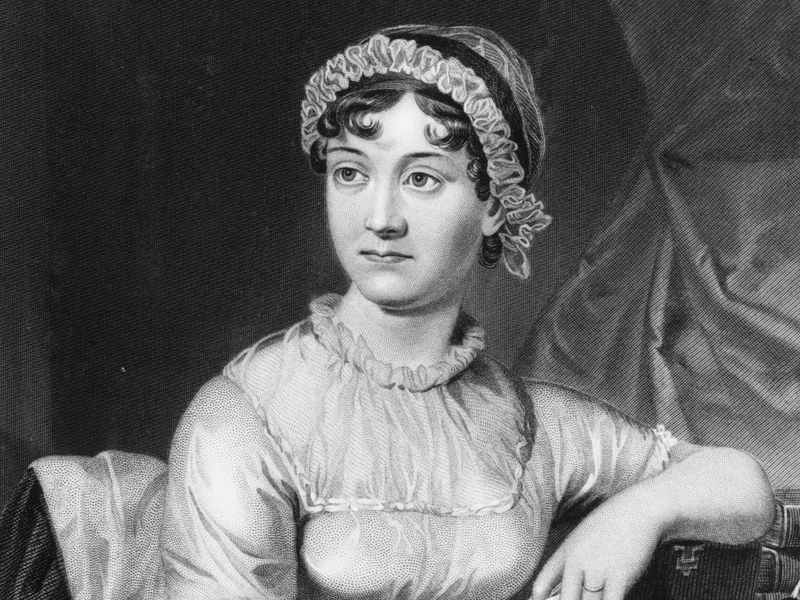
Few novelists seem as innocent of the temptation to punditry as Jane Austen. Though living through a period that witnessed the birth of an independent United States, the French Revolution and the Terror, the Napoleonic wars and the rise of revolutionary romanticism, and the upheavals of the Industrial Revolution, she…

by Peter LeithartJanuary 14, 2016

Showing page 137 of 309

See all

Showing page 9 of 43

See all
History

Smokin’ like a Christian

English fairs in earlier centuries displayed wares and displays from all over the world. At one there was an animal described as “a noble creature, which much resembled a Wild Hairy man” whose main skill was to doff his hat and show “his respects to the Company, and smoaks a…

October 14, 2006
Literature

The Moral of Henry V

Much of the moral and political import of Shakespeare’s Henry V is left to the audience’s or reader’s judgment. Is Henry a “pig” or is he the mirror of Christian kings? Is his invasion of France fair or foul? Shakespeare doesn’t show his hand, or not much; and one is…

October 14, 2006
Literature

The climax of Coriolanus

George Barnam notes the careful structure of Act 5 of Shakespeare’s Coriolanus: “Shakespeare had used this scene structurally to build the tension toward the climactic moment when Volumnia should appeal to her son and prevail. Three appeals are made to Marcius, and Shakespeare’s presentation of them matches in structure the…

October 14, 2006
History

Sports and the sacred

A reader wrote to respond to my suggestion that high culture is “sacred” and pop culture “profane,” citing the example of sports. Here’s my response: A football game often is a quasi-religious experience, but I’m not sure we use the same language to describe it. If someone slashed da Vinci’s…

October 14, 2006
Literature

Desacralized drama

In their “cultural history” of English drama, Simon Shepherd and Peter Womack summarize the argument of Glynne Wickham concerning the divorce of stage and sacred: “The English stage - so the argument runs - was predominantly a religious one until Elizabethan Protestantism forced a separation between theatre and the central…

October 14, 2006
History

Civil war and criticism

As Marsden describes it, the growth of neoclassical literary sensibilities developed in part in reaction to the chaos and disorder of the English civil war - following in this regard the development of late 17th century political theory. Orderliness, definiteness, clarity became virtues, while ambiguity, double entendres, and inconclusiveness became…

October 13, 2006

Showing page 1777 of 2212

Browse by Category

In Medias Res

Your weekly digest for all things Theopolis.

Donate

Theopolis is nearly 100% donor-supported. Consider joining us on our mission.