Theopolis Logo

Writing

Explore our collection of theological essays, biblical studies, and reflections on faith and culture.

See all
tom-bradley-eoiscqxpmkm-unsplash
Liturgy

The Temple Singers

Who were the company of singers who sang in the Temple built by Solomon? I think many people might answer “the Levitical singers.” That is not correct, because the Levites were not allowed inside the Temple; only the priests were. The Levitical choir and orchestra performed for Yahweh outside the…

by James B. JordanJuly 2, 2015

same-sex-celebrations-2
Homosexuality

After Obergefell - A Pastoral Letter

Dear Congregation, Social media is awash with rants for and against the ruling from the Supreme Court (SCOTUS) yesterday regarding homosexual marriage ( Obergefell v. Hodges ). My contribution on Facebook was simply to quote relevant sections of the dissents written by the four judges in the minority. Even though…

by Jeff MeyersJuly 1, 2015
egyptian-slaves
Biblical Law

Law and Imagination

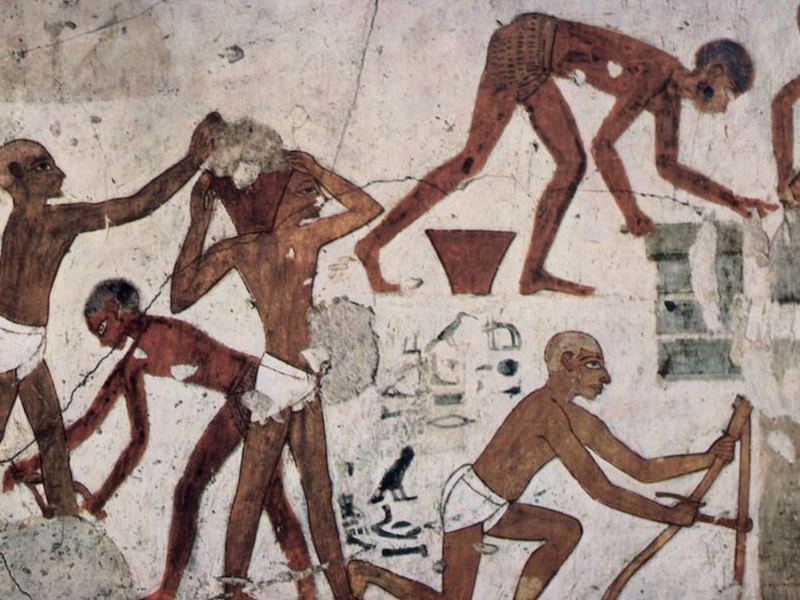
After the Civil War, the hobbled nation and fractured races looked about for leadership; animosity was high and envy was crouching at the door. Booker Taliaferro Washington, up from slavery, surveyed the rising tension and injustice, foreseeing civil unrest and chafing inequalities, eschewed, remarkably, a legislative remedy and advised a…

by Remy WilkinsJune 30, 2015
same-sex-celebration
Homosexuality

They Played the Flute for Me - But I Couldn't Dance

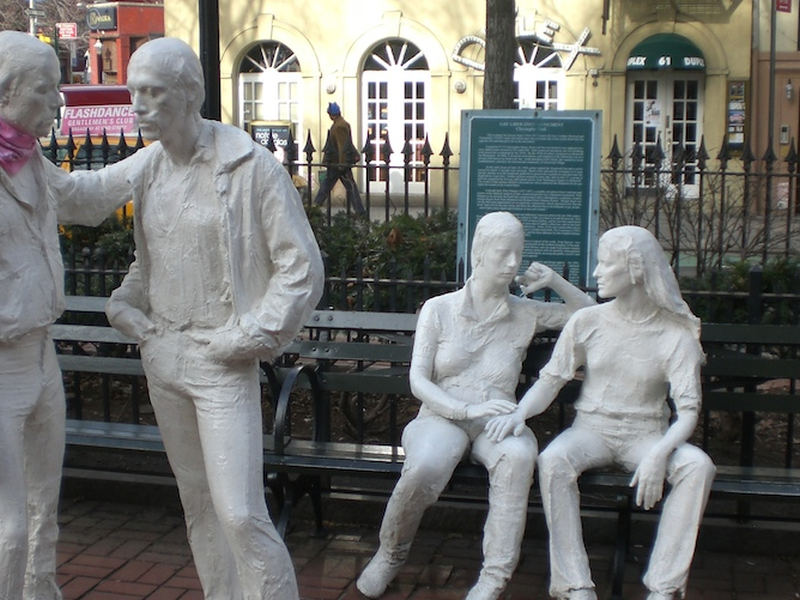
The ruling on Obergefell v. Hodges “came down” on Friday morning, June 26, 2015, like a bolt from Zeus. Many who refuse to bow to the dictates of our Olympians will write trenchant legal, theological, and cultural/political analyses of the court’s ruling. What I’m comfortable contributing to the historical record,…

by Jonathan BarlowJune 29, 2015
stonewall
American Culture

After Obergefell

Orthodox Christianity has lost all cultural potency in the U.S. No one defending traditional marriage before the court dared raise the fundamental question: Who creates marriage, God or the state? Theology has no public standing, no persuasive force in the culture at large. Obergefell is another nail in the coffin…

by Peter LeithartJune 27, 2015
photikus-production-mvh_6_yq7uo-unsplash
Poetry

Dust of Snow

One will rarely come upon a classical allusion in a Robert Frost poem. His poetic scheme was to follow the speaking patterns of common folk, to use their words and images to achieve his point. Despite this simplicity, there is a depth and richness to his poetry that can be…

by Remy WilkinsJune 25, 2015

Showing page 150 of 309

See all

Showing page 9 of 43

See all

Conveniens

Bauerschmidt notes that Aquinas frequently argues, especially when speaking of the incarnation, not for “proof” of doctrine but for its “fittingness.” Reason has the role of “manifesting how [the incarnation] fits together (convenire means literally ‘to come together’) with other things that Christians hold true about God.” Perhaps this can…

March 23, 2006

Extra-Augustinisticum

In Epistle 137, Augustine writes: “The Christian teaching nowhere holds that God was so poured into human flesh as either to desert or lose - or to transfer and, as it were, compress within this frail body - the care of governing the universe. This is the thought of people…

March 23, 2006

Thomas on Merit

Commenting on ST I-II, q. 109, Frederick Bauerschmidt says that Thomas uses the word “merit” analogically when we speak of God rewarding human action “since we can act in the first place only because God has given us the capacity to act.” This applies even to Jesus: “even when Thomas…

March 23, 2006

On Seneca, de Beneficiis, Books 1-2

Seneca suggests that ingratitude is the worst of vices, and nothing is more “harmful to society” than ingratitude (I.1). Later in Book I, he lists a series of moral ills that plague society – “homicides, tyrants, thieves, adulterers, ravishers, sacrilegious, traitors” – but concludes that “worse than all these is…

March 23, 2006
Literature

Prospero the Magus

I am grateful to Ralph Smith for references to Frances Yates’ work on Shakespeare’s plays. In an analysis of The Tempest, Frances Yates writes: “It is inevitable and unavoidable in thinking of Prospero to bring in the name of John Dee, the great mathematical magus of whom Shakespeare must have…

March 22, 2006
History

Elizabethan Magic

Educated Elizabethans lived in a world of similitudes. As EMW Tillyard argued, the Elizabethan world picture was constituted by a series of analogous chains of being. The social world manifested and was manifested by the natural world; the universe as a whole resembled human beings; there was a hierarchy among…

March 22, 2006

Showing page 1867 of 2212

Browse by Category

In Medias Res

Your weekly digest for all things Theopolis.

Donate

Theopolis is nearly 100% donor-supported. Consider joining us on our mission.