Theopolis Logo

Writing

Explore our collection of theological essays, biblical studies, and reflections on faith and culture.

See all
the-story-of-pastor-tom-clark-2-2
Pastoral Ministry

The Story of Pastor Tom Clark

Several months ago, I wrote a First Things essay on the life and ministry of Pastor Tom Clark of Tri-City Covenant Church in Somersworth, New Hampshire. Tom died shortly after that essay appeared, but during his last days we were able to spend a couple of days listening to Tom's…

by Peter LeithartDecember 16, 2014

europeana-h-4wme4eooo-unsplash-3
Advent

A Faustian Christmas

Scene 1 Mr Faust sitting in a big chair, with Little Faust on his lap, reading. Mrs Faust sitting in another chair, knitting or something. Mr Faust : And I heard him exclaim As he drove out of sight Merry Christmas to all And to all a good night. (Closing…

by TheopolisDecember 16, 2014
stonewall
American Politics

Sleeping at Gethsemane

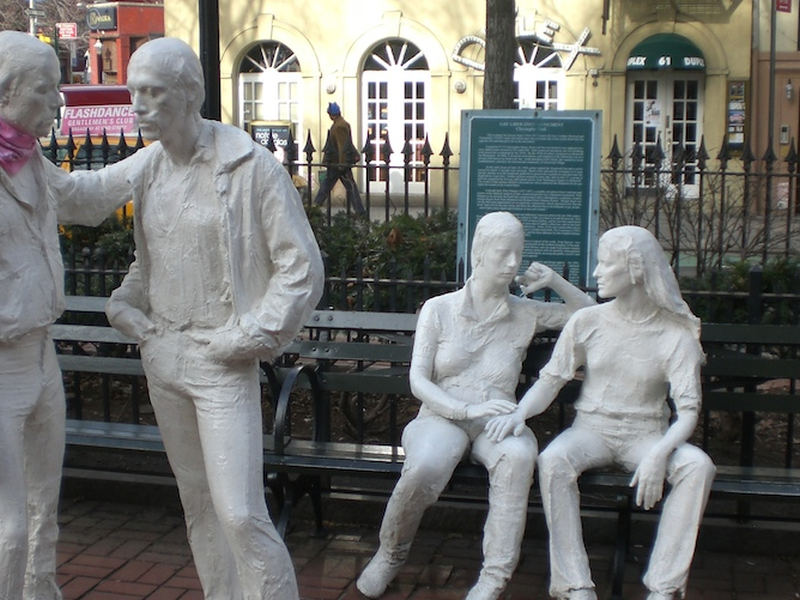
Sadly, most Christians in the United States, when it comes to recognizing the dangers to their civil and religious liberties, sleep the sleep of ignorance that the disciples slept at Gethsemane before the arrest of Jesus. It ought to be obvious by now how “sexual orientation” laws and “gay marriage”…

by Robert GagnonDecember 16, 2014
creation-2
Creation

Maker of Heaven and Earth

From an early period in church history, Christians have confessed belief in a God who created “out of nothing.” God doesn’t need pre-existent matter to work with like a human artisan does; rather, God both calls into existence the material substrate he intends to work with, and he fashions whatever…

by Stephen LongDecember 11, 2014
medievalilluminatedmanuscript
Leviticus

Learning to Love Leviticus

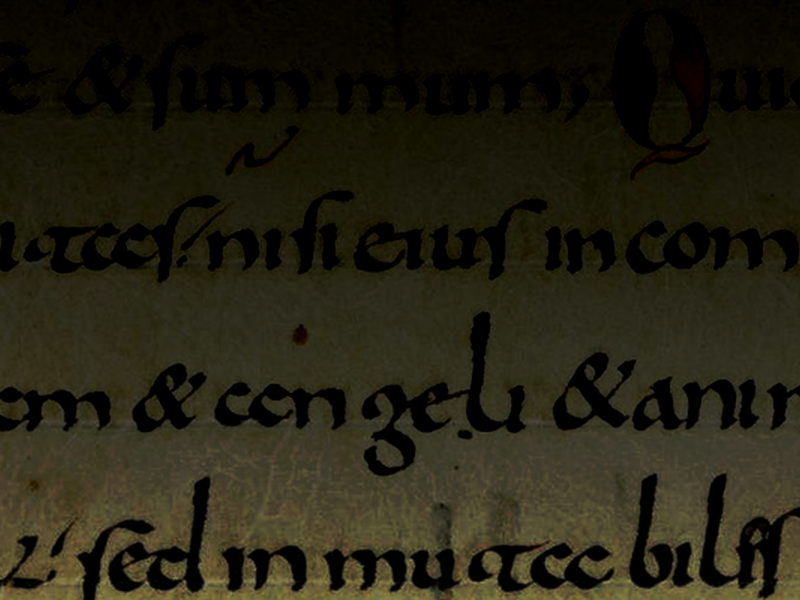
January 1 is the start date for a New Year's resolution. December is the month to start making plans for those resolutions. Perhaps the most common resolution Christians make is to read through the Bible in a year. But that resolution runs into a big challenge near the outset: Leviticus.…

by John BarachDecember 9, 2014
banner
Theopolis News

Theopolis Accredited by National Financial Accountability Organization

BIRMINGHAM, AL – The ECFA (Evangelical Council for Financial Accountability) announced today the accreditation of Theopolis Institute of Birmingham, AL. ECFA accreditation is based on the ECFA Seven Standards of Responsible Stewardship™ , including financial accountability, transparency, sound board governance and ethical fundraising. Theopolis Institute joins a growing number of…

by TheopolisDecember 4, 2014

Showing page 164 of 309

See all

Showing page 9 of 43

See all

Conveniens

Bauerschmidt notes that Aquinas frequently argues, especially when speaking of the incarnation, not for “proof” of doctrine but for its “fittingness.” Reason has the role of “manifesting how [the incarnation] fits together (convenire means literally ‘to come together’) with other things that Christians hold true about God.” Perhaps this can…

March 23, 2006

Extra-Augustinisticum

In Epistle 137, Augustine writes: “The Christian teaching nowhere holds that God was so poured into human flesh as either to desert or lose - or to transfer and, as it were, compress within this frail body - the care of governing the universe. This is the thought of people…

March 23, 2006

Thomas on Merit

Commenting on ST I-II, q. 109, Frederick Bauerschmidt says that Thomas uses the word “merit” analogically when we speak of God rewarding human action “since we can act in the first place only because God has given us the capacity to act.” This applies even to Jesus: “even when Thomas…

March 23, 2006

On Seneca, de Beneficiis, Books 1-2

Seneca suggests that ingratitude is the worst of vices, and nothing is more “harmful to society” than ingratitude (I.1). Later in Book I, he lists a series of moral ills that plague society – “homicides, tyrants, thieves, adulterers, ravishers, sacrilegious, traitors” – but concludes that “worse than all these is…

March 23, 2006
Literature

Prospero the Magus

I am grateful to Ralph Smith for references to Frances Yates’ work on Shakespeare’s plays. In an analysis of The Tempest, Frances Yates writes: “It is inevitable and unavoidable in thinking of Prospero to bring in the name of John Dee, the great mathematical magus of whom Shakespeare must have…

March 22, 2006
History

Elizabethan Magic

Educated Elizabethans lived in a world of similitudes. As EMW Tillyard argued, the Elizabethan world picture was constituted by a series of analogous chains of being. The social world manifested and was manifested by the natural world; the universe as a whole resembled human beings; there was a hierarchy among…

March 22, 2006

Showing page 1867 of 2212

Browse by Category

In Medias Res

Your weekly digest for all things Theopolis.

Donate

Theopolis is nearly 100% donor-supported. Consider joining us on our mission.