Theopolis Logo

Writing

Explore our collection of theological essays, biblical studies, and reflections on faith and culture.

See all
cloister

Gatekeepers

1 Chronicles 9:1 seems to bring the genealogies of 1 Chronicles to an end. The Chronicler has recorded the genealogy of the human race from Adam, focusing on the descendants of Abraham through Jacob. Summing it all up, he says, “So all Israel was enrolled by genealogies; and behold, they…

by Peter LeithartJune 21, 2016
trinity-1-2
Trinity

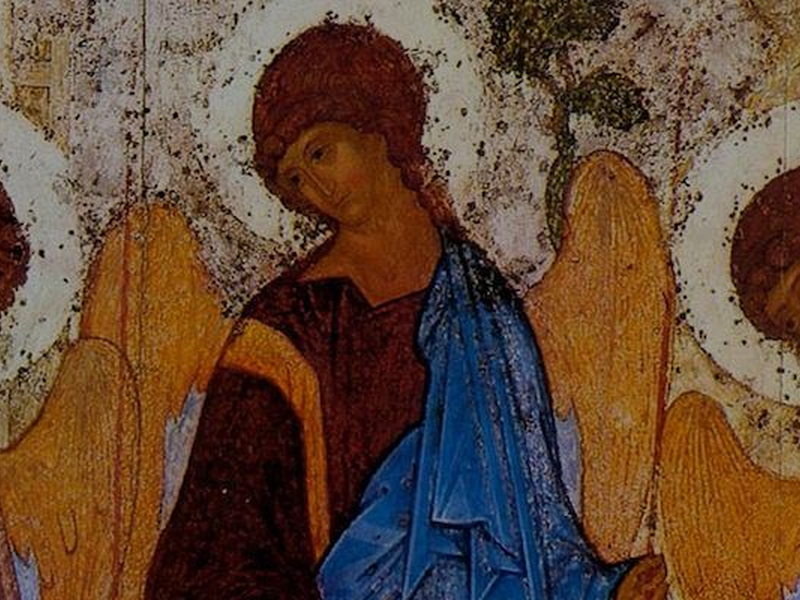
Are the Divine Persons Persons?

The “personalist” understanding of the Trinity, articulated most influentially in the work of John Zizioulas, has fallen on hard times. Recent scholars have attacked Zizioulas’s idea that Cappadocian Trinitarianism represented an ontological revolution, hammering on the distinction between divine and human personhood. Michel Barnes’s conclusion is the most drastic of…

by Peter LeithartJune 16, 2016
img_4660-2
Architecture

On Biblical Theology

Biblical Theology is often defined as the historical unfolding of God’s revelation, or of God’s revelation and of the history of his covenantal redemption and transformation of humanity and the world. In practice, Biblical Theology is usually broader than this, and also includes the study of literary structure and of…

by James B. JordanJune 14, 2016
laughing_statue_by_xxbobbiie-d5f0meh-2
Humor

Wise Laughter

We are made to be happy. Created to enter into the eternal joy of God, our whole being inclines to that end, but the fallen world has put forth barriers and by our own sin we bar ourselves from that endless delight, and death blinds us to that reality. Yet…

by Remy WilkinsJune 7, 2016
img_7664
Liturgy

Why Theopolis? Take Two

At the end of Revelation, John sees the heavenly city descending to earth. The city shines with the brilliance of God's glory, which lightens the nations, so that kings bring their glory to the city. This is not a vision of the final new heaven and new earth. It's a…

by Peter LeithartJune 2, 2016
trinity-1-2
Attributes of God

How Can We Talk About God?

“No one has ever seen God,” writes John (John 1:18). If this is the case, then how can we speak about God? Some people say we actually cannot. Or at least we cannot speak about God positively, i.e. who He is. We can only say who or what God is…

by Bogumil JarmulakMay 31, 2016

Showing page 130 of 309

See all

Showing page 9 of 43

See all
Economics

Age

Sennett again: “The number of men aged fifty-five to sixty-four at work in the United States has dropped from nearly 80 percent in 1970 to 65 percent in 1990.” Trends are similar in Western Europe. Older workers are often downsized, perceived as inflexible deadwood, too critical of management, apt to…

February 10, 2006
Economics

Economy of ingratitude

To return to one of my recent obsessions: The flexible economy described by Sennett seems inimical to the cultivation of gratitude, one of the key components or grounds of loyalty. Employers have various sorts of incentives (stock prices, meeting market demands with flexible specializations) to dispense with employees who have…

February 10, 2006
Economics

Flextime

Sennett claims that the apparent decentralization of power in flexible organizations is only apparent. In fact, power remains concentrated in the hands of top level managers, often enhanced by the surveillance capabilities of contemporary technologies. The actual practice of flextime illustrates the point. When employees are given leave to work…

February 10, 2006
Economics

Downsizing

Sennett summarizes a study from the early 1990s done by the American Management Association, which found that “repeated downsizings produce ‘lower profits and declining worker productivity.’” The study found “less than half the companies achieved their experience reduction goals; fewer than one-third increased profitability” and only one-quarter increased productivity. The…

February 9, 2006
Economics

Cultural Contradictions of Flexible Capitalism

As Richard Sennett points out in his stimulating book, The Corrosion of Character , Marx was not the first to suggest that the factory system was dehumanizing and alienating. Nor was Daniel Bell first to spot the effects of capitalism on values and moral character. Sennett argues that Adam Smith’s…

February 9, 2006

Sermon outline, Sixth After Epiphany

INTRODUCTION Yahweh’s promise to David (2 Samuel 7) about an eternal dynasty overshadows the whole book of Kings, and the story of Kings is about Yahweh’s faithfulness to David in the face of all threats and challenges. Here, David’s dynasty is nearly destroyed by a daughter of Ahab, but Yahweh…

February 9, 2006

Showing page 1887 of 2212

Browse by Category

In Medias Res

Your weekly digest for all things Theopolis.

Donate

Theopolis is nearly 100% donor-supported. Consider joining us on our mission.