Theopolis Logo

Writing

Explore our collection of theological essays, biblical studies, and reflections on faith and culture.

See all
img_3944-2
Parenting

Guarding Our Eyes

It is a well-known movie trope, the sports car drives up, a stiletto-heeled starlet steps out and the camera follows her leg up the prodigious slit of her dress, then it takes in the rest of her figure before settling on her face, usually primed and puckered for some pro-feminist…

by Remy WilkinsSeptember 15, 2015

cappadocians
Books

Are the Divine Persons Persons?

The “personalist” understanding of the Trinity, articulated most influentially in the work of John Zizioulas, has fallen on hard times. Recent scholars have attacked Zizioulas’s idea that Cappadocian Trinitarianism represented an ontological revolution, hammering again and again the distinction between divine and human personhood. Michel Barnes’s conclusion is the most…

by Peter LeithartSeptember 10, 2015
austin-distel-tlzhfrlj6ny-unsplash
Culture

Face To Facebook

I sit here in my office and poke around on a keyboard that is not even physically connected to my laptop and characters appear on a screen. I have a phone in my pocket through which I talk to someone around the world, send a text message, and to which…

by Bill SmithSeptember 8, 2015
samuel-martins-3u7hcqkibb4-unsplash
Prayer

Repent of Your Piety

I want to give a pep talk. Nothing fancy, nothing clever. Jesus makes some astounding promises in Luke 11. I want to clear out the clutter and convince you to believe Him and to act on it. The chapter begins with Jesus praying and teaching His disciples to pray by…

by Peter LeithartSeptember 7, 2015
lazarus-raised
John

The Strange Love of Jesus

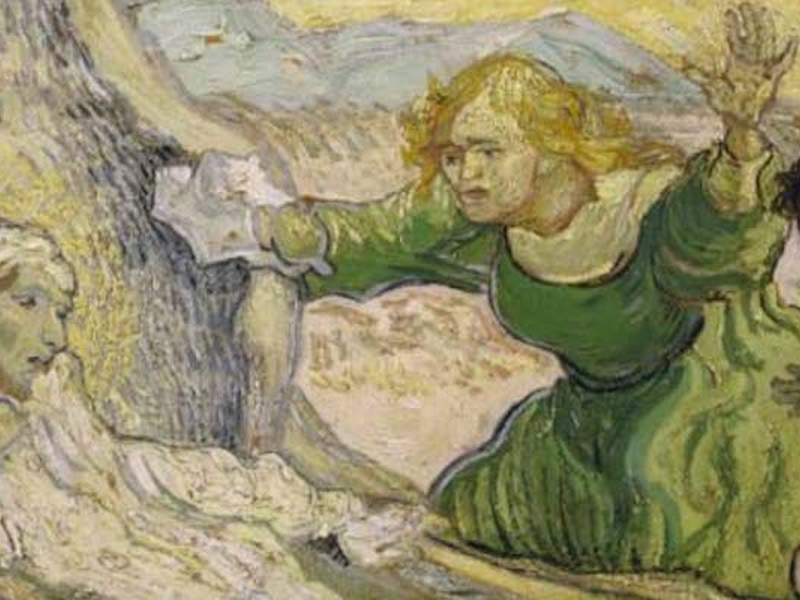
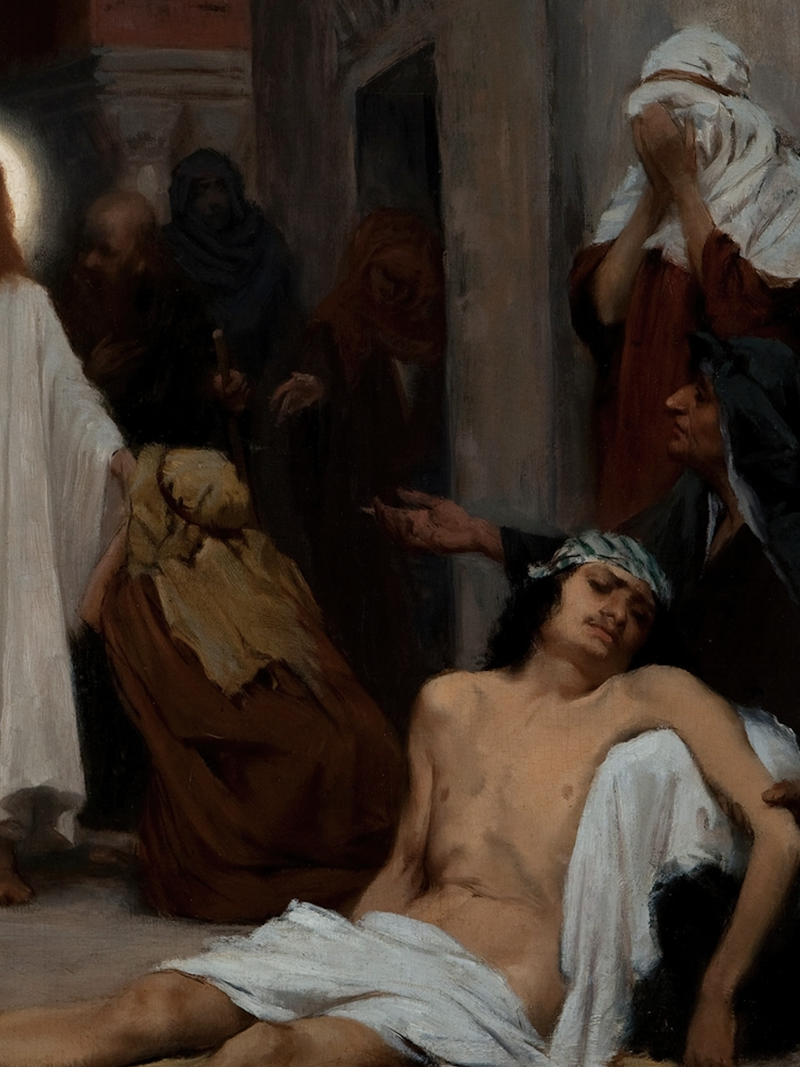
Eleonore Stump in her book Wandering in Darkness invites us to re-read the story of Lazarus (John 11) from Mary’s perspective. Stump argues that the story of Lazarus is a story of Mary, since both Lazarus and Martha are identified by their relationship with Mary. The true ending of the…

by Bogumil JarmulakSeptember 3, 2015
metro
Movies

Movies and Music with James Jordan

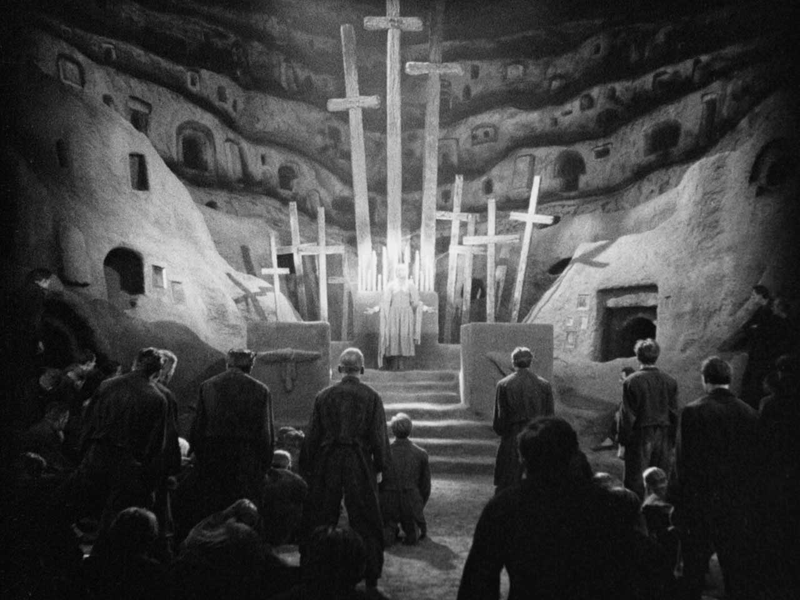
In his introduction to The Glory of Kings: A Festschrift in Honor of James B. Jordan , Peter Leithart says this about him: “Jordan is an unclassifiable thinker because he is an unclassifiable person . . . he closes his eyes in ecstasy listening to Messiaen or Rachmaninoff . .…

by Brian MoatsSeptember 2, 2015

Showing page 144 of 309

See all

Showing page 9 of 43

See all
Literature

Ibsen

Ibsen, Steiner argues, did not write tragedies. Ibsen wrote “dramatic rhetoric” calling society to reform. For real tragedy, there is no such “solution” to be found, there is no remedy, except destructive sacrifice and perhaps a deus ex machina. From this angle, tragedy is perhaps among the STOICHEIA that prepared…

January 7, 2004
Literature

More Quotations from Steiner

Some more quotations from Steiner’s Death of Tragedy : “We cannot understand the romantic movement if we do not perceive at the heart of it the impulse toward drama . . . . The romantic mode is neither an ordering nor a criticism of life; it is a dramatization. And…

January 7, 2004
Theology

NT Wright’s Rutherford House Lecture

Some thoughts on NT Wright’s Rutherford House Lecture, August 2003. I have little disagreement with much of the lecture, and it clarified a number of things for me. Wright’s views on justification, however, continue to puzzle me at a number of points. Here’s an attempt to clarify my (or NTW’s)…

January 7, 2004
Theology

NT Wright’s Rutherford House Lecture

Some thoughts on NT Wright’s Rutherford House Lecture, August 2003. I have little disagreement with much of the lecture, and it clarified a number of things for me. Wright’s views on justification, however, continue to puzzle me at a number of points. Here’s an attempt to clarify my (or NTW’s)…

January 7, 2004
Literature

European Drama

Steiner notes that, following the Renaissance, European drama operated under the shadows of neo-classical and Elizabethan dramatic practice, the former “closed” and rigidly adhering to Aristotelian criteria, the other open and experimental. He discusses the theory of Thomas Rymer (a neo-classicist) at some length, concluding that the controversies that Rymer…

January 6, 2004
Literature

Shakespearean Difference

George Steiner in his Death of Tragedy describes the “Shakespearean difference” as mainly due to Shakespeare’s avoidance of fascination with Hellenic models: “The neo-classic view [which rigidified Aristotelian conceptions of tragedy] expresses a growing perception of the miracle of Greek drama. This perception was fragmentary. There were few translations of…

January 6, 2004

Showing page 2141 of 2212

Browse by Category

In Medias Res

Your weekly digest for all things Theopolis.

Donate

Theopolis is nearly 100% donor-supported. Consider joining us on our mission.