Theopolis Logo

Writing

Explore our collection of theological essays, biblical studies, and reflections on faith and culture.

See all
or
Abortion

Political Hermeneutics: The Argument From Silence, Part 2

Click HERE for part 1. III This leads to a further question. I have argued that silence cannot by itself establish a Scriptural principle, but does Scripture’s silence carry any weight in itself? Does the fact that something is unbiblical in a weak sense tell us anything at all? In…

by Peter LeithartMarch 13, 1990

hebrew-manuscript-6
Biblical Chronology

Groping Through the Gaps

Although nowadays gap theories are associated with dispensationalism, it was not always so. In the nineteenth century, scholars from a variety of backgrounds (Anglican, Reformed, and proto-fundamentalist) seem to have become fascinated by gaps. If you are not familiar with what I am talking about, this newsletter will acquaint you…

by James B. JordanFebruary 26, 1990
or
Abortion

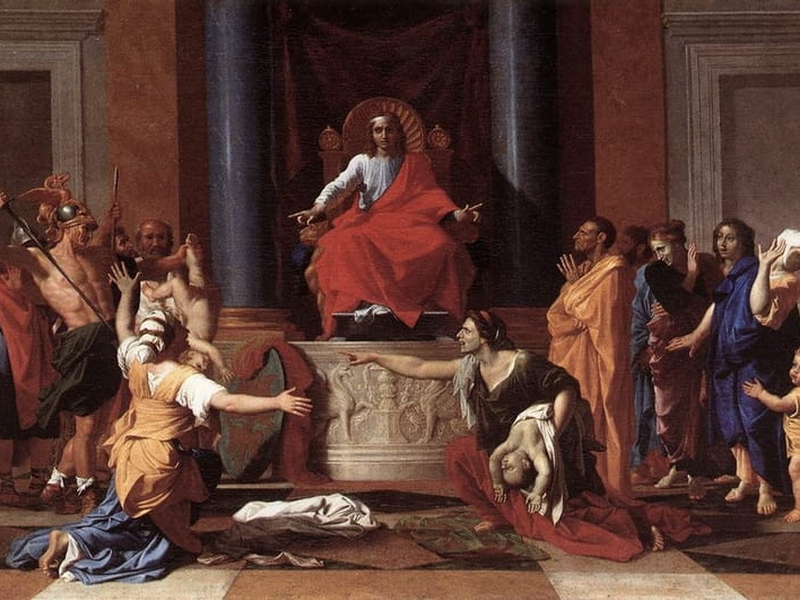
Political Hermeneutics: The Argument from Silence, Part 1

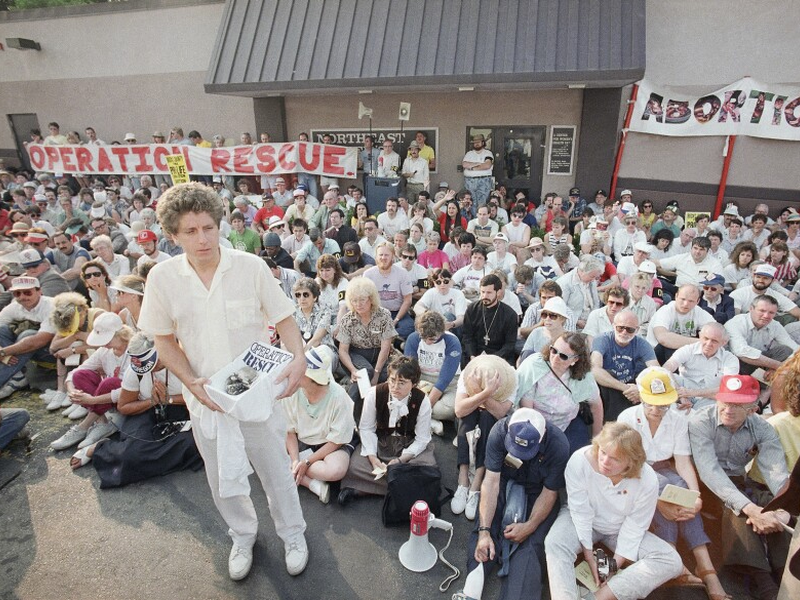
If the debate over Operation Rescue has proven anything, it has proven that there is absolutely no consensus among evangelicals in general, or among "reconstructionists" in particular, about how to use the Bible to judge political actions and movements. Each side of the debate claims biblical authority for its position,…

by Peter LeithartFebruary 13, 1990
49980-nicolas_poussin_-_the_judgment_of_solomon_-_wga18330-800w-tn
Biblical Studies

Advice From a Sojourner, Part 4

Two things I asked of Thee, Do not refuse me before I die: Keep deception and words of falsehood far from me, Give me neither poverty nor riches, Feed me with the food that it my portion, Lest I be full and deny Thee, And say, "Who is the LORD?"…

by James B. JordanFebruary 2, 1990
image-2
Biblical Horizons

Foucault’s Pendulum

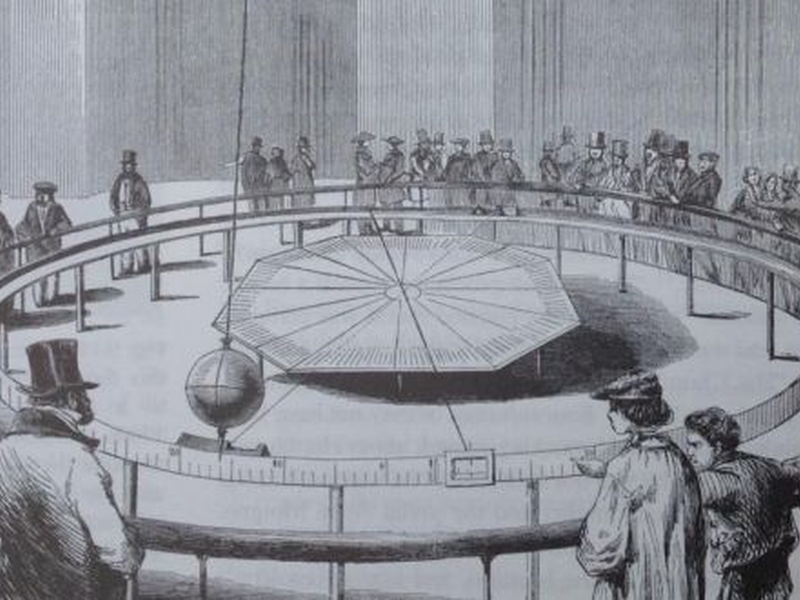
Umberto Eco’s "The Name of the Rose" was certainly one of the best literary works of the past decade, though the film version hardly measured up to it. Now Eco has given us a new novel, "Foucault’s Pendulum." Like Rose, Foucault’s Pendulum reflects on the limitations of human knowledge, and…

by James B. JordanJanuary 26, 1990
tanner-mardis-xuxghzhibn4-unsplash-1-2
Biblical Studies

What Is “Interpretive Maximalism”?

From time to time people ask me about "interpretive maximalism." They want to know what it is, and sometimes want to know if it represents some departure from the Reformed grammatico-historical, Biblico-theological approach to the Bible. I have something of a problem with these questions, because "interpretive maximalism" is not…

by James B. JordanJanuary 26, 1990

Showing page 305 of 309

See all

Showing page 9 of 43

See all
Music

Music and the Body

Daniel Albright ( Panaesthetics ) emphasizes the learned codes by which we discern musical meanings: “Today most of the codes that cue us to feel come from quotation, either direct quotation of musical phrases or indirect quotation of certain gestures we have learned to associate with certain emotions.” Learned where?…

February 4, 2015

Nevin’s Lament, Nevin’s Hope

The following remarks were given to introduce the first annual Nevin Lectures, February 7, 2014. Trinity House [now Theopolis] was founded in 2012 to promote the reformation of the church by training pastors, future pastors, and lay people in Scripture and liturgical theology. We believe the church exists for the…

February 4, 2015

Of Texts and Pre-Texts

Michael Allen and Scott Swain argue in their Reformed Catholicity (which I review here ) that the “rule of faith” that encapsulates the main thrust of Scripture provides a key that unlocks the treasures of Scripture. The rule arises from Scripture, but then becomes a pre-understanding of the whole Bible…

February 3, 2015

Signs

Revelation uses the word “sign” ( semeion ) seven times, all between chapters 12 and 20. This is John’s second book of signs, matching the early part of his gospel. Through these seven signs, new creation arrives. There are three overlapping variations in the passages that deal with signs -…

February 3, 2015

On the Forehead

Goliath is dressed in metal: Bronze helmet, bronze scale armor, bronze greaves. His javelin is bronze, the head of his spear is iron. The original metal outfit in the Bible is the breastplate of the high priest, with its gold thread woven with other threads. With his scale armor, Goliath…

February 3, 2015

Theology of Religions

W ith Their Rock Is Not Like Our Rock , Daniel Strange has written a superb book on the theology of religions. The book is careful, patient, methodologically conscious and conscientious, combining biblical and systematic theology with missiological interest. Strange makes extensive use of the Dutch Reformed tradition of Herman…

February 2, 2015

Showing page 468 of 2212

Browse by Category

In Medias Res

Your weekly digest for all things Theopolis.

Donate

Theopolis is nearly 100% donor-supported. Consider joining us on our mission.