Theopolis Logo

Writing

Explore our collection of theological essays, biblical studies, and reflections on faith and culture.

See all
cloister

Gatekeepers

1 Chronicles 9:1 seems to bring the genealogies of 1 Chronicles to an end. The Chronicler has recorded the genealogy of the human race from Adam, focusing on the descendants of Abraham through Jacob. Summing it all up, he says, “So all Israel was enrolled by genealogies; and behold, they…

by Peter LeithartJune 21, 2016
trinity-1-2
Trinity

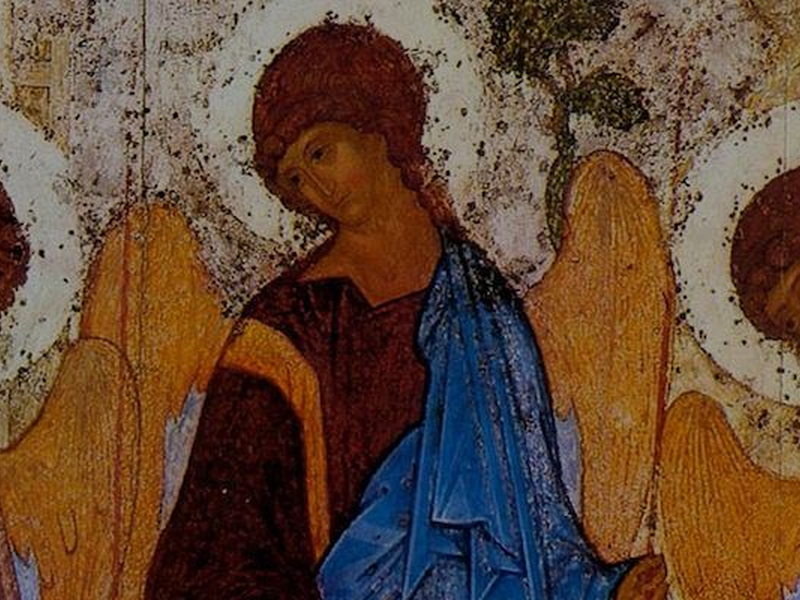
Are the Divine Persons Persons?

The “personalist” understanding of the Trinity, articulated most influentially in the work of John Zizioulas, has fallen on hard times. Recent scholars have attacked Zizioulas’s idea that Cappadocian Trinitarianism represented an ontological revolution, hammering on the distinction between divine and human personhood. Michel Barnes’s conclusion is the most drastic of…

by Peter LeithartJune 16, 2016
img_4660-2
Architecture

On Biblical Theology

Biblical Theology is often defined as the historical unfolding of God’s revelation, or of God’s revelation and of the history of his covenantal redemption and transformation of humanity and the world. In practice, Biblical Theology is usually broader than this, and also includes the study of literary structure and of…

by James B. JordanJune 14, 2016
laughing_statue_by_xxbobbiie-d5f0meh-2
Humor

Wise Laughter

We are made to be happy. Created to enter into the eternal joy of God, our whole being inclines to that end, but the fallen world has put forth barriers and by our own sin we bar ourselves from that endless delight, and death blinds us to that reality. Yet…

by Remy WilkinsJune 7, 2016
img_7664
Liturgy

Why Theopolis? Take Two

At the end of Revelation, John sees the heavenly city descending to earth. The city shines with the brilliance of God's glory, which lightens the nations, so that kings bring their glory to the city. This is not a vision of the final new heaven and new earth. It's a…

by Peter LeithartJune 2, 2016
trinity-1-2
Attributes of God

How Can We Talk About God?

“No one has ever seen God,” writes John (John 1:18). If this is the case, then how can we speak about God? Some people say we actually cannot. Or at least we cannot speak about God positively, i.e. who He is. We can only say who or what God is…

by Bogumil JarmulakMay 31, 2016

Showing page 130 of 309

See all

Showing page 9 of 43

See all

Humanizing Slaves

Exodus 21:26-27 requires a slave-owner to release a slave if he destroys his or her eye or tooth. Shalom Paul ( Studies in the Book of the Covenant , 78) claims that this is unprecedented in ancient law codes. He admits that "a slave is not considered the peer of…

April 13, 2018
Biblical Studies

Altar on the East

The Hebrew word for "east" is mizrach . The Hebrew word for "altar" is mizbeach . A pun? Perhaps. The bronze altars in the tabernacle and temple were in the court to the east of the front doorway (the eastern) doorway of the sanctuary. The mizbeach was on the mizrach…

April 13, 2018

River from the House

In Ezekiel 47, the prophet is shown a vision of a rebuilt temple. A river flows from the throne of Yahweh, under the threshold on the east of the house, and out to the land. As it flows, is makes the land fruitful, and when it reaches the Dead Sea…

April 13, 2018

Politics in Wood-World

For several decades, James Wood has bestridden the world of literary criticism like a Colossus. But Thomas Meaney suggests that there is something amiss in Wood-World. Meaney argues that "What distinguished Wood from most of his contemporaries and immediate predecessors was his focus on matters of aesthetic liberty over social…

April 13, 2018

Biblical Aesthetics

A recurring theme of medieval treatments of beauty, writes Umberto Eco (Art and Beauty in the Midlde Ages), is "the beauty of being in general. It was a period in whose history darkness and contradiction may be found, but its philosophers and theologians had an image of the universe that…

April 13, 2018

Of Water and Cisterns

Proverbs 5:15-23 follows the warnings of 5:1-14 concerning the seductive adulterous woman. The adulterous woman tempts by promising pleasure and, even more importantly, through flattery (vv. 2-3). The adulterous woman is attractive because she makes a young man feel oh so good about himself. Solomon goes on, however, to point…

April 12, 2018

Showing page 78 of 2212

Browse by Category

In Medias Res

Your weekly digest for all things Theopolis.

Donate

Theopolis is nearly 100% donor-supported. Consider joining us on our mission.