Theopolis Logo

Writing

Explore our collection of theological essays, biblical studies, and reflections on faith and culture.

See all
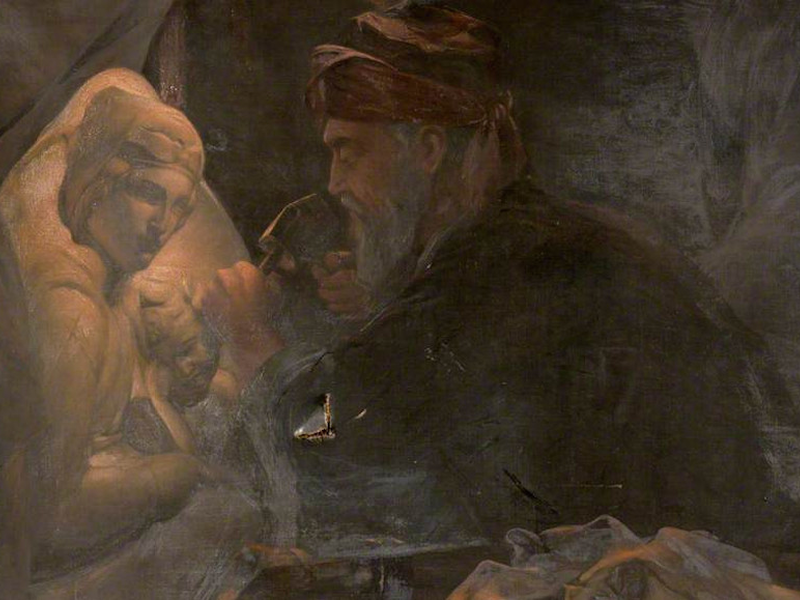
sculptor
Art

The Artist's Litany

If we say that we have no sin, we deceive ourselves, and the truth is not in us. (1 John 1:8) O God the Father, creator of heaven and earth, Alpha and Omega, beginning and end, who inspired Creation with the breath of your nostrils, who placed Adam in the…

by Christian LeithartFebruary 2, 2016
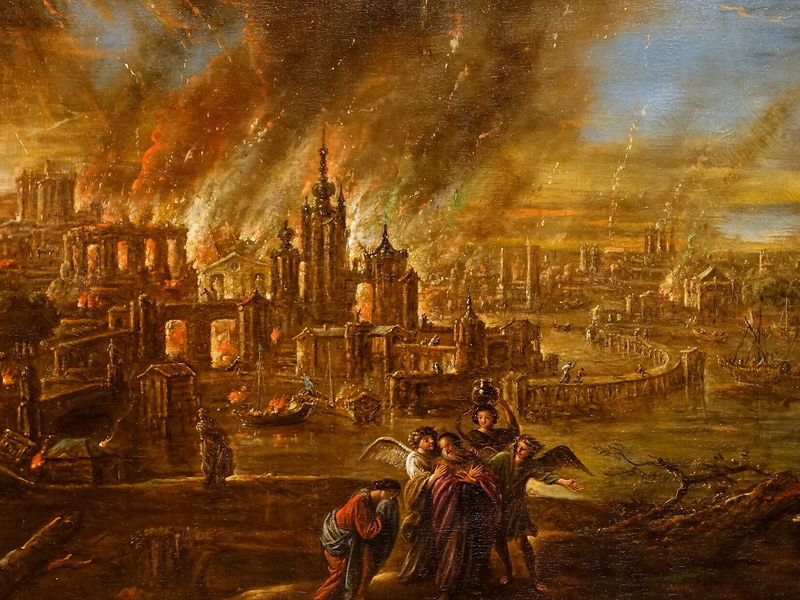
sodom_and_gomorrah_afire_by_jacob_jacobsz-_de_wet_d-_j-_probably_koln_c-_1680_oil_on_canvas_-_hessisches_landesmuseum_darmstadt_-_darmstadt_germany_-_dsc01149-e1632540497247
American Culture

American Sodom

For nearly a half-century, Sodom has been a key symbol in the American culture wars. On the one side, we have an aggressive movement among homosexuals that has first decriminalized homosexual conduct, then to force cultural and legal recognition of homosexuals as a minority and to normalize homosexual behaviors, finally…

by Peter LeithartJanuary 28, 2016
image-20150409-15244-1r08rsu
Biblical Theology

The Meaning of the Mount of Olives

Speaking of the Church, Romans 11:16-17 says, "And if the root be holy, the branches are also. But if some of the branches were broken off, and you, being a wild olive were grafted in among them and became partaker with them of the root of the fatness of the…

by James B. JordanJanuary 26, 2016
img_6134
Isaiah

No Sabbath for God

At the end of Isaiah 61, Yahweh's Servant rejoices because the Lord clothes Him with salvation and righteousness. He decks Him like a bridegroom with a garland on His head. He wears jewels like a bride. He is a new bridegroom in a new garden of Eden, a garden of…

by Peter LeithartJanuary 21, 2016
hebrew-manuscript-2
Biblical Law

Approaching the Torah

Before anything else, a word about “Torah” may be in order. I have been persuaded that “law” is a bad translation of “Torah,” even though it is evident that what is called “Torah” does have commandments, statutes, and ordinances in abundance. Why not “law?” “Law” as a translation for “Torah”…

by Ralph Allan SmithJanuary 19, 2016
jane-austen-2
Biblical Horizons

Jane Austen, Pundit

Few novelists seem as innocent of the temptation to punditry as Jane Austen. Though living through a period that witnessed the birth of an independent United States, the French Revolution and the Terror, the Napoleonic wars and the rise of revolutionary romanticism, and the upheavals of the Industrial Revolution, she…

by Peter LeithartJanuary 14, 2016

Showing page 137 of 309

See all
See all

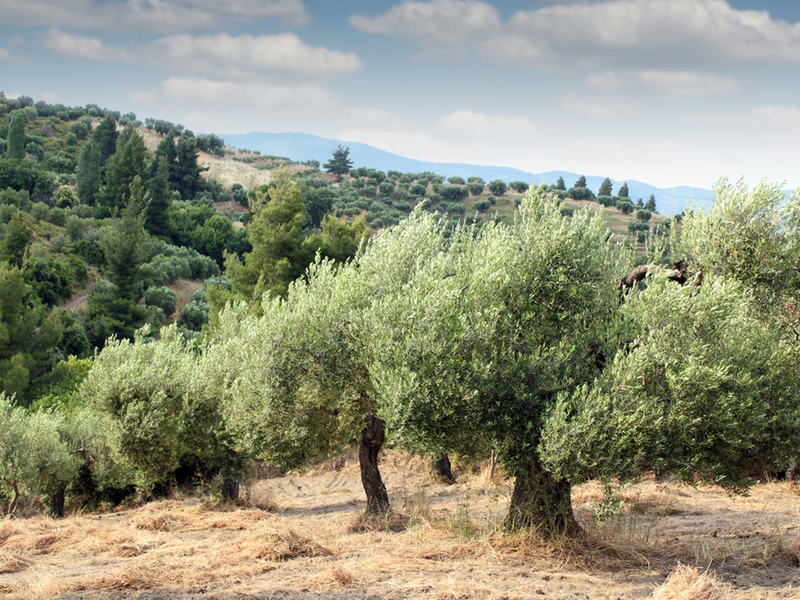
Consider the olive

Constantine says that some created things “possess wonderful properties, and the full apprehension of which is very difficult. Like hot springs. Or “the fruit of the olive-tree and the vine,” which “deserve especial notice; the one for its power of renovating and cheering the soul, the other because it ministers…

December 3, 2008
History

Empires of trust

Thomas Madden offers a contrarian analysis of American and Roman empire in his recent book, Empires of Trust . Most empires in history, he says, “have sought to build their power in whatever way they can, making war on their neighbors when it seems advantageous and continuing to do so…

December 3, 2008
History

Channeling Strauss

In another part of his oration, Constantine analyzes Virgil’s famed Fourth Eclogue, which Christians often took as a pagan prophecy of Christ. Constantine believes that it’s a deliberate prophecy, but one he deliberately obscured for fear of persecution: “these words are spoken plainly and at the same time darkly, by…

December 3, 2008

Ontology of violence

Constantine (of all people) provides a neat little analysis of the violent ontology of polytheism is his Good Friday oration, which Eusebius appended to the Life of Constantine : if the dominion of these [created] things, numberless as they are, were in the hands, not of one but of many,…

December 3, 2008
Biblical Studies

Mission and culture

The First Things web site today posted some of my biblical-theological reflections on missions and culture: http://www.firstthings.com.

December 2, 2008

Hebrews and Odyssey

Of course Hebrews is written to Hebrews, not to Greeks. But there are suggestive echoes of the proem of the Odyssey in the opening chapters of the letter. The first words of the letter, polymeros kai polytropos , remind me of Homer’s first description of his hero - polymetis ,…

December 2, 2008

Showing page 1440 of 2212

Browse by Category

In Medias Res

Your weekly digest for all things Theopolis.

Donate

Theopolis is nearly 100% donor-supported. Consider joining us on our mission.