Theopolis Logo

Writing

Explore our collection of theological essays, biblical studies, and reflections on faith and culture.

See all
screenshot-2024-04-04-at-4-49-39-pm
Apologetics

Christianity: Who Needs It?

Evangelistic Message to the Uninformed: 1 Timothy 3.14-16 Even though this is written as a sermon for delivery, and even though it was preached in a homiletics class, I decided I can’t post it as a sermon because it was not truly preached at a place where nonchristians wanted to…

by Mark HorneMay 7, 2024

carlo-alberto-burato-smdx3gleu_m-unsplash
Acts

Jesus’ Post-Resurrection Appearances

If we only read the Gospels of Mark and Luke, we might get the impression that Jesus’ ascension was on resurrection Sunday. Matthew speaks of going to Galilee but he does not put things into a clear time frame. John shows us that Jesus appeared to the disciples eight days…

by Ralph Allan SmithMay 1, 2024
alfons-morales-ylswjsy7stw-unsplash-1
Biblical Studies

The Bible and Western Literature

The most cursory glance at the history of Western literature reveals that it has been deeply influenced by the Bible. Some of the greatest classics of Western literature draw their plots, characters, and ideas largely from Scripture; Dante’s Divine Comedy and Milton’s Paradise Lost are two of the most notable…

by Peter LeithartApril 24, 2024
cederic-vandenberghe-21dp3hytvhw-unsplash
Biblical Theology

Inglorious Bastards

Few themes emerge as profoundly and persistently in the streams of biblical narrative as the conflict between light and darkness, and the juxtaposition of humanity with monstrosity. These themes not only weave through the fabric of Scripture, emerging in stories from Genesis to Revelation, but also stitch together the human…

by Kyle LammottApril 17, 2024
screenshot-2024-04-09-at-11-22-50-am
Luke

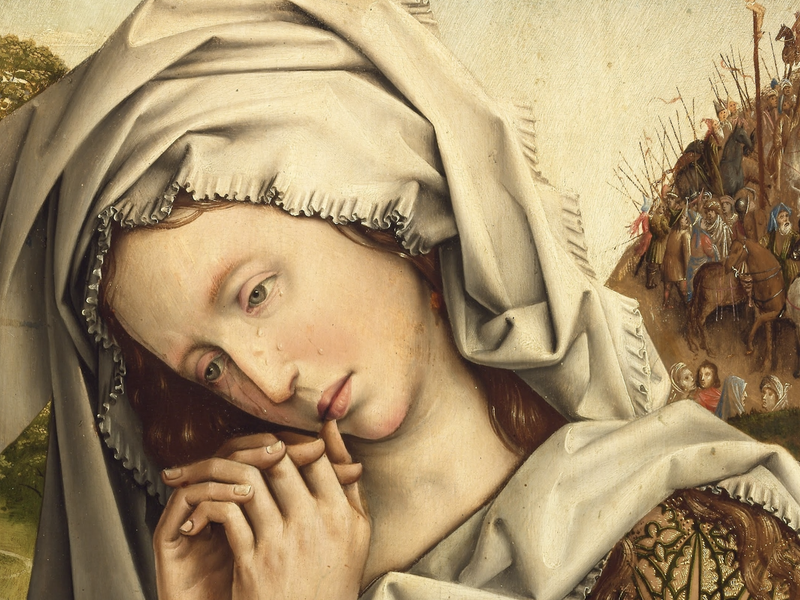
Mary Magdalene: Sister, Sinner, Saint

In John Wenham’s work, Easter Enigma , he devotes an entire chapter to Mary Magdalene, which is rephrased and summarized here. 1 One of the interesting things that Wenham said was that Mary Magdalene was the second “most favored woman in the Bible.” 2 He adds, “Yet apart from a…

by Ralph Allan SmithApril 9, 2024
screenshot-2024-04-04-at-4-50-53-pm

Daily Mutual Encouragement

God made man to live in a larger relational context, and even in high rebellion, man cannot escape his created nature. Instead, that nature takes revenge on rebellious man. Autonomous and alone, the self craves absolution but recognizes no authority that might give it; it thirsts for glory but rejects…

by Tim NicholsApril 4, 2024

Showing page 21 of 309

See all
See all

Consider the olive

Constantine says that some created things “possess wonderful properties, and the full apprehension of which is very difficult. Like hot springs. Or “the fruit of the olive-tree and the vine,” which “deserve especial notice; the one for its power of renovating and cheering the soul, the other because it ministers…

December 3, 2008
History

Empires of trust

Thomas Madden offers a contrarian analysis of American and Roman empire in his recent book, Empires of Trust . Most empires in history, he says, “have sought to build their power in whatever way they can, making war on their neighbors when it seems advantageous and continuing to do so…

December 3, 2008
History

Channeling Strauss

In another part of his oration, Constantine analyzes Virgil’s famed Fourth Eclogue, which Christians often took as a pagan prophecy of Christ. Constantine believes that it’s a deliberate prophecy, but one he deliberately obscured for fear of persecution: “these words are spoken plainly and at the same time darkly, by…

December 3, 2008

Ontology of violence

Constantine (of all people) provides a neat little analysis of the violent ontology of polytheism is his Good Friday oration, which Eusebius appended to the Life of Constantine : if the dominion of these [created] things, numberless as they are, were in the hands, not of one but of many,…

December 3, 2008
Biblical Studies

Mission and culture

The First Things web site today posted some of my biblical-theological reflections on missions and culture: http://www.firstthings.com.

December 2, 2008

Hebrews and Odyssey

Of course Hebrews is written to Hebrews, not to Greeks. But there are suggestive echoes of the proem of the Odyssey in the opening chapters of the letter. The first words of the letter, polymeros kai polytropos , remind me of Homer’s first description of his hero - polymetis ,…

December 2, 2008

Showing page 1440 of 2212

Browse by Category

In Medias Res

Your weekly digest for all things Theopolis.

Donate

Theopolis is nearly 100% donor-supported. Consider joining us on our mission.