Theopolis Logo

Writing

Explore our collection of theological essays, biblical studies, and reflections on faith and culture.

See all
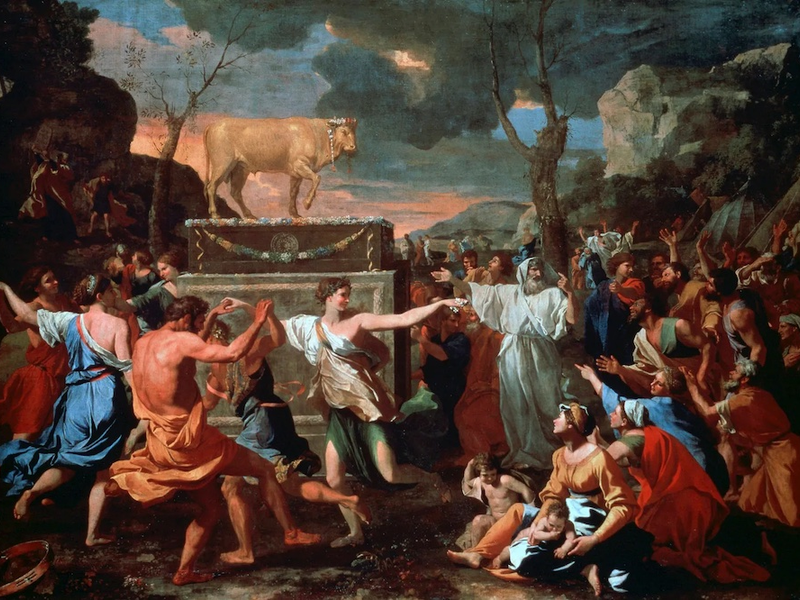
adoration-of-the-golden-calf-canvas-nicolas-1634-copy
Art

The Second Word IV: Implications

What About Catholics? (continued) Usually, such people are not seeking graven images, but rather their idolatry is of a broader character. They are seeking a home on earth. Scott Hahn’s book is called Rome Sweet Home . This is the essential sin, for there is no home on earth. The…

by James B. JordanDecember 7, 1994

screen-shot-2022-08-04-at-9-36-57-am
Biblical Studies

The Gospel and the Virtues

Reading the earliest Christian apologists is like watching a movie in which the hero has the means to demolish his opponents in his grasp but never realizes it. The apologists come across as men not altogether aware of the radical character of the gospel they defend. In response to charges…

by Peter LeithartNovember 23, 1994
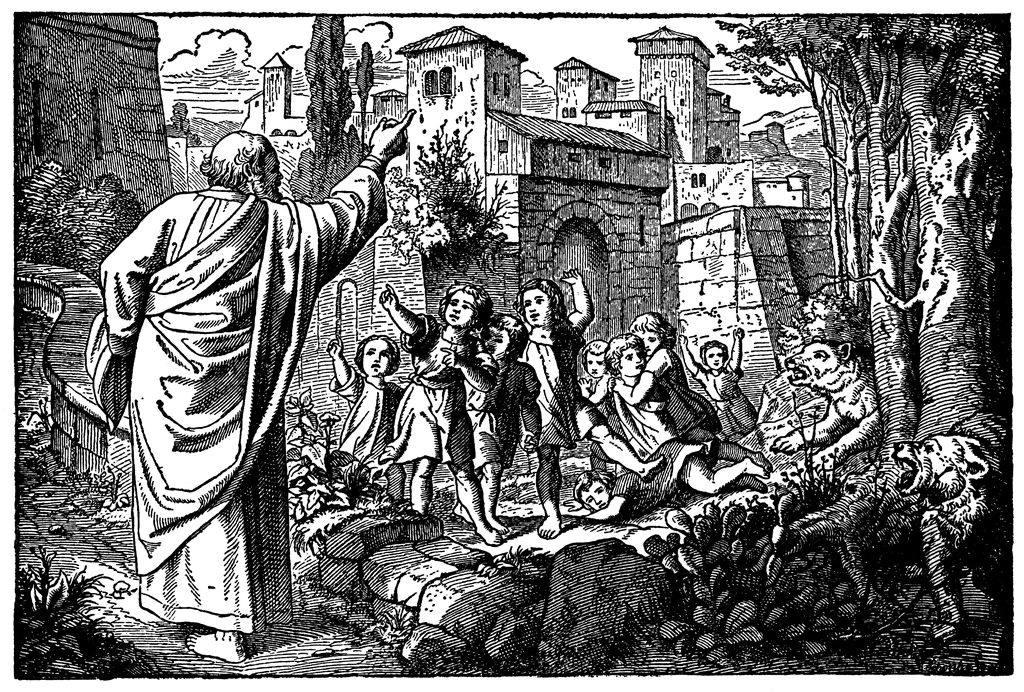
elisah-curses-boys
Biblical Studies

Suffer the Little Children

Then [Elisha] went up from there to Bethel; and as he was going up by the way, ne`arim came out from the city and mocked him and said to him, "Go up, you baldhead; go up, you baldhead!" When he looked behind him and saw them, he cursed them in…

by Peter LeithartNovember 23, 1994
annunciation-2
Biblical Chronology

Genesis 5 & 11: Chronological-Theological Reflections (Part 2)

Further Numerical Items of Interest Umberto Cassuto points out some other numerical factors in Genesis 5. 1 For one thing, he observes that every number in Genesis 5 is a multiple of 5, sometimes with the addition of 7. We have, in essence, made this point already. He also points…

by James B. JordanNovember 7, 1994
Biblical Horizons

The Second Word III: Exposition; Implications

Prostration God has designed the human body in a marvelous way, and Biblical religion is very physical. We believe in the resurrection of the body, against all pagan ideas of the immortality of the soul. We bury our bodies, not burning them. Human beings in their totality, including our bodies,…

by James B. JordanOctober 7, 1994
kiwihug-l4gw27xzn1i-unsplash
Revelation

The Last Eight Visions of Revelation

Since Revelation is laid out in serieses of sevens, it is worth investigating to see if there is a series of seven after the seven libation-bowls of chapter 16. I believe there is, and it is the burden of this essay to expose it. The series of sevens, or heptamerous…

by James B. JordanOctober 7, 1994

Showing page 275 of 309

See all
See all

Consider the olive

Constantine says that some created things “possess wonderful properties, and the full apprehension of which is very difficult. Like hot springs. Or “the fruit of the olive-tree and the vine,” which “deserve especial notice; the one for its power of renovating and cheering the soul, the other because it ministers…

December 3, 2008
History

Empires of trust

Thomas Madden offers a contrarian analysis of American and Roman empire in his recent book, Empires of Trust . Most empires in history, he says, “have sought to build their power in whatever way they can, making war on their neighbors when it seems advantageous and continuing to do so…

December 3, 2008
History

Channeling Strauss

In another part of his oration, Constantine analyzes Virgil’s famed Fourth Eclogue, which Christians often took as a pagan prophecy of Christ. Constantine believes that it’s a deliberate prophecy, but one he deliberately obscured for fear of persecution: “these words are spoken plainly and at the same time darkly, by…

December 3, 2008

Ontology of violence

Constantine (of all people) provides a neat little analysis of the violent ontology of polytheism is his Good Friday oration, which Eusebius appended to the Life of Constantine : if the dominion of these [created] things, numberless as they are, were in the hands, not of one but of many,…

December 3, 2008
Biblical Studies

Mission and culture

The First Things web site today posted some of my biblical-theological reflections on missions and culture: http://www.firstthings.com.

December 2, 2008

Hebrews and Odyssey

Of course Hebrews is written to Hebrews, not to Greeks. But there are suggestive echoes of the proem of the Odyssey in the opening chapters of the letter. The first words of the letter, polymeros kai polytropos , remind me of Homer’s first description of his hero - polymetis ,…

December 2, 2008

Showing page 1440 of 2212

Browse by Category

In Medias Res

Your weekly digest for all things Theopolis.

Donate

Theopolis is nearly 100% donor-supported. Consider joining us on our mission.