Theopolis Logo

Writing

Explore our collection of theological essays, biblical studies, and reflections on faith and culture.

See all
or
Abortion

Political Hermeneutics: The Argument From Silence, Part 2

Click HERE for part 1. III This leads to a further question. I have argued that silence cannot by itself establish a Scriptural principle, but does Scripture’s silence carry any weight in itself? Does the fact that something is unbiblical in a weak sense tell us anything at all? In…

by Peter LeithartMarch 13, 1990

hebrew-manuscript-6
Biblical Chronology

Groping Through the Gaps

Although nowadays gap theories are associated with dispensationalism, it was not always so. In the nineteenth century, scholars from a variety of backgrounds (Anglican, Reformed, and proto-fundamentalist) seem to have become fascinated by gaps. If you are not familiar with what I am talking about, this newsletter will acquaint you…

by James B. JordanFebruary 26, 1990
or
Abortion

Political Hermeneutics: The Argument from Silence, Part 1

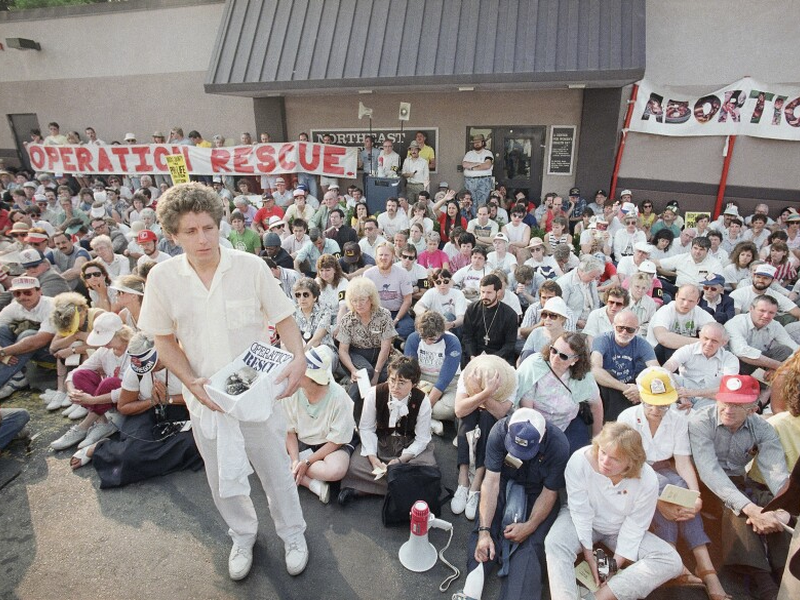
If the debate over Operation Rescue has proven anything, it has proven that there is absolutely no consensus among evangelicals in general, or among "reconstructionists" in particular, about how to use the Bible to judge political actions and movements. Each side of the debate claims biblical authority for its position,…

by Peter LeithartFebruary 13, 1990
49980-nicolas_poussin_-_the_judgment_of_solomon_-_wga18330-800w-tn
Biblical Studies

Advice From a Sojourner, Part 4

Two things I asked of Thee, Do not refuse me before I die: Keep deception and words of falsehood far from me, Give me neither poverty nor riches, Feed me with the food that it my portion, Lest I be full and deny Thee, And say, "Who is the LORD?"…

by James B. JordanFebruary 2, 1990
image-2
Biblical Horizons

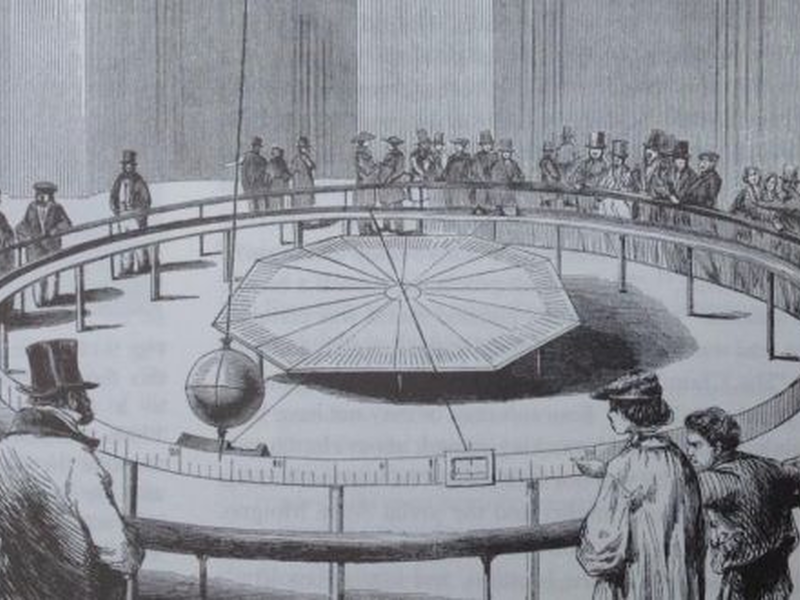
Foucault’s Pendulum

Umberto Eco’s "The Name of the Rose" was certainly one of the best literary works of the past decade, though the film version hardly measured up to it. Now Eco has given us a new novel, "Foucault’s Pendulum." Like Rose, Foucault’s Pendulum reflects on the limitations of human knowledge, and…

by James B. JordanJanuary 26, 1990
tanner-mardis-xuxghzhibn4-unsplash-1-2
Biblical Studies

What Is “Interpretive Maximalism”?

From time to time people ask me about "interpretive maximalism." They want to know what it is, and sometimes want to know if it represents some departure from the Reformed grammatico-historical, Biblico-theological approach to the Bible. I have something of a problem with these questions, because "interpretive maximalism" is not…

by James B. JordanJanuary 26, 1990

Showing page 305 of 309

See all
See all

Eternal creation

Khaled Anatolios notes that Origen argued that “if God is eternally alighty, there must always be a creation over which God is sovereign.” Athanasius feels the force of the argument, but “transposes this line of reasoning to argue that if God is Creator, he must be eternally in possession of…

October 19, 2008
Theology

Classical theism

Those leading the assault on “classical theism” in recent decades has charged that the classical doctrine of God in Christian theology has reduced God to an impassive Stoic at best, and impersonal Substance at worst. Few can lay more direct claim to having founded “classical theism” than Athanasius, and yet…

October 19, 2008
Theology

Athanasius, Predestinarian

In an extended discussion of the Christological import of Proverbs 8, Athanasius argues that the phrases “before the ages” and “before the mountains were set in place” refer to God’s preparation of the economy of grace: “Being himself good and the lover of humanity, he prepared beforehand the economy of…

October 19, 2008

Intrinsicism

Athanasius opposed to extrinicism in every form. Most obviously, he opposes the Arian effort to make the Son external to the Father and to the being of God. But that intrinsicism unfolds in an intrinsicist, christologically grounded soteriology. Why couldn’t God have sent a creature to save us? he presents…

October 19, 2008
Philosophy

Bewitched by language

In a proto-Wittgensteinian vein, Hamann wrote to Jacobi: “Metaphysics has its own school and court languages . . . and I am incapable of either understanding or making use of them. Hence I am close to suspecting that the whole of our philosophy consists more of language than of reason,…

October 15, 2008
Philosophy

Rational is real

In the Berlin-doesn’t-get-Hamann department, there’s also Berlin’s claim that for Hamann “existence logically precedes reason” and “there exists a pre-rational reality.” Not exactly. The world is there before we start reflecting on it; it’s got to be there for us to reflect on it. But for Hamann the real is…

October 15, 2008

Showing page 1459 of 2212

Browse by Category

In Medias Res

Your weekly digest for all things Theopolis.

Donate

Theopolis is nearly 100% donor-supported. Consider joining us on our mission.