Theopolis Logo

Writing

Explore our collection of theological essays, biblical studies, and reflections on faith and culture.

See all
isaiah-commission
Isaiah

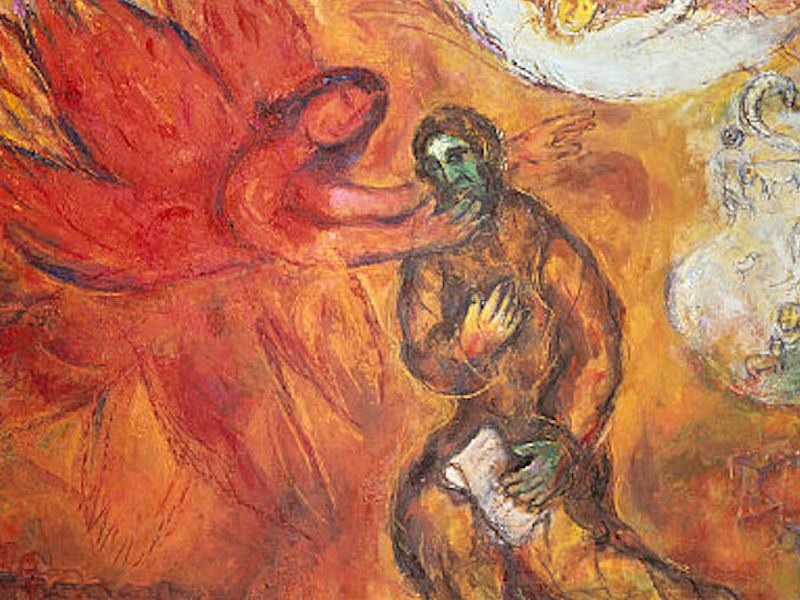
To An Unclean People

The book of Isaiah has a very brief introduction, one verse, and then plunges into a searing indictment of the people of Judah and Jerusalem. They are sons who do not honor their father, worse than donkeys and oxen who at least know their master. They are a bruised and…

by Peter LeithartSeptember 1, 2015

sixteen-miles-out-al48tflf4e8-unsplash
Biblical Studies

Apologia on Reading the Bible, (Part 3)

This is the third of a three-part essay. The Literary Reader As a conclusion to this essay, I want to make some observations that grow out of C. S. Lewis’s remarkable Experiment in Criticism , mentioned in an earlier installment. What Lewis is interested in doing is coming up with…

by James B. JordanAugust 27, 2015
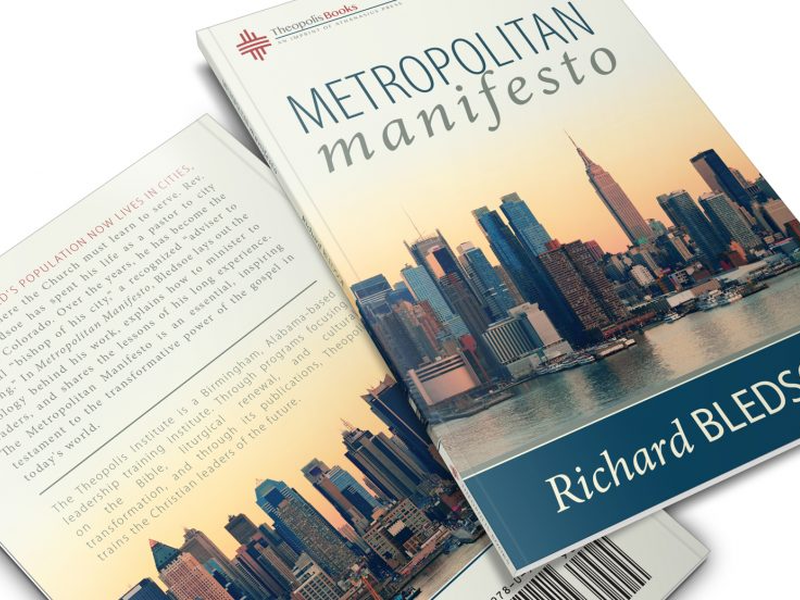
metropolitanmanifesto-3dfrontback-promo-3
Theopolis News

Metropolitan Manifesto: Available Now!

Metropolitan Manifesto, the new work from Theopolis fellow Richard Bledsoe, and first "Theopolis Books" release, is out today! Head over to the Athanasius Press website to get a copy. Half the world's population now lives in cities, and that is where the Church must learn to serve. Rev. Richard Bledsoe…

by Brian MoatsAugust 25, 2015
medievalilluminatedmanuscript
Biblical Studies

Apologia on Reading the Bible, (Part 2)

This is the second portion of a three-part essay. Learning to Read Learning to read the Bible is easier said than done, of course. There are several reasons for this, and they all have to do with the art of reading. Reading is an art and not a science, and…

by James B. JordanAugust 25, 2015
img_1069
Theopolis News

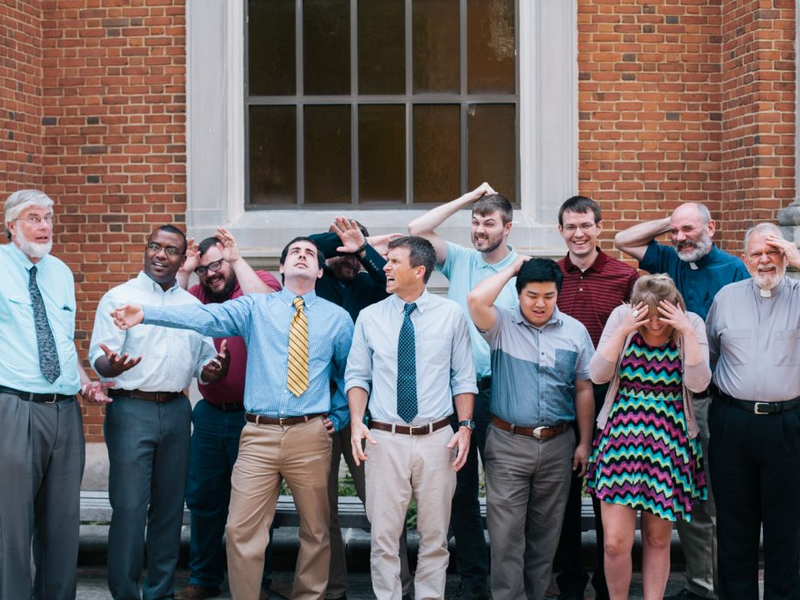
Mission to the City

“It instilled a real and abiding change in the way I understand my life as a disciple of Jesus Christ,” said Clint Hail, a Community Development Coordinator out of Dallas who attended Theopolis’ course on Mission to the City . “The course renovated the way I understand the challenges facing,…

by Brian MoatsAugust 21, 2015
hebrew-manuscript
Hermeneutics

Apologia on Reading the Bible, (Part 1)

What does it mean to read the Bible as inspired literature? The method is not new nor is it uncommon in Dutch Reformed circles. Exegesis must be Christocentric, plenary (all the text serves a theological purpose), respect the context in God’s redemptive plan, and plumb the full literary depth of…

by James B. JordanAugust 20, 2015

Showing page 145 of 309

See all
See all
Philosophy

Hamann and Mendelssohn

I fell for it. Hamann begins a brief discussion of the temporality of truth apparently agreeing with Mendelssohn, “I, too, know of no eternal truths except those who are unceasingly temporal.” Stephen Dunning ( Tongues of Men ) explains the dense irony of the statement. Hamann is responding to Mendelssohn’s…

September 27, 2008
Uncategorized

Observation and prophecy

Hamann writes, “The spirit of observation and the spirit of prophecy are the wings of human genius. All that is present belongs to the domain of the former; all that is absent, the past and the future, belongs to the domain of the latter. Philosophical genius expresses its power through…

September 27, 2008
Uncategorized

Words and meanings

Hamann (“Metacritique”) says that “words as undetermined objects of empirical concepts are entitled critical appearances, specters, non-words or unwords, and become determinate objects for the understanding only through their institution and meaning in usage. This meaning and its determination arises, as everyone knows, from the combination of a word-sign, which…

September 27, 2008
Philosophy

Temporality of truth

Hamann agreed with Mendelssohn that there are “no eternal truths save as incessant temporality,” and in this he locates the difference between Judaism and Christianity: “it is solely a matter of temporal truths of history, which occurred once and never come again - of facts which have become true at…

September 27, 2008
History

Prophetic history

Hamann from “Golgotha and Sheblimini”: “the entire range of human events and the whole course of their vicissitudes would be encompassed and divided into subsections just as the starry firmament is divided into figures, without knowing the stars’ number. Hence the entire history of the Jewish people, by the allegory…

September 27, 2008

Multiplied curse

Before God tells creatures to “be fruitful and multiply,” He blesses them. Blessing is a verbal pronouncement that proliferates. But so is curse: “Your sorrows will be multiplied,” Yahweh tells Eve at the gate of the garden, and later wicked people multiply on the earth, long before the righteous do.

September 27, 2008

Showing page 1466 of 2212

Browse by Category

In Medias Res

Your weekly digest for all things Theopolis.

Donate

Theopolis is nearly 100% donor-supported. Consider joining us on our mission.