Theopolis Logo

Writing

Explore our collection of theological essays, biblical studies, and reflections on faith and culture.

See all
tim-marshall-k2u71wv2ei4-unsplash
Modernity

Protestantism and the Postmodern self

Postmodernism has, we are told, “decentered” the modern self, that unified, sovereign, isolated, godlike “thinking thing” discovered by Rene Descartes. The postmodern self is not single but multiple; not sovereign but controlled by external forces; not isolated but “embedded” in the world and in relation; not godlike, but human, all…

by Peter LeithartMay 6, 2013

kiwihug-l4gw27xzn1i-unsplash
Matthew

Law and History: How to Read the Law of Moses (Part 8)

This is the eighth in a series of studies on Deuteronomy 22:30-23:8. And Jesus went out thence, and withdrew into the parts of Tyre and Sidon. And behold, a Canaanitish woman came out from those borders, and cried, saying, Have mercy on me, O Lord, thou son of David; my…

by Ralph Allan SmithMay 1, 2013
screen-shot-2023-09-20-at-7-04-07-am
Augustine

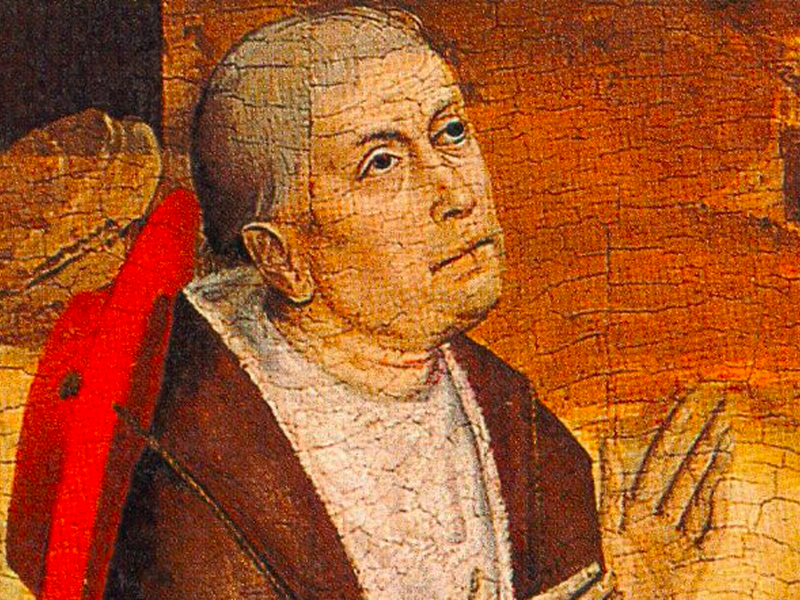
A Cusan Modernity?

The fifteenth-century German Cardinal Nicholas of Cusa led a busy and wide-ranging life. Educated in liberal arts and law at Heidelberg and Padua, Nicholas was a leading figure in the Conciliarist movement, and later served as a papal legate to both Constantinople and throughout Germany. As Bishop of Brixen, he…

by Peter LeithartApril 29, 2013
screenshot-2023-07-27-at-10-25-35-am
Deuteronomy

Law and History: How to Read the Law of Moses (Part 7)

This is the seventh in a series of studies on Deuteronomy 22:30-23:8. Thou shalt not abhor an Edomite, for he is thy brother; thou shalt not abhor an Egyptian, because thou wast a sojourner in his land. The children of the third generation that are born unto them shall enter…

by Ralph Allan SmithApril 25, 2013
ivan-aleksic-16yxcjsoaek-unsplash
Romans

What Advantage the Jew?

A sermon on Romans 3:1-8. 1 Then what advantage has the Jew? Or what is the value of circumcision? 2 Much in every way. To begin with, the Jews were entrusted with the oracles of God. A lot of people speculate here about what kind of advantage Paul is talking…

by Mark HorneApril 22, 2013
screenshot-2023-07-27-at-10-25-35-am
Deuteronomy

Law and History: How to Read the Law of Moses (Part 6)

This is the sixth in a series of studies on Deuteronomy 22:30-23:8. An Ammonite or a Moabite shall not enter into the assembly of Yahweh; even to the tenth generation shall none belonging to them enter into the assembly of Yahweh forever: because they met you not with bread and…

by Ralph Allan SmithApril 17, 2013

Showing page 195 of 309

See all
See all

Torah and Christ

Thomas writes in his commentary on John that “things were written in the Old Testament because they would be fulfilled by Christ. If we say that Christ acted because the scriptures foretold it, it would follow that the New Testament existed for the sake of the Old Testament and for…

May 30, 2008

Jacob Limping

Matthew Levering wisely rejects von Balthasar’s notion that Ezra-Nehemiah is “like a brook in the process of drying up”: “Why should the rebuilding of the temple and the renewal of obedience to the Torah, despite the diminishment of the splendor of the temple and the continuing failure fully to observe…

May 30, 2008
History

Bible and intellect

In a review of George Steiner’s latest book in the May 2 TLS, David Martin speculates on the connection between biblical exegesis and the development of intellectual toughness. For Jews and Scots, he says, “there are the intellectual resources built up by strenuous exercises, in wresting sense from sometimes recalcitrant…

May 28, 2008
Music

Music and mysticism

Music is often considered the most mystical, ephemeral, ethereal of all arts. For some, music is for this reason the most perfect, the most purely artistic, of all arts. Maybe. But think: When Bach wants to “comment” (Calvin Stapert’s term) on the chorale “Wachet auf” in Cantata 140, he gives…

May 28, 2008

Matthew’s Angels

The distribution of angelic appearances in Matthew is significant. Angels actually appear as characters in the story only in chapters 1-4 and 28. In total, there are seven uses of “angel” in passages that describe angels as characters (1:20, 24; 2:13, 19; 4:11; 28:2, 5; there is also Satan’s quotation…

May 28, 2008

They sat down

When the fisherman in the dragnet parable (Matthew 13:47-50) pull the net to the beach, they “sat down” in order to gather the good fish and throw the bad away. Why sit? Comfort? I doubt it. Jesus is talking about the end of the age, when the Twelve, made fishers…

May 28, 2008

Showing page 1512 of 2212

Browse by Category

In Medias Res

Your weekly digest for all things Theopolis.

Donate

Theopolis is nearly 100% donor-supported. Consider joining us on our mission.