Theopolis Logo

Writing

Explore our collection of theological essays, biblical studies, and reflections on faith and culture.

See all
trnava-university-beeyeib-am8-unsplash
Biblical Chronology

Meredith G. Kline Strikes Back, Part 2

In our first essay we looked at Kline’s flawed exegesis of Genesis 2:5 as it relates to Day 3 of creation. Now we turn to Kline’s new argument against a chronological reading of Genesis 1, as found, again, in "Space and Time in the Genesis Cosmogony," Perspectives on Science and…

by James B. JordanMarch 29, 1997
30211-bathsheba-800w-tn
Hermeneutics

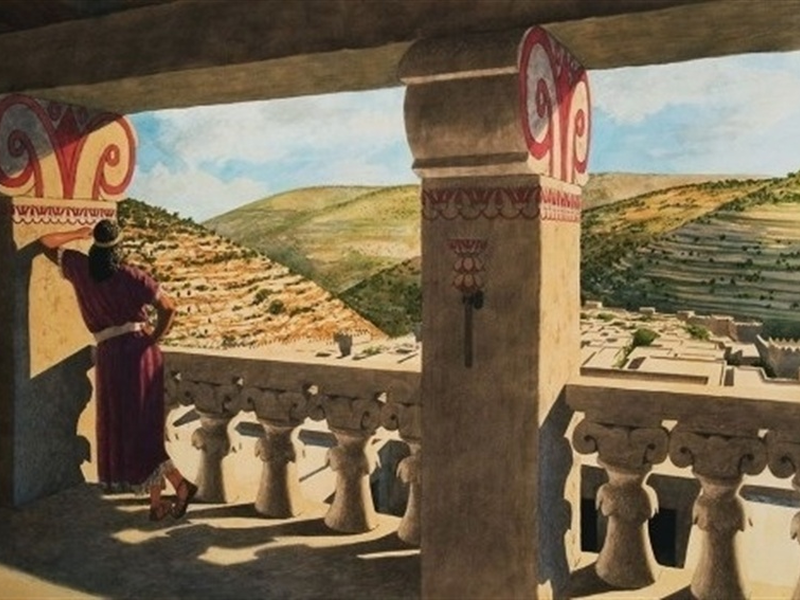
Bathsheba: The Real Story

One of the advantages of paying very close attention to the details in the Bible, especially chronological and genealogical details, is that they can shed light on situations that don’t seem to make much sense apart from them. One such situation is that of Bathsheba. It appears that Bathsheba willingly…

by James B. JordanMarch 28, 1997
jonathan-cooper-ygxq7hfdjzq-unsplash
Church Calendar

Is the Church Year Biblical? | A Parking Lot Parable

Once upon a time, Jeff Meyers and Tony Rollins–old friends who had not seen each other for a few years–met in the parking lot of a neighborhood church. They were dropping off their pre-school children at the church for Mother’s Day Out. They were such conscientious and helpful fathers. As…

by Jeff MeyersMarch 20, 1997
annie-spratt-upxf6to3fea-unsplash
Daniel

The Allegory of Susanna

Years ago, when I was at the briefly-existing Geneva Divinity School, I taught a course in the Apocrypha. One thing that struck me at that time is that two of the stories are almost certainly religious allegories (as well as moral tales): Judith and Susanna. Since "Susanna" means "Lily," this…

by James B. JordanFebruary 28, 1997
serafima-lazarenko-_ivuwprfczi-unsplash
Biblical Horizons

A Blossom of Yahweh’s Field

Peter’s essay inspires me to write up some similar thoughts about the flower of the field. Rightly does Peter associate the almond with Yahweh’s garden, because the Garden of Eden is symbolically positioned as parallel to the Holy Place of the Tabernacle and Temple. To wit: Since Aaron’s rod blossomed…

by James B. JordanFebruary 28, 1997
trnava-university-beeyeib-am8-unsplash
Biblical Chronology

Meredith G. Kline Strikes Back, Part 1

We have had occasion to discuss the views of Meredith G. Kline previously in these newsletters, and now it is time to do so again. Kline teaches at Gordon-Conwell Theological Seminary and also at the Westminster Theological Seminaries (Philadelphia and San Diego). He is the author of some interesting insights…

by James B. JordanFebruary 28, 1997

Showing page 259 of 309

See all
See all

Torah and Christ

Thomas writes in his commentary on John that “things were written in the Old Testament because they would be fulfilled by Christ. If we say that Christ acted because the scriptures foretold it, it would follow that the New Testament existed for the sake of the Old Testament and for…

May 30, 2008

Jacob Limping

Matthew Levering wisely rejects von Balthasar’s notion that Ezra-Nehemiah is “like a brook in the process of drying up”: “Why should the rebuilding of the temple and the renewal of obedience to the Torah, despite the diminishment of the splendor of the temple and the continuing failure fully to observe…

May 30, 2008
History

Bible and intellect

In a review of George Steiner’s latest book in the May 2 TLS, David Martin speculates on the connection between biblical exegesis and the development of intellectual toughness. For Jews and Scots, he says, “there are the intellectual resources built up by strenuous exercises, in wresting sense from sometimes recalcitrant…

May 28, 2008
Music

Music and mysticism

Music is often considered the most mystical, ephemeral, ethereal of all arts. For some, music is for this reason the most perfect, the most purely artistic, of all arts. Maybe. But think: When Bach wants to “comment” (Calvin Stapert’s term) on the chorale “Wachet auf” in Cantata 140, he gives…

May 28, 2008

Matthew’s Angels

The distribution of angelic appearances in Matthew is significant. Angels actually appear as characters in the story only in chapters 1-4 and 28. In total, there are seven uses of “angel” in passages that describe angels as characters (1:20, 24; 2:13, 19; 4:11; 28:2, 5; there is also Satan’s quotation…

May 28, 2008

They sat down

When the fisherman in the dragnet parable (Matthew 13:47-50) pull the net to the beach, they “sat down” in order to gather the good fish and throw the bad away. Why sit? Comfort? I doubt it. Jesus is talking about the end of the age, when the Twelve, made fishers…

May 28, 2008

Showing page 1512 of 2212

Browse by Category

In Medias Res

Your weekly digest for all things Theopolis.

Donate

Theopolis is nearly 100% donor-supported. Consider joining us on our mission.