Theopolis Logo

Writing

Explore our collection of theological essays, biblical studies, and reflections on faith and culture.

See all
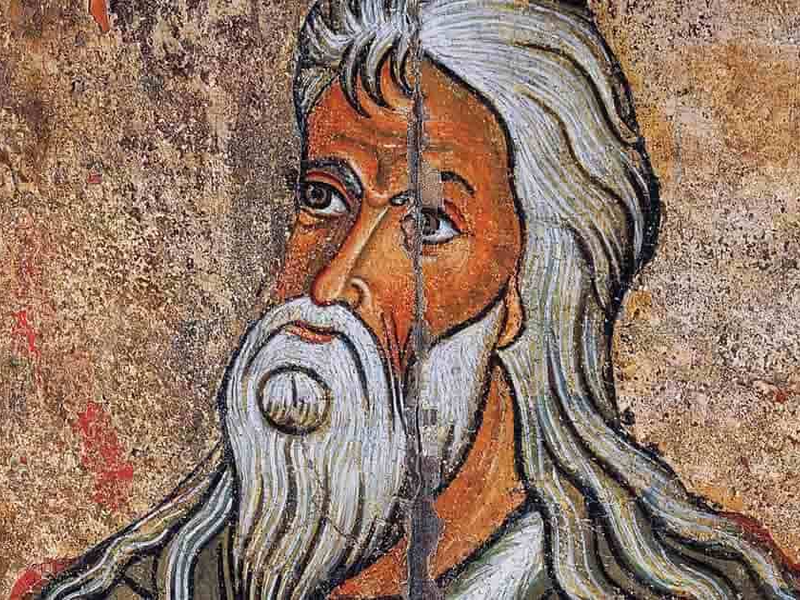
elijah-1200x630-min
Biblical Horizons

Elijah’s Exodus

1 Kings 17, which abruptly introduces Elijah into the history of the northern kingdom, is a carefully constructed literary unit. In its basic structure, it follows a clear exodus-return pattern. Like Jacob and his sons, Elijah was driven out of the land by a famine (vv. 1-4). In exile, Elijah…

by Peter LeithartJune 17, 1992

ales-krivec-4mibe6zg5r0-unsplash
Biblical Studies

All Things New

Now the Pharisees, who were lovers of money, were listening to all these things and they were scoffing at Him. And He said to them, "You are those who justify yourselves in the sight of men, but God knows your hearts; for that which is highly esteemed among men is…

by Mark HorneJune 6, 1992
aaron-burden-h8s0pf2rcqs-unsplash
Biblical Chronology

Chronologies and Kings, Part 11: The Knots of 2 Kings 11-14

In the year 3119, Ahaziah of Judah and Jehoram of Israel were both slain by Jehu as he carried out his God-appointed task of eliminating the seed and house of Ahab (2 Kings 9:13-33). Since the kings of Israel are usually counted as beginning their reign in the same year…

by James B. JordanMay 24, 1992
trnava-university-beeyeib-am8-unsplash
Biblical Studies

Gleanings from Robert Alter’s "Art of Biblical Narrative"

One of the most important developments in Biblical studies in recent years has been a movement of scholars devoted to studying the literary techniques of the Biblical writers. Tremper Longman, III of Westminster Theological Seminary has treated this movement from a Reformed perspective in his Literary Approaches to Biblical Interpretation…

by Peter LeithartMay 17, 1992
ian-schneider-iqbc4vu4ypq-unsplash
Biblical Horizons

Tentmaking

And because [Paul] was of the same trade, he stayed with [Aquila and Priscilla] and they were working; for by trade they were tentmakers (Acts 18:3). The fact that Paul was by trade a tentmaker has usually been taken as the springboard for a discussion of whether pastors should have…

by James B. JordanApril 24, 1992
screen-shot-2022-05-12-at-12-07-23-pm
Biblical Studies

Chronologies and Kings, Part 10: Jehoram of Judah

I pointed out in Chronologies and Kings Part 9 that the years of Judah’s kings are given in chronological fashion. "When we read of a Judahite king’s reign as lasting 4 years, it means that 4 years of the chronology have been given to him, and there is no chronological…

by James B. JordanApril 24, 1992

Showing page 290 of 309

See all
See all

Torah and Christ

Thomas writes in his commentary on John that “things were written in the Old Testament because they would be fulfilled by Christ. If we say that Christ acted because the scriptures foretold it, it would follow that the New Testament existed for the sake of the Old Testament and for…

May 30, 2008

Jacob Limping

Matthew Levering wisely rejects von Balthasar’s notion that Ezra-Nehemiah is “like a brook in the process of drying up”: “Why should the rebuilding of the temple and the renewal of obedience to the Torah, despite the diminishment of the splendor of the temple and the continuing failure fully to observe…

May 30, 2008
History

Bible and intellect

In a review of George Steiner’s latest book in the May 2 TLS, David Martin speculates on the connection between biblical exegesis and the development of intellectual toughness. For Jews and Scots, he says, “there are the intellectual resources built up by strenuous exercises, in wresting sense from sometimes recalcitrant…

May 28, 2008
Music

Music and mysticism

Music is often considered the most mystical, ephemeral, ethereal of all arts. For some, music is for this reason the most perfect, the most purely artistic, of all arts. Maybe. But think: When Bach wants to “comment” (Calvin Stapert’s term) on the chorale “Wachet auf” in Cantata 140, he gives…

May 28, 2008

Matthew’s Angels

The distribution of angelic appearances in Matthew is significant. Angels actually appear as characters in the story only in chapters 1-4 and 28. In total, there are seven uses of “angel” in passages that describe angels as characters (1:20, 24; 2:13, 19; 4:11; 28:2, 5; there is also Satan’s quotation…

May 28, 2008

They sat down

When the fisherman in the dragnet parable (Matthew 13:47-50) pull the net to the beach, they “sat down” in order to gather the good fish and throw the bad away. Why sit? Comfort? I doubt it. Jesus is talking about the end of the age, when the Twelve, made fishers…

May 28, 2008

Showing page 1512 of 2212

Browse by Category

In Medias Res

Your weekly digest for all things Theopolis.

Donate

Theopolis is nearly 100% donor-supported. Consider joining us on our mission.