Theopolis Logo

Writing

Explore our collection of theological essays, biblical studies, and reflections on faith and culture.

See all
img_0166-2
How to Worship

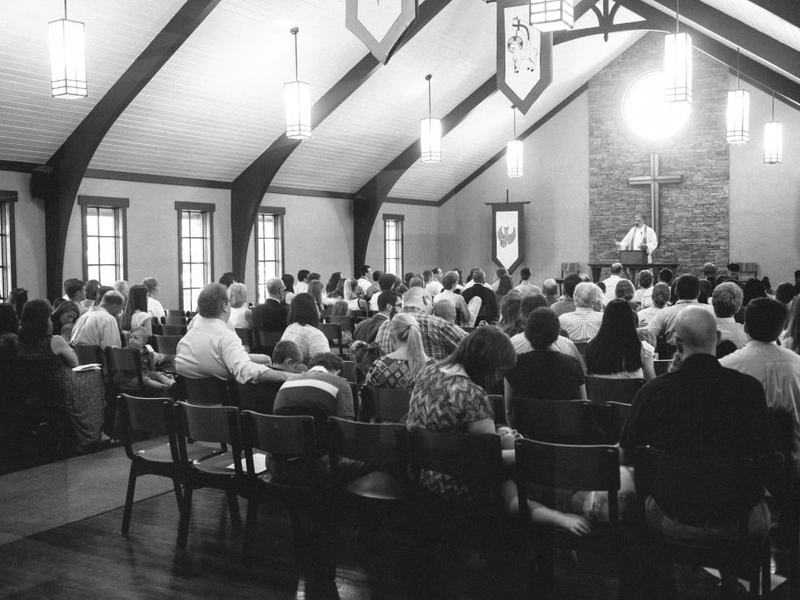
How Liturgy Simplifies Worship for the Cognitively Impaired

Suffer little children, and forbid them not, to come unto Me. In 2005, God blessed our family with our third child, our second daughter, whom we named Bethany. As soon as Bethany was born, we knew there was something different about her. Unlike her two older siblings, who were born…

by Gregory LaughlinMay 4, 2017
screen-shot-2017-05-01-at-1-09-10-pm
Creeds

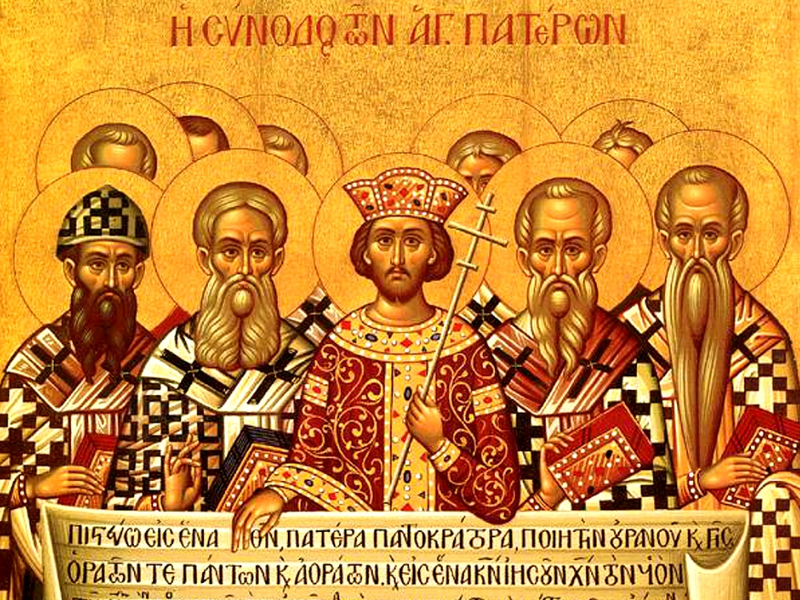
How Pastors Can Incorporate the Creeds in their Churches

Christian, what is it that we believe? While Creeds like the Nicene and Apostle’s have been fundamental pieces of Christian liturgy and life, the American Church is highly unattached to these classic statements. From this creedal phobia has arisen the popular “No Creed, but Christ” slogan. Such slogan, of course,…

by Uri BritoMay 2, 2017
wars-of-religion
Books

Myth of Religious Violence

Revisiting William Cavanaugh’s devastating 2009 The Myth of Religious Violence . The myth of Cavanaugh’s title is a well-known one. According to the myth, religion is a distinct sphere of human life and practice from the rest of human social life, a universal impulse in human beings, and is dogmatic,…

by Peter LeithartApril 27, 2017
resurrection
Church Calendar

A Glad New Day

19 Then the same day at evening, being the first day of the week, when the doors were shut where the disciples were assembled for fear of the Jews, came Jesus and stood in the midst, and saith unto them, Peace be unto you. 20 And when he had so…

by Arthur KayApril 25, 2017
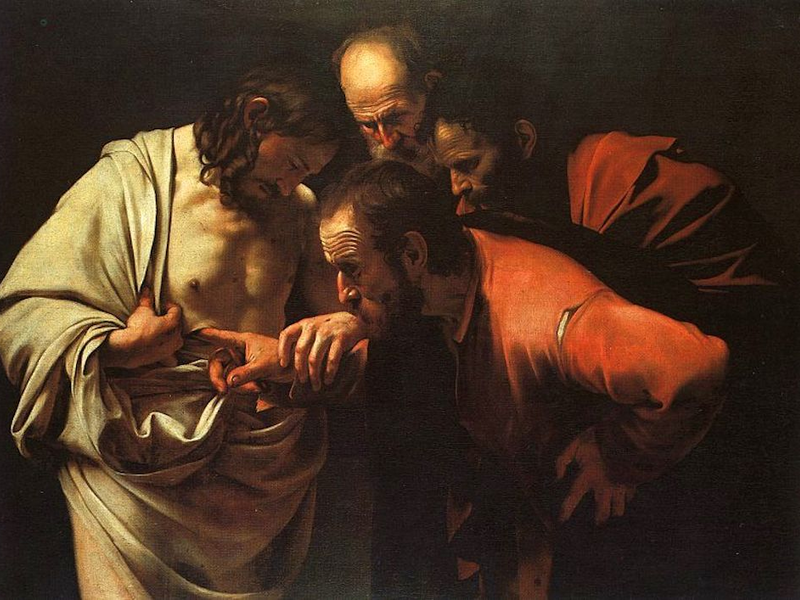
doubting-thomas
John

Thomas and Us

An octave is a repetition, a repetition with a difference. It’s not the first note played again , but the first note played at a higher pitch. Octaves have always marked new beginnings. Hebrew boys were circumcised on the eighth day. Firstborn sheep were dedicated to Yahweh on the eighth…

by Peter LeithartApril 21, 2017
sky-from-bridge
Church Calendar

Resurrection: The Best and Worst News

We say Jesus’ resurrection is good news. It wasn’t good news for the disciples on the first Easter. More like perplexing, bewildering news. For others, it wasn’t perplexing, and it certainly wasn’t good. It was plain old bad news. Early in Luke’s gospel, Herod is terrified that Jesus might be…

by Peter LeithartApril 20, 2017

Showing page 113 of 309

See all
See all
Science

Devil’s Delusion

Of all the people I’ve seen on film recently, the one I’d most want to be is David Berlinski, whom Ben Stein interviewed extensively in his Paris apartment that reeked with sophistication and culture. Berklinski, by his own definition a “secular Jew” with no memory of Hebrew, has just published…

May 21, 2008

Obama’s subtexts

In an intriguing piece in TNR , writer Cinque Henderson - who identifies himself as one of the few remaining Clinton supporters among African-Americans - explains Obama’s use of “hoodwinked” and “bamboozled” (not the first words to spring to Obama’s lips, one would think) in the South Carolina primary: “It…

May 21, 2008
Philosophy

Flat souls

Kristeva says that contemporary culture separates affects from language, which leads to a loss of soul. Souls are empty. To help, our culture offers drugs and entertainment. Drugs flatten experience to a drone; entertainment dazzles momentarily with two-dimensional images. So do our solutions increase the problem. Flat remedies for flat…

May 20, 2008

Body/Language

Kristeva’s distinction of semiotic and symbolic is intended to overcome the dualism of traditional linguistic theories, the dualism of body and language, or matter and language. For Kristeva, the “semiotic” is the way drives are organized or “discharged” in language, and thus includes everything that is meaningful in language but…

May 20, 2008

Langue without speakers

Julia Kristeva notes that Saussure’s linguistic theory permits “linguistics to claim a logical, mathematical formalization on the one hand, but on the other, it definitely prevents reducing a language or text to one law or one meaning.” This latter point is true because by splitting the sign into signified and…

May 20, 2008

Limits of Dialectic

Desmond thinks that dialectic makes some gains: It affirms the “complex sense of unity,” appreciates mediation, critiques dualism, defends the “interplay and community of immanence and transcendence.” But dialectic cannot be the final moment of metaphysics. Why? “The problem is that if we privilege self-mediation and erect this into the…

May 20, 2008

Showing page 1516 of 2212

Browse by Category

In Medias Res

Your weekly digest for all things Theopolis.

Donate

Theopolis is nearly 100% donor-supported. Consider joining us on our mission.