Theopolis Logo

Writing

Explore our collection of theological essays, biblical studies, and reflections on faith and culture.

See all
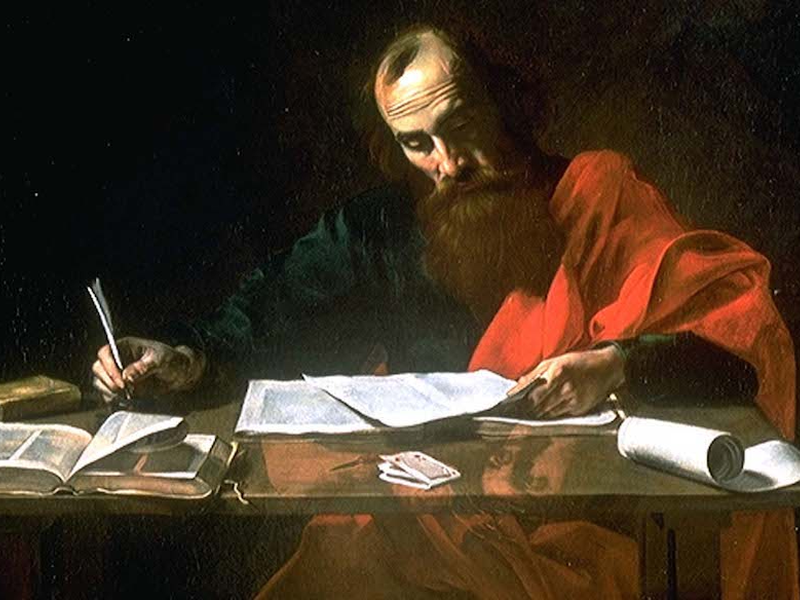
paul-2
Romans

Notes on Scary Stuff in Romans 9

What shall we say then? Is there injustice on God’s part? By no means! For he says to Moses, “I will have mercy on whom I have mercy, and I will have compassion on whom I have compassion.” So then it depends not on human will or exertion, but on…

by Mark HorneFebruary 5, 2015
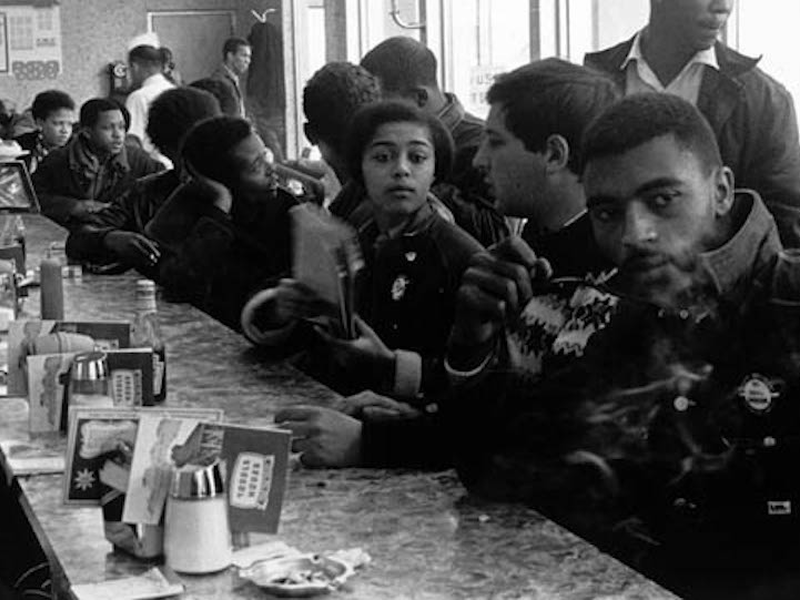
lunch-counter
American Politics

Covenants of Exclusion

A hundred years ago, William Warley signed a contract to buy a house in Louisville, Kentucky from Charles Buchanan, a white man. Before closing the sale, Warley, who was black, learned that the lot was subject to a city ordinance barring blacks from occupying the premises if most of the…

by Brendan O'DonnellFebruary 3, 2015
shakespeare-2
Literature

The Bard and the Book

I concluded the first essay on this topic by saying that I would introduce three books about Shakespeare and the Bible, but I decided to introduce four instead. The three books become four are: Naseeb Shaheen, Biblical References in Shakespeare’s Plays (London: Associated University Presses, 1999) ; Hannibal Hamlin, The…

by Ralph Allan SmithJanuary 29, 2015
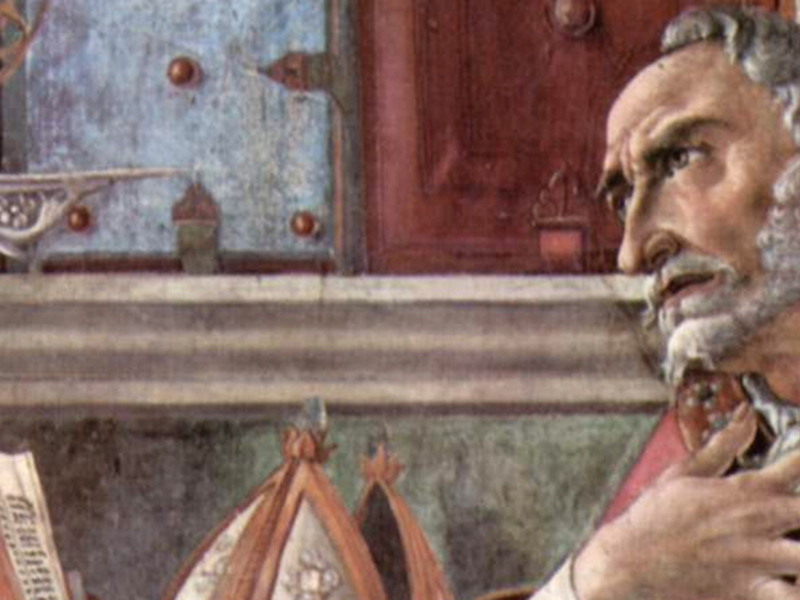
augustine-2
Augustine

Augustine on Pagan Virtue

My children attend a classical Christian school, situated in the independent “free church” evangelical tradition. Over the past few years they have been growing in their acquaintance with the world of Homer, Plato, Virgil, and Livy. They enjoy it, and I envy it. The school is a great school. My…

by Gerald HiestandJanuary 27, 2015
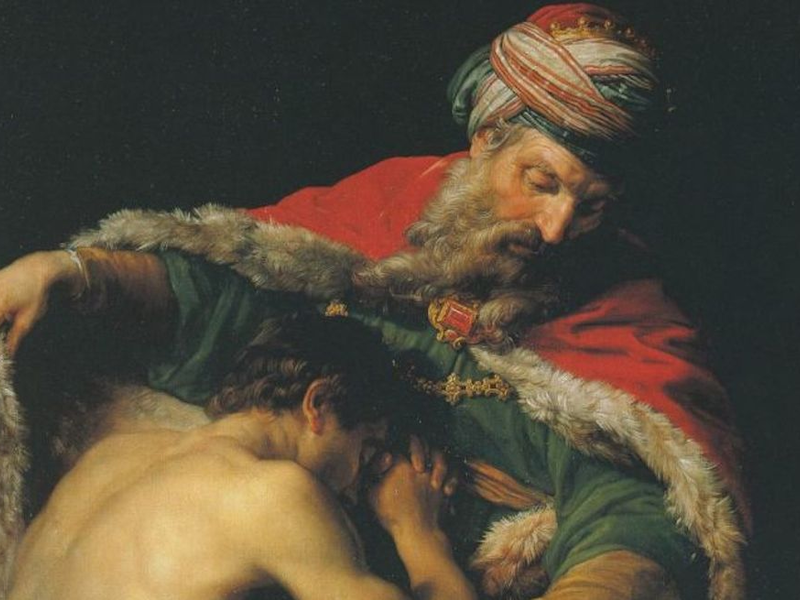
prodigal-son
Atonement

The Prodigal and the Cross

The Prodigal Son parable (Luke 15) has been a favorite of liberal theologians for a couple of centuries. It seems to be a parable designed for liberal sensibilities: An indulgent, accepting Father; forgiveness extended without a cross; a surly older brother who might represent the "conservative" face of religion who…

by Peter LeithartJanuary 22, 2015
sky-from-bridge
Ascension

Underground Man, Ascended Man

“I want now to tell you, gentlemen, whether you care to hear it or not, why I could not even become an insect. I tell you solemnly, that I have many times tried to become an insect. But I was not equal even to that. I swear, gentlemen, that to…

by Richard BledsoeJanuary 20, 2015

Showing page 161 of 309

See all
See all
Philosophy

Idiocy

Desmond offers an intriguing argument for a unified self, for an “idiotic” self in the original sense of idiotes , what is one’s own. There is an irreducible “mineness” to all our actions and experience, a mineness that cannot be reduced to categories or analyzed in terms of outside forces:…

May 14, 2008
Philosophy

Ontological Metaphor

Desmond takes another enthralling step. If “seeing is” may be “seeing is,” then metaphor might reveal being. “Metaphor may be a revelation of reality. Metapherein - the thing carries itself across to revelation, metaphorizes itself; this is its spread beyond univocal identity. In its self-metaphorizing, it reaches out to more,…

May 14, 2008
Philosophy

Definiteness and dynamism

It might seem that saying things have determinate qualities undermines their dynamism, while emphasizing things dynamism of things fuzzies all the boundaries to the point where there are no things at all. Desmond, again, demurs. We cannot have a pure flux without any determinacy, because then “there would be no…

May 14, 2008
Philosophy

Diminished things

Modern thought is often materialist. Whatever happens to spirit in such an outlook, at least we’ve got things left. Right? Not so, argues William Desmond ( Being and the Between ) . The doctrine of primary and secondary qualities, he says, is a “classic bifurcation of thinghood into two extremes…

May 14, 2008
Philosophy

More on Identities

As I noted a few weeks ago, Nobel Laureate Amartya Sen points out that everyone has multiple identities, and that these identities slip into the foreground and background in different settings. At a family reunion, our family identity is prominent. At a political rally, family identity recedes as we join…

May 14, 2008

Limited historicism

In separating philosophy and theology, Spinoza mounts a kind of historicist critique of the Bible; its authors are bound by the assumptions of their time and culture. Besides that, the Bible and philosophy are completely different in method and style; the Bible is narrative, and its truth depends on the…

May 13, 2008

Showing page 1519 of 2212

Browse by Category

In Medias Res

Your weekly digest for all things Theopolis.

Donate

Theopolis is nearly 100% donor-supported. Consider joining us on our mission.