Theopolis Logo

Writing

Explore our collection of theological essays, biblical studies, and reflections on faith and culture.

See all
or
Abortion

Political Hermeneutics: The Argument From Silence, Part 2

Click HERE for part 1. III This leads to a further question. I have argued that silence cannot by itself establish a Scriptural principle, but does Scripture’s silence carry any weight in itself? Does the fact that something is unbiblical in a weak sense tell us anything at all? In…

by Peter LeithartMarch 13, 1990

hebrew-manuscript-6
Biblical Chronology

Groping Through the Gaps

Although nowadays gap theories are associated with dispensationalism, it was not always so. In the nineteenth century, scholars from a variety of backgrounds (Anglican, Reformed, and proto-fundamentalist) seem to have become fascinated by gaps. If you are not familiar with what I am talking about, this newsletter will acquaint you…

by James B. JordanFebruary 26, 1990
or
Abortion

Political Hermeneutics: The Argument from Silence, Part 1

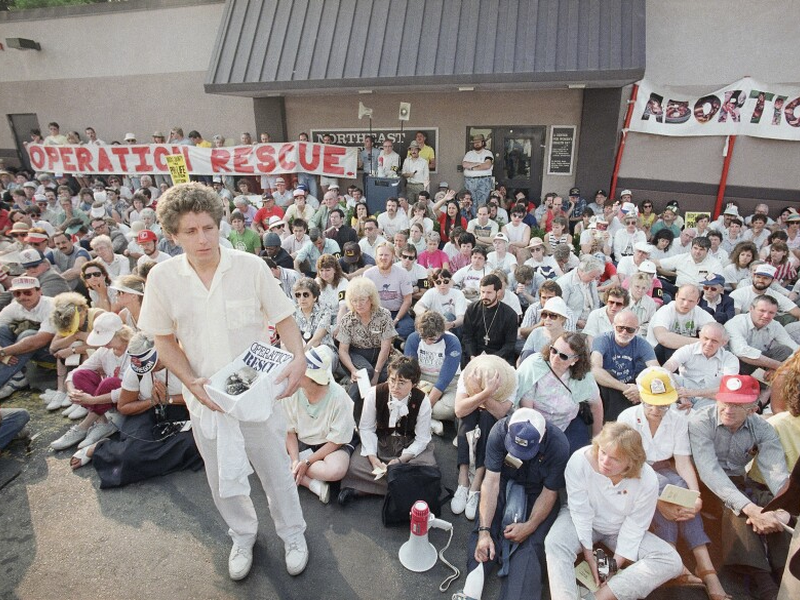
If the debate over Operation Rescue has proven anything, it has proven that there is absolutely no consensus among evangelicals in general, or among "reconstructionists" in particular, about how to use the Bible to judge political actions and movements. Each side of the debate claims biblical authority for its position,…

by Peter LeithartFebruary 13, 1990
49980-nicolas_poussin_-_the_judgment_of_solomon_-_wga18330-800w-tn
Biblical Studies

Advice From a Sojourner, Part 4

Two things I asked of Thee, Do not refuse me before I die: Keep deception and words of falsehood far from me, Give me neither poverty nor riches, Feed me with the food that it my portion, Lest I be full and deny Thee, And say, "Who is the LORD?"…

by James B. JordanFebruary 2, 1990
image-2
Biblical Horizons

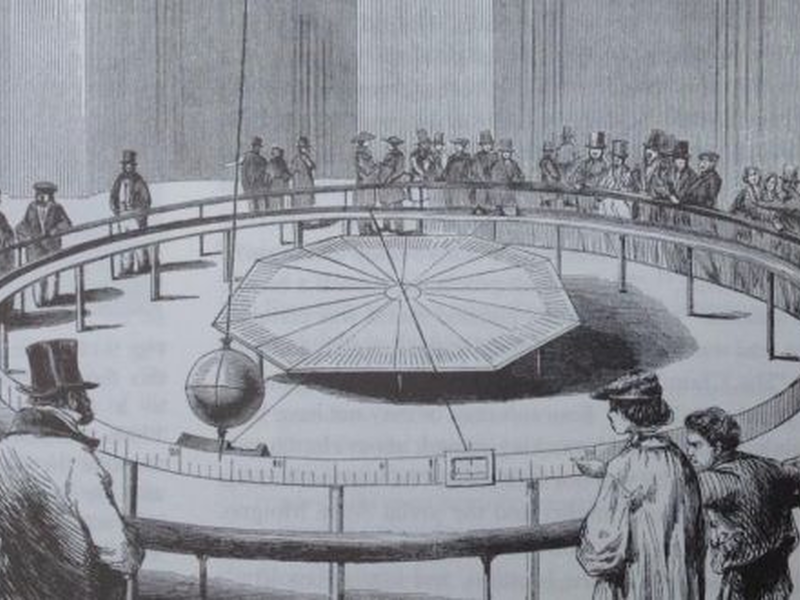
Foucault’s Pendulum

Umberto Eco’s "The Name of the Rose" was certainly one of the best literary works of the past decade, though the film version hardly measured up to it. Now Eco has given us a new novel, "Foucault’s Pendulum." Like Rose, Foucault’s Pendulum reflects on the limitations of human knowledge, and…

by James B. JordanJanuary 26, 1990
tanner-mardis-xuxghzhibn4-unsplash-1-2
Biblical Studies

What Is “Interpretive Maximalism”?

From time to time people ask me about "interpretive maximalism." They want to know what it is, and sometimes want to know if it represents some departure from the Reformed grammatico-historical, Biblico-theological approach to the Bible. I have something of a problem with these questions, because "interpretive maximalism" is not…

by James B. JordanJanuary 26, 1990

Showing page 305 of 309

See all
See all
History

Where was Augustine?

The Reformed Orthodox were entirely correct to discern a fundamental threat and challenge in the spread of Cartesianism, especially as regards the relation of philosophy and theology. But it’s hard to read about their responses without sadness. “Whatever reason brings out of its stinking heaps must be subordinate to the…

April 23, 2008
History

Descartes, Pro and Contra

On the one hand: Method is a discipleship - a “following after.” And the Cartesian methodus is in conflict with the “following after” demanded of a Christian disciple. Here, Descartes offers a different way, a different truth and life. The Christian “method” of knowledge and wisdom is discipleship, not doubt…

April 23, 2008
History

Cartesian critique

Bizer again, on Melchior Leydekker’s summary of the Cartesian critique of Reformed orthodoxy: “The Cartesians reproach the orthodox to the effect that their theology is not scriptural, that they have re-introduced Catholic scholasticism into the Church; that they hinder every advance in knowledge and their work does not have scientific…

April 23, 2008

Lutherans at bay

At several points, Bizer notes that the Reformed orthodox critics of Cartesian philosophy and its application to theology formulated their arguments to buttress their opposition to Lutheran ideas of the real presence. Peter van Mastricht “resists the proposition that God could do something contradictory; one of the reasons for this…

April 23, 2008
History

Orthodoxy’s failure

Reformed Orthodoxy failed to stop the spread of Cartesian philosophy, despite vigorous efforts. Why? Bizer suggests that the orthodox critique often adopted much of what it criticized. In Martin Schoock’s notorious response to Descartes, “there is no word . . . about the fact that the Cartesian proof of God…

April 23, 2008
History

Cocceian-Cartesians

Johannes Cocceius, a father of biblical theology, would seem to have little in common with Cartesian rationalism. But most of the Cocceians in the latter part of the 17th century were Cartesians. Ernest Bizer (in an article entitled “Reformed Orthodoxy and Cartesianism”) suggests that there was an affinity between the…

April 23, 2008

Showing page 1528 of 2212

Browse by Category

In Medias Res

Your weekly digest for all things Theopolis.

Donate

Theopolis is nearly 100% donor-supported. Consider joining us on our mission.