Theopolis Logo

Writing

Explore our collection of theological essays, biblical studies, and reflections on faith and culture.

See all
evangelists
Matthew

Dating Matthew, (Part 1)

When might the Gospel according to Matthew have been written? Of course, any answer can only be speculation, but that does not mean we are reduced to groundless opinion. In this series of articles I point the way to an approach different from the general consensus among scholars today which…

by Ralph Allan SmithNovember 22, 2016
hebrew-manuscript-3
Hermeneutics

Synopticity, (Part 2)

In my first essay on “synopticity” I offered a rather rough definition of the phenomenon and important, though not exhaustive examples. In this essay, I want to introduce broader aspects of the phenomenon of “synopticity.” The first example that I have in mind is conventional stories, stories of different historical…

by Ralph Allan SmithNovember 17, 2016
screen-shot-2016-03-31-at-9-32-11-am
Ascension

Brexit and the Binding of Satan, Part 4

Since the judgment of Babel was followed by the initiation of the circumcision, the impending end of the circumcision in AD70 explains the significance of the first century miracle of foreign tongues. Except for a few Aramaic “teasers” in the book of Daniel, the Word of God was monolingual and…

by Mike BullNovember 15, 2016
four-evangelists
Hermeneutics

Synopticity, (Part 1)

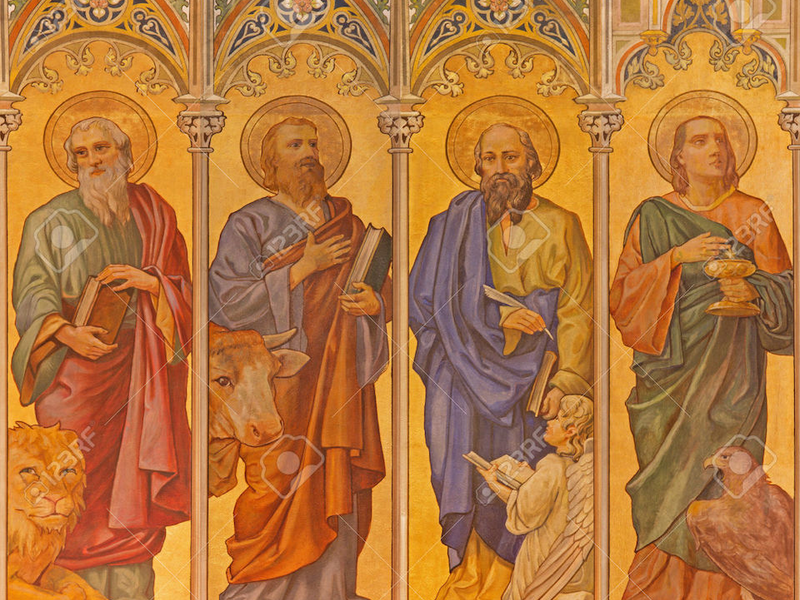
To the best of my knowledge “synopticity” is not a word used in theology or Biblical studies, but it seems an appropriate word to describe the kind of phenomena associated with the Synoptic Gospels, Matthew, Mark, and Luke. These three Gospels tell essentially the same story with significant — sometimes…

by Ralph Allan SmithNovember 10, 2016
laughing_statue_by_xxbobbiie-d5f0meh-2
Humor

Learning to Laugh

Humor is a funny thing. It is altogether familiar yet also mysterious. What makes us laugh? Why do we find things funny? There are academic fields of study dedicated to discovering what makes things humorous. These academicians even have a journal entitled International Journal of Humor Research . No joke.…

by Bill SmithNovember 8, 2016
chaucer
Literature

Flawed Means of Grace: Liturgy in The Pardoner's Tale

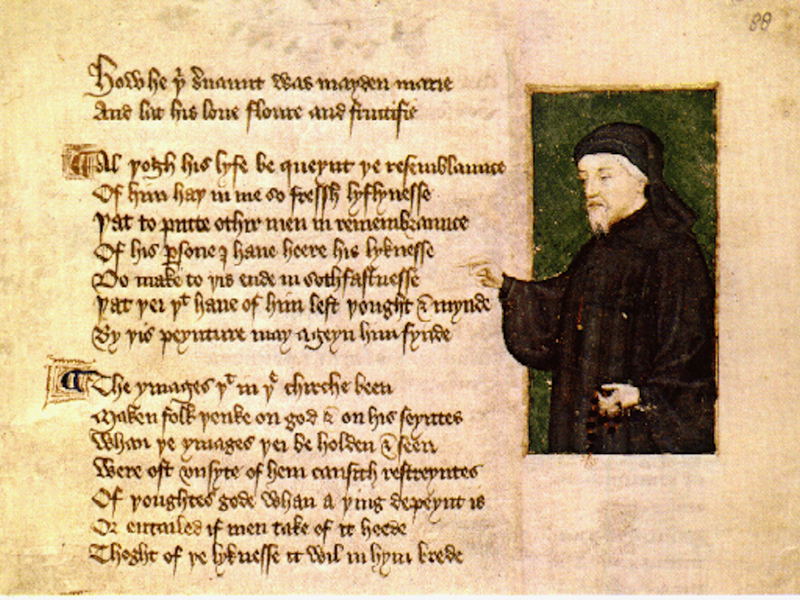
Out of all the characters in Geoffrey Chaucer’s The Canterbury Tales , the Pardoner has been called the “one lost soul.” The pious Parson, who closes out the collection of tales with a sermon on the seven deadly sins and how a sinner can absolve himself of them, connects the…

by Christian LeithartNovember 3, 2016

Showing page 122 of 309

See all
See all
Theology

Exhortation, First Sunday of Lent

After His baptism, Jesus went into the wilderness to fast and to be tempted by the devil for forty days and nights. The first temptation concerned food. Jesus was the new Adam, facing a food test not in a garden but in the wilderness. Jesus was the new Israel, hungering…

February 10, 2008
Politics

Classy exit

Mitt Romney bowed out before he embarrassed himself with further losses. He had no chance, and his exit is a bow to the inevitable. But give him his due: While Clinton and Obama spend millions fighting each other over the next few months, Romney has given McCain time to raise…

February 8, 2008

Covenant kin

In a recent article on Ruth 1:16-17 in CBQ , Mark Smith comments on the relation between covenantal and familial terminology in Ruth and elsewhere. Even when covenants have political dimensions, as in international treaties, they are fundamentally mechanisms for extending kin ties beyond immediate blood relations. Smith writes: “A…

February 7, 2008

Ends and Beginnings

Ruth begins with death - the death of the land in famine, the death of exile, the death of Elimelech, the death of Naomi’s sons, the death of Naomi’s future. Naomi goes out full, and comes back empty. Ruth 1 is a perfect tragic story, a story of endings and…

February 7, 2008
Literature

Hazlitt’s Helena

Hazlitt defends Helena’s ( All’s Well ) virtue in a gentlemanlike way: “The character of Helen is one of great sweetness and delicacy. She is placed in circumstances of the most critical kind and has to court her husband both as a virgin and a wife: yet the most scrupulous…

February 7, 2008

Politics of brotherhood

Abimelech gains the support of the Shechemites by emphasizing his kinship through his mother - “I am your bone and your flesh” (Judges 9:2). The Shechemites resonate to the rhetoric: “He is our brother,” they say (9:3). It’s not a stable partnership. Kinship isn’t a sound foundation for kingship, at…

February 7, 2008

Showing page 1571 of 2212

Browse by Category

In Medias Res

Your weekly digest for all things Theopolis.

Donate

Theopolis is nearly 100% donor-supported. Consider joining us on our mission.